
Blue Zones: The World’s Longevity Hotspots
Blue Zones are regions of the world where people live measurably longer, healthier lives. Dan Buettner's research identified five key locations: Ikaria (Greece), Okinawa (Japan), Sardinia (Italy), Loma Linda (California), and Nicoya (Costa Rica). What’s fascinating is not just that people reach impressive ages, but how well they age – remaining active and engaged into their 90s and beyond.
These diverse locations share commonalities beyond diet. Consistent, moderate physical activity woven into daily life is essential. Strong social connections and a sense of purpose are also recurring themes. They prioritize family and community involvement. Movement is built into their routines through walking, gardening, and manual labor, rather than dedicated gym time.
Researchers study these areas to understand their longevity secrets. The focus is on identifying a constellation of lifestyle factors that promote health and well-being, rather than a single solution. The goal is to extract principles that can be adapted to other lives, understanding what makes these populations resilient.
The concept of Blue Zones is gaining traction as people seek to improve their healthspan – the number of years lived in good health. This shifts focus from lifespan (how long you live) to healthspan (how well you live those years). The 'longevity diet' draws heavily from the eating patterns observed in these regions.
The 2026 Shift: Why Now for Blue Zone Diets?
There's a noticeable surge in interest in preventative health and longevity. The pandemic prompted people to confront their mortality and think more seriously about their health, increasing awareness around immune function, chronic disease risk, and the importance of a healthy lifestyle. That awareness has persisted.
Rising healthcare costs are a major driver. People realize investing in health now is more cost-effective than dealing with chronic illnesses later. A CNBC article on healthier eating highlights this shift, with consumers prioritizing foods that support long-term health, seeking functional foods, ingredients with specific health benefits, and sustainable eating patterns.
Personalized nutrition is becoming more accessible. Advances in genetic testing, microbiome analysis, and wearable technology allow individuals to tailor diets to their specific needs. It's no longer a one-size-fits-all approach; it's about understanding unique biology and optimizing nutrition accordingly.
This is a fundamental shift in how we think about health and aging. People actively seek strategies to live longer and better. The Blue Zone diet, with its emphasis on whole foods and lifestyle factors, offers a roadmap for achieving that goal.
Plant Slant: The Core of Blue Zone Eating
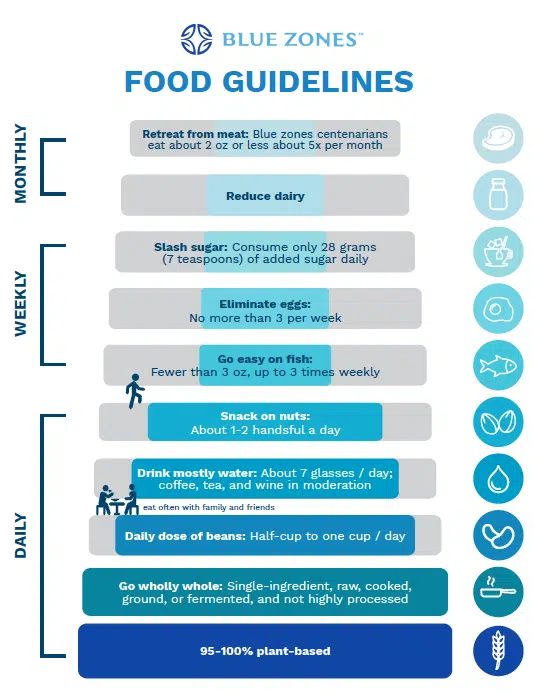
A consistent thread running through all Blue Zones is a strong emphasis on plant-based foods. Vegetables, fruits, whole grains, and legumes form the foundation of the diet. It's not necessarily about being strictly vegetarian or vegan, but about making plants the primary component of meals.
Legumes – beans, lentils, peas, chickpeas – are particularly important. They are packed with protein, fiber, and complex carbohydrates and are beneficial for gut health, promoting a diverse microbiome. In Okinawa, soybeans are a staple, consumed as tofu and miso. In Mediterranean Blue Zones, lentils and chickpeas are featured in soups, stews, and salads.
Meat consumption is generally limited in Blue Zones. People occasionally enjoy small portions of meat, often reserved for special occasions. When meat is eaten, it’s typically pasture-raised and sustainably sourced, with an emphasis on quality over quantity.
Locally sourced, seasonal produce is also key. People in Blue Zones eat what’s grown in their region, ensuring freshness and maximizing nutrient content. This supports local farmers and reduces the environmental impact of food transportation.
- Beans: Kidney beans, black beans, pinto beans
- Lentils: Red lentils, green lentils, brown lentils
- Chickpeas: Garbanzo beans
- Peas: Green peas, split peas
Protein Source Comparison: Typical American Diet vs. Blue Zones
| Protein Source | Approximate % of Daily Protein (American Diet) | Approximate % of Daily Protein (Blue Zones) | Notes |
|---|---|---|---|
| Beef | 35-40% | Less than 5% | Often processed in American diets; minimal consumption in Blue Zones. |
| Poultry (Chicken, Turkey) | 20-25% | 5-10% | Common in American diets; eaten in moderation in some Blue Zones, often as part of celebrations. |
| Pork | 10-15% | Less than 5% | Significant component of American protein intake; rarely consumed in Blue Zones. |
| Fish | 5-10% | 10-20% | Moderate consumption in American diets; frequently consumed in coastal Blue Zones (like Okinawa and Ikaria). |
| Beans & Lentils | 5-10% | 20-30% | Under-consumed in typical American diets; a cornerstone of protein intake in all Blue Zones. |
| Nuts & Seeds | 2-5% | 10-15% | Increasingly popular in American diets, but still lower than Blue Zone intake; consistently consumed in Blue Zones. |
| Dairy | 5-10% | 0-5% | Significant source of protein in American diets; limited dairy consumption in most Blue Zones, with some exceptions (e.g., Greek yogurt in Ikaria). |
| Tofu/Soy Products | 1-3% | 5-10% | Growing in American diets, but still relatively low; a common protein source in some Blue Zones, particularly Okinawa. |
Illustrative comparison based on the article research brief. Verify current pricing, limits, and product details in the official docs before relying on it.
Beyond Plants: Key Dietary Components
While plants take center stage, other dietary elements play a role in Blue Zone eating patterns. Whole grains, particularly those minimally processed, are common. In Sardinia, they traditionally consume pane carasau, a thin, crispy flatbread made from whole wheat. In Okinawa, sweet potatoes are a staple carbohydrate source.
Nuts and seeds are another source of healthy fats, protein, and fiber. Almonds, walnuts, and flaxseeds are frequently consumed in Blue Zones, eaten as snacks or added to meals. Portion sizes should be kept in check as they are calorie-dense.
Olive oil, especially extra virgin olive oil, is a cornerstone of Mediterranean Blue Zone diets. It is rich in monounsaturated fats and antioxidants, offering health benefits. It is used generously in cooking and as a salad dressing. Research supports the cardiovascular benefits of olive oil.
Fermented foods, like yogurt, kefir, sauerkraut, and kimchi, are common in Blue Zones. These foods are rich in probiotics, supporting gut health and immune function. Moderate alcohol consumption, particularly red wine with meals, is observed in some Blue Zones (Sardinia, Ikaria) and has been linked to cardiovascular benefits
Fasting & Calorie Restriction: Valter Longo’s Insights
Professor Valter Longo's research on fasting and the longevity diet is really groundbreaking. As highlighted at the Health & Longevity Summit 2026 on Facebook, his work suggests that periodic fasting can have profound effects on cellular health and lifespan. He’s not advocating for starvation, but for a carefully structured approach to eating patterns.
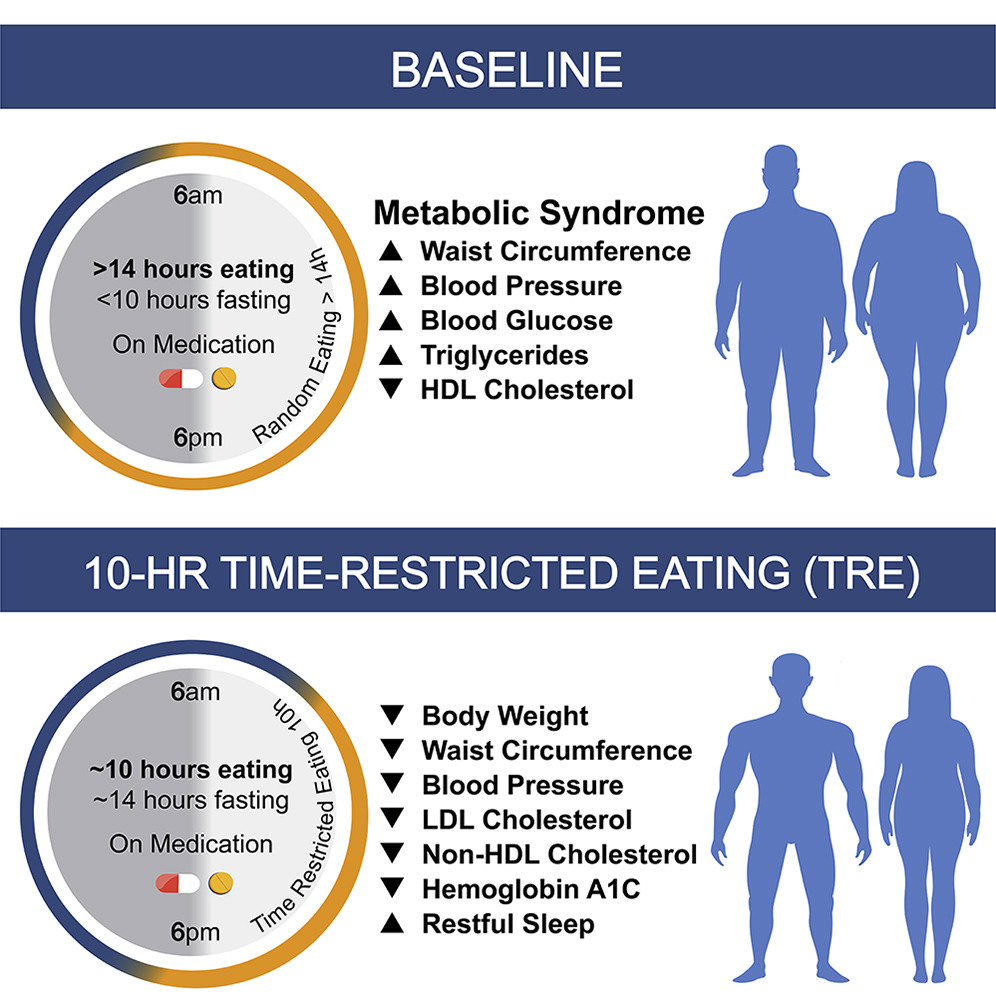
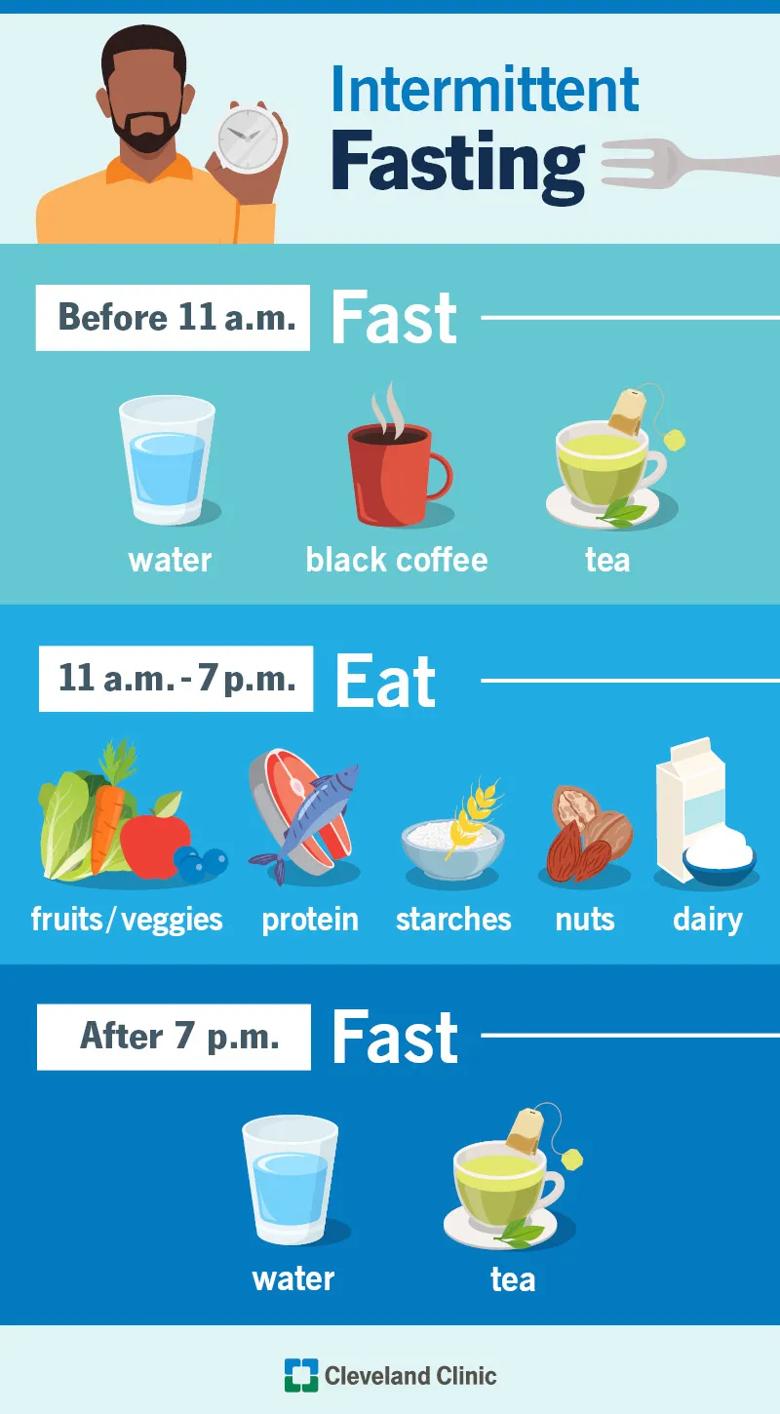
The principles of time-restricted eating (TRE) involve limiting your eating window to a specific number of hours each day. For example, eating all your meals within an 8-10 hour window. This gives your body a longer period of rest and allows it to focus on cellular repair and regeneration. Longo’s research suggests that a 16:8 TRE pattern (16 hours of fasting, 8 hours of eating) can be particularly beneficial.
Periodic fasting, such as the Fasting Mimicking Diet (FMD) developed by Longo, involves consuming a specific, low-calorie diet for 5 days out of the month. This diet is designed to mimic the effects of complete fasting while still providing some nutrients. It’s thought to trigger autophagy, a cellular process that removes damaged cells and promotes the growth of new, healthy cells.
It’s important to note that these practices aren’t for everyone. They may not be suitable for pregnant or breastfeeding women, people with certain medical conditions, or those with a history of eating disorders. It’s crucial to consult with a healthcare professional before making significant changes to your diet or starting a fasting regimen. I'm not sure about the long-term effects of drastic dietary changes, so caution is always best.
- Time-Restricted Eating (TRE): Limit eating to 8-10 hours per day
- Fasting Mimicking Diet (FMD): Low-calorie diet for 5 days per month
- Periodic Fasting: Alternate day fasting or extended water fasts (under medical supervision)
The Social Side: Eating with Purpose
Beyond the what of the Blue Zone diet, the how is equally important. In all these regions, food isn’t just fuel; it’s a central part of social life. Meals are typically shared with family and friends, creating a sense of connection and community. I think this is a really important, often overlooked aspect.
Sharing meals promotes mindful eating. When you’re enjoying a meal with others, you’re more likely to slow down, savor your food, and pay attention to your body’s hunger and fullness cues. It also reduces stress, as social interaction releases endorphins and promotes a sense of well-being.
Food is often tied to cultural traditions and celebrations in Blue Zones. Cooking and sharing meals are acts of love and care. It’s a way of passing down knowledge and preserving cultural heritage. This sense of purpose and connection contributes to overall health and longevity.
- Mindful eating: Savoring food and paying attention to hunger cues
- Social connection: Sharing meals with family and friends
- Cultural traditions: Food as a celebration of heritage
How often do you eat meals with family or friends?
Vote below, then share why you chose your answer in the comments. Your perspective can help others think about how social meals may support long-term health habits.
Adapting Blue Zone Principles for Americans in 2026
Implementing Blue Zone eating patterns in a modern American context can be challenging, but it’s certainly achievable. One of the biggest hurdles is increasing legume intake. Most Americans don’t eat nearly enough beans, lentils, and peas. Start small – add a can of beans to your salad or soup, or try a lentil-based pasta sauce.
Incorporating more whole grains is another important step. Swap refined grains (white bread, white rice) for whole grains (whole wheat bread, brown rice, quinoa). Experiment with different grains to find ones you enjoy. Sourdough bread, with its fermentation process, can be a good option, as it may be easier to digest.
Reducing processed food consumption is crucial. Focus on eating whole, unprocessed foods as much as possible. Read food labels carefully and avoid foods with long lists of artificial ingredients. Cooking at home is the best way to control what you’re eating.
Mindful eating is also key. Put away your phone and turn off the TV during meals. Focus on savoring your food and connecting with the people you’re sharing it with. Creating a supportive food environment – stocking your kitchen with healthy options and limiting access to unhealthy ones – can also make a big difference.
Extreme Health USA offers a wealth of resources to help you on your journey, including healthy recipes, meal planning guides, and tips for mindful eating. Small changes can add up over time, so don’t get discouraged if you don’t see results immediately. Consistency is key.
Potential Pitfalls & Individual Needs
It’s crucial to remember that the Blue Zone diet isn’t a one-size-fits-all solution. While it offers a valuable framework, individual needs and circumstances vary. Strict adherence to a plant-based diet without proper planning can lead to nutrient deficiencies, particularly vitamin B12, iron, and omega-3 fatty acids.
Personalized nutrition is becoming increasingly important. Factors like genetics, microbiome composition, and lifestyle all influence how we respond to different foods. What works well for one person may not work as well for another. Advances in testing can help you understand your unique nutritional needs.
Before making significant dietary changes, it’s always best to consult with a healthcare professional, such as a registered dietitian or physician. They can help you assess your individual needs, identify any potential risks, and develop a personalized plan that’s right for you. I'm not sure about the long-term effects of drastically changing a diet, so caution is important, and professional guidance is valuable.
Listen to your body and pay attention to how you feel. If you experience any adverse effects, such as digestive issues or fatigue, adjust your diet accordingly. The goal is to find a sustainable eating pattern that supports your health and well-being for the long term.

No comments yet. Be the first to share your thoughts!