
Metabolic Flexibility: The New Baseline?
Diet advice has long focused on restricting food groups. But the real issue might not be what we eat, but how our bodies use it. Metabolic flexibility is the body's ability to switch between burning carbs and fats for fuel.
Think of it like a hybrid car. A flexible metabolism runs on carbs (gasoline) or fat (electricity). Poor flexibility means relying heavily on sugar. This impacts weight, energy, and disease resistance. It's a key adaptation for today's food environment.
This isn't a restrictive diet; it's about training your metabolism. Constant carb availability has led our bodies to adapt. Research from the National Institutes of Health (pmc.ncbi.nlm.nih.gov) shows metabolic flexibility is a key adaptation to energy needs. It's a natural ability we can regain.
Humans evolved with feast and famine cycles, storing energy when food was plentiful and burning fat when scarce. Today, constant carb availability leads to metabolic inflexibility. Our physiology hasn't fully adapted to this recent shift.

The Science of Switching Fuel Sources
Metabolic flexibility relies on efficiently using glucose (from carbs) and fatty acids (from fats). Glucose provides quick energy, while fats offer sustained energy and support hormone production. The key is the switch between them.
Insulin sensitivity is central. Carbs trigger insulin release to move glucose into cells. Constant carb intake can lead to insulin resistance, where cells need more insulin for the same glucose. This hinders access to stored energy.
Mitochondria, the cell's 'powerhouses,' convert fuel to energy. Healthy mitochondria burn both glucose and fat efficiently. Increased activity and a nutrient-rich diet appear to improve their function, leading to better energy conversion.
Cortisol also plays a role. Chronic stress raises cortisol, contributing to insulin resistance and impairing metabolic flexibility. The body prioritizes glucose for stress, hindering fat burning. Understanding these systems is key to metabolic health.
Signs Your Metabolism Isn’t Flexible
Metabolic inflexibility often goes unnoticed. Weight gain can be a symptom, but lean individuals can also experience it. Energy crashes after meals, especially carb-heavy ones, are a common sign.
Difficulty losing weight despite dieting indicates inflexibility. If calorie restriction yields no results, your body might be stuck in 'sugar-burning' mode, unable to access stored fat. Constant cravings for sugar or processed foods signal a desperate need for quick energy.
Brain fog, poor concentration, and mood swings can link to metabolic inflexibility. Blood sugar fluctuations affect brain function. Relying on caffeine to cope worsens the issue. These signs can overlap with other conditions.
These symptoms aren't definitive diagnoses. If you experience several, discuss them with your doctor to rule out other issues. Recognizing these signs is the first step to improving metabolic health.
Building the 2026 Metabolic Flexibility Plan
The Metabolic Flexibility Plan retrains your metabolism through phases. Start by reducing processed foods and added sugars: ditch sugary drinks, refined carbs (white bread, pasta, pastries), and processed snacks. Focus on whole, unprocessed foods.
Introduce strategic carb cycling, adjusting intake based on activity. Eat more carbs on intense exercise days to replenish glycogen. On rest days, reduce carbs and focus on fats and protein. Listen to your body to find what works best.
Protein is crucial for muscle and satiety. Aim for at least 0.8g per kg of body weight, more if active. Healthy fats provide sustained energy and support hormones. Include avocados, olive oil, nuts, and fatty fish. Fat is a vital fuel source.
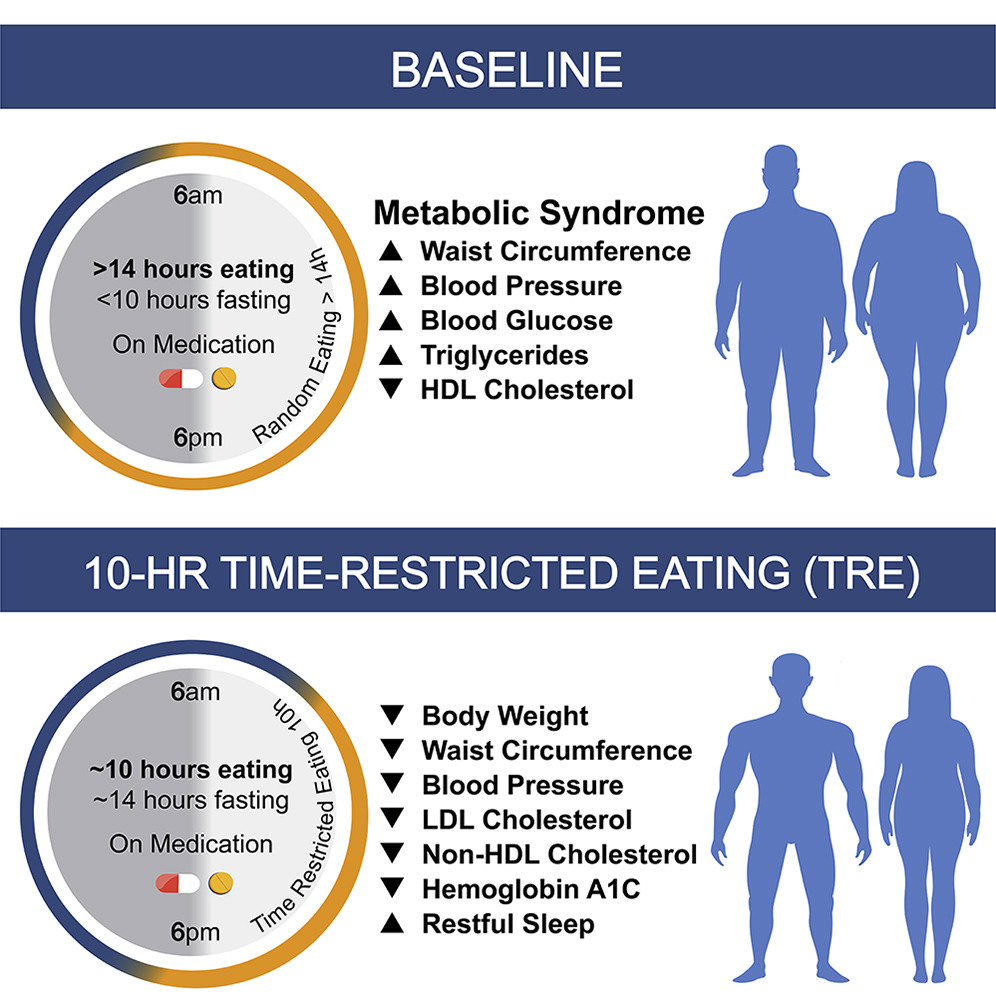
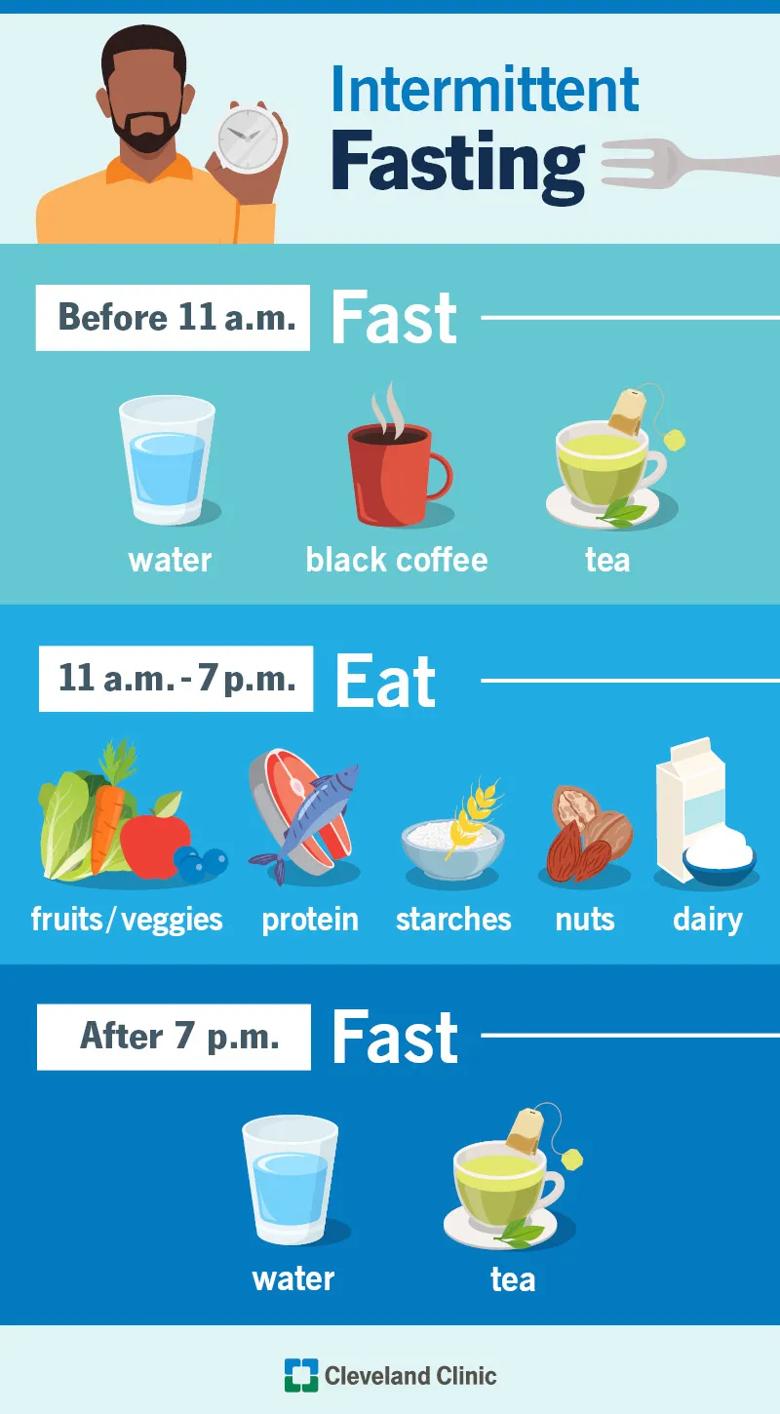
Meal timing matters. Consuming carbs around workouts maximizes glycogen replenishment and minimizes insulin resistance. Intermittent fasting can help some, but isn't for everyone. Start slowly and listen to your body if new to fasting. Avoid fasting if you have a history of eating disorders, are pregnant, or breastfeeding.
A 16/8 approach (eating within an 8-hour window, fasting for 16) can improve insulin sensitivity and fat burning. This isn't a universal solution. Start by reducing late-night snacking and gradually adopt a structured fasting schedule.
Carb Cycling Guidelines for Metabolic Flexibility
| Activity Level | Goal | Carb Intake | Dietary Focus |
|---|---|---|---|
| Low | Weight Loss | Low | Prioritize non-starchy vegetables, lean proteins, and healthy fats. Limit starchy carbohydrates and sugars. |
| Low | Maintenance | Moderate | Include moderate portions of complex carbohydrates like whole grains and fruits alongside protein and fats. |
| Low | Muscle Gain | Moderate | Slightly increase complex carbohydrate intake around workout times to support recovery and muscle protein synthesis. Maintain adequate protein intake. |
| Moderate | Weight Loss | Moderate | Balance complex carbohydrates with protein and fats. Focus on timing carbohydrate intake around periods of higher activity. |
| Moderate | Maintenance | High | Enjoy a wider variety of carbohydrates, including fruits, vegetables, and whole grains, while maintaining a balanced intake of protein and fats. |
| Moderate | Muscle Gain | High | Increase carbohydrate intake significantly, especially around workouts, to fuel performance and replenish glycogen stores. Prioritize complex carbohydrates. |
| High | Weight Loss | Moderate | Maintain a moderate carbohydrate intake, focusing on nutrient-dense sources to support energy expenditure during high activity levels. |
| High | Maintenance | High | Consume a high carbohydrate intake to meet energy demands. Choose complex carbohydrates for sustained energy and recovery. |
| High | Muscle Gain | High | Maximize carbohydrate intake, particularly around training, to optimize glycogen replenishment and muscle growth. Combine with sufficient protein. |
Illustrative comparison based on the article research brief. Verify current pricing, limits, and product details in the official docs before relying on it.
Foods That Support Metabolic Switching
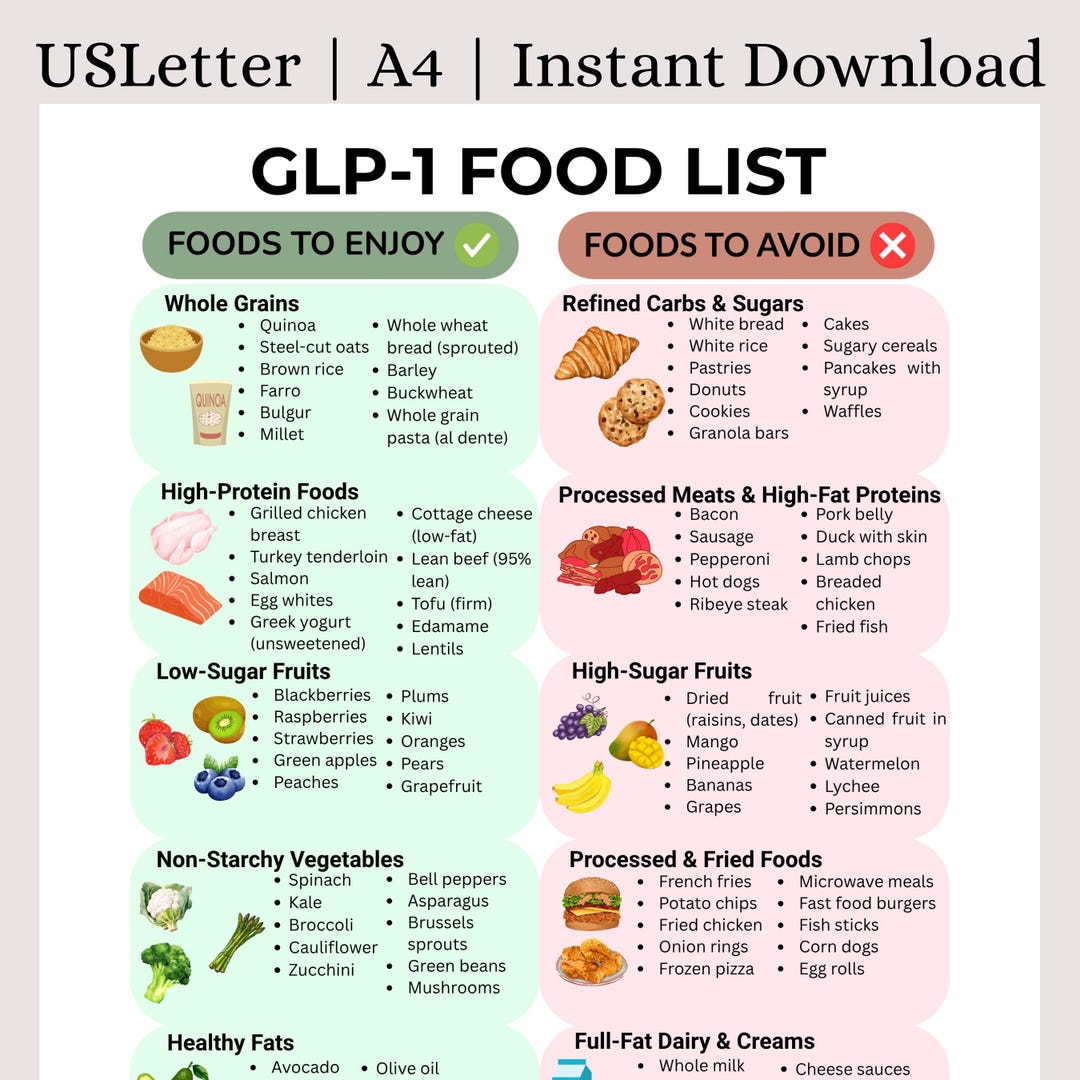
Choosing the right foods is key. Healthy fats like avocados, olive oil, nuts (almonds, walnuts), and seeds (chia, flax) provide sustained energy and support hormone production, helping your body burn fat efficiently. They are essential building blocks.
Lean proteins – fish (salmon, tuna), chicken, turkey, beans, lentils – are crucial for muscle maintenance and satiety. They help stabilize blood sugar levels and prevent cravings. Protein also has a higher thermic effect of food, meaning your body burns more calories digesting it.
Non-starchy vegetables – broccoli, spinach, cauliflower, kale, asparagus – are packed with nutrients and fiber, with minimal impact on blood sugar. They provide essential vitamins, minerals, and antioxidants that support overall health. Fill half your plate with these at every meal.
Complex carbohydrates – sweet potatoes, quinoa, oats – can be included in moderation, especially around workouts. They provide sustained energy and are a good source of fiber. Avoid refined carbohydrates like white bread, pasta, and sugary cereals. The key is portion control and timing.
Foods to limit or avoid include sugary drinks, processed foods, refined carbohydrates, and excessive amounts of unhealthy fats (trans fats, saturated fats). These foods contribute to insulin resistance and hinder metabolic flexibility. Focus on whole, unprocessed foods whenever possible.
Foods for Metabolic Flexibility
- Avocado - Rich in monounsaturated fats, avocados promote satiety and support healthy hormone production, crucial for metabolic processes.
- Salmon - A fantastic source of omega-3 fatty acids and high-quality protein, salmon helps improve insulin sensitivity and reduces inflammation.
- Spinach - Packed with vitamins, minerals, and fiber, spinach is a low-calorie, nutrient-dense vegetable that supports overall health and metabolic function.
- Sweet Potato - Provides complex carbohydrates and fiber, offering a sustained energy release and helping to stabilize blood sugar levels.
- Olive Oil - Primarily composed of monounsaturated fats, olive oil supports heart health and may improve insulin sensitivity when used in moderation.
- Chicken Breast - A lean protein source that helps preserve muscle mass, which is vital for maintaining a healthy metabolism. It's also low in saturated fat.
- Broccoli - A cruciferous vegetable high in fiber and antioxidants, broccoli supports detoxification pathways and overall metabolic health.
- Quinoa - A complete protein and complex carbohydrate source, quinoa provides essential amino acids and sustained energy without causing rapid blood sugar spikes.
Beyond Diet: Lifestyle Factors
Metabolic flexibility isn’t just about what you eat; it's a holistic approach to health. Sleep is often overlooked, but it’s crucial for hormone regulation and insulin sensitivity. Aim for 7-9 hours of quality sleep per night. Poor sleep disrupts cortisol levels and impairs metabolic function.
Stress management is equally important. Chronic stress elevates cortisol, which can lead to insulin resistance and weight gain. Find healthy ways to manage stress, such as yoga, meditation, or spending time in nature. Even short breaks throughout the day can make a difference.
Regular exercise is a cornerstone of metabolic flexibility. Different types of exercise have different benefits. HIIT (high-intensity interval training) can improve insulin sensitivity and mitochondrial function. Strength training builds muscle mass, which increases your metabolic rate. Low-intensity cardio improves cardiovascular health and fat burning.
Sunlight exposure plays a role in regulating circadian rhythms, which influence hormone production and metabolic function. Spend some time outdoors each day, especially in the morning. Vitamin D, obtained from sunlight, is also essential for overall health. It’s a surprisingly impactful element of the equation.
Troubleshooting and Long-Term Maintenance
You’ll likely encounter challenges. Plateaus are common. If you stop seeing results, reassess your diet and exercise routine. You may need to adjust your carb intake, increase your activity level, or try a different form of exercise. Don’t get discouraged; it’s a normal part of the process.
Cravings can be difficult to manage. Identify your triggers and find healthy alternatives. If you’re craving sugar, try a piece of fruit or a small handful of nuts. Social situations can also be challenging. Plan ahead and make healthy choices whenever possible. Don't be afraid to politely decline unhealthy options.
This is a journey, not a destination. It’s important to be patient with yourself and celebrate your progress. Adjust the plan over time based on your individual needs and progress. Listen to your body and make changes as needed. It’s okay to have setbacks; the key is to learn from them.
Long-term maintenance requires consistency and self-awareness. Continue to prioritize whole, unprocessed foods, manage stress, get enough sleep, and exercise regularly. Remember, metabolic flexibility is a skill that needs to be practiced. It's about building a sustainable lifestyle, not following a temporary diet.
What's your biggest challenge when trying to improve your metabolic flexibility?
Vote below! Your response will help us understand common obstacles and shape future evidence-backed content on building metabolic flexibility.

No comments yet. Be the first to share your thoughts!