The shift toward healthspan
Interest in extending not just lifespan, but healthspan – the years lived in good health – is surging. This isn’t a fleeting trend; it’s a fundamental shift in how we approach wellbeing. The FDA's 2026 Human Foods Program priorities demonstrate this, with increased focus on preventative health measures and nutritional science. It signals a growing recognition that food plays a powerful role in maintaining health as we age.
The term "anti-aging’ often feels misleading. We’re not trying to stop the inevitable, but to support our bodies’ natural processes and optimize function for as long as possible. This means focusing on nutrition that combats cellular damage, reduces inflammation, and supports overall resilience. It"s about adding years to your life, certainly, but even more importantly, adding life to those years.
For a long time, healthcare was reactive – treating illness after it occurred. Now, we’re seeing a move toward proactive health management. A cornerstone of this approach is a carefully considered diet, rich in foods with proven benefits for longevity. It's not about deprivation, but about making informed choices that nourish our bodies and protect against age-related decline. Extreme Health USA has been focused on this shift for years, and we’re excited to see the field gaining momentum.
The 15 Longevity Superfoods
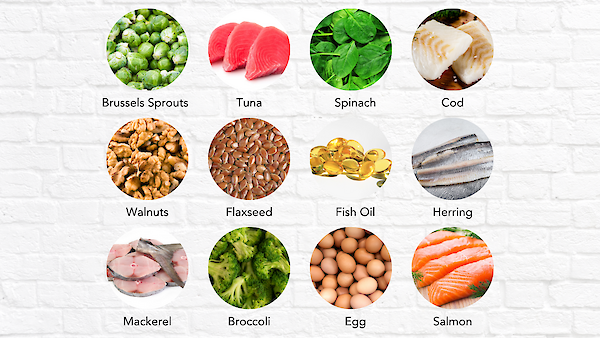
These aren’t miracle cures, but foods with a strong evidence base supporting their contribution to healthy aging. Accessibility in the US market was a key consideration in this selection. We’ll break down each food, its key nutrients, and the science behind its benefits.
Blueberries: Packed with anthocyanins, powerful antioxidants that protect against oxidative stress and inflammation. A 2025 study by researchers at Tufts University showed a correlation between regular blueberry consumption and improved cognitive function in older adults. They’re readily available frozen, making them accessible year-round.
Broccoli: A cruciferous vegetable rich in sulforaphane, a compound linked to cancer prevention and improved detoxification pathways. Research published in Molecular Nutrition & Food Research (2024) demonstrated sulforaphane's ability to activate Nrf2, a key regulator of cellular defense mechanisms.
Dark Chocolate (70% cacao or higher): Contains flavanols that improve blood vessel function and lower blood pressure. A study in the Journal of the American Heart Association (2023) found that moderate dark chocolate consumption was associated with a reduced risk of cardiovascular events.
Walnuts: Excellent source of omega-3 fatty acids, which are crucial for brain health and reducing inflammation. A 2026 report from the American Heart Association emphasized the importance of omega-3s in maintaining cardiovascular function.
Olive Oil (Extra Virgin): Rich in monounsaturated fats and antioxidants, protecting against heart disease and cognitive decline. The PREDIMED study (2018) demonstrated that a Mediterranean diet rich in olive oil significantly reduced the risk of cardiovascular events.
Salmon: Another fantastic source of omega-3s, plus protein and vitamin D. Regular consumption is linked to improved heart health, brain function, and reduced risk of chronic diseases. According to the National Institutes of Health (2025), adequate vitamin D intake is essential for maintaining bone health and immune function.
Turmeric: Contains curcumin, a potent anti-inflammatory compound. However, curcumin has low bioavailability, so it’s best consumed with black pepper (piperine enhances absorption). A 2024 study in Arthritis & Rheumatology showed curcumin supplementation reduced pain and improved function in patients with osteoarthritis.
Green Tea: Rich in catechins, antioxidants that protect against cell damage and may reduce the risk of certain cancers. Research from the University of California, Los Angeles (2023) suggested that green tea consumption may improve cognitive function and protect against neurodegenerative diseases.
Shiitake & Reishi Mushrooms: These medicinal mushrooms contain compounds that boost the immune system and may have anti-cancer properties. A 2025 review in Integrative Cancer Therapies highlighted the potential of mushroom polysaccharides to enhance immune response and inhibit tumor growth.
Kale & Spinach (Dark Leafy Greens): Packed with vitamins, minerals, and antioxidants. They're excellent sources of lutein and zeaxanthin, which protect against age-related macular degeneration. The American Academy of Ophthalmology recommends a diet rich in these nutrients for eye health.
Black & Kidney Beans: Excellent sources of fiber and plant-based protein. Fiber promotes gut health and helps regulate blood sugar levels. A 2024 study in The American Journal of Clinical Nutrition found that higher fiber intake was associated with a lower risk of type 2 diabetes.
Avocados: Rich in healthy fats, fiber, and potassium. They support heart health and may improve nutrient absorption. Researchers at the University of California, Davis (2023) found that avocado consumption improved cholesterol levels.
Acai & Goji Berries: These berries are high in antioxidants and may offer protection against cellular damage. While research is still ongoing, preliminary studies suggest potential benefits for immune function and skin health. Instagram trends in 2026 have shown a huge surge in popularity of these berries.
Kefir & Kimchi (Fermented Foods): These foods are rich in probiotics, which promote gut health. A healthy gut microbiome is essential for overall health and immunity. A 2025 study in Gut demonstrated that probiotic supplementation improved gut microbiome diversity and reduced inflammation.
Food pairings that work
The power of these foods isn’t just in their individual benefits, but in how they work together. Combining certain foods can amplify their effects, creating a synergistic effect. For example, pairing turmeric with black pepper significantly increases curcumin absorption, maximizing its anti-inflammatory benefits.
Combining the omega-3 fatty acids from salmon with the antioxidants from blueberries offers a double-pronged approach to fighting inflammation and protecting against cellular damage. These foods complement each other, providing a more comprehensive defense against age-related decline.
Gut health is paramount for overall wellbeing, and fermented foods like kefir and kimchi play a vital role. These foods support a diverse gut microbiome, which is essential for nutrient absorption, immune function, and even mental health. They also enhance the bioavailability of nutrients from other foods.
Synergistic Food Pairings for Enhanced Nutrient Absorption
| Food 1 | Food 2 | Synergy | Source |
|---|---|---|---|
| Tomatoes | Olive Oil | Olive oil significantly increases the bioavailability of lycopene, a powerful antioxidant found in tomatoes, offering enhanced protection against cellular damage. | Extreme Health USA, May 4, 2026 |
| Black Beans | Bell Peppers | Combining black beans with bell peppers boosts iron absorption. Vitamin C in bell peppers enhances the body's ability to absorb non-heme iron from the beans. | Extreme Health USA, May 4, 2026 |
| Broccoli | Mustard Seeds/Radish | Broccoli contains glucosinolates, which are converted into beneficial compounds with the help of myrosinase, an enzyme found in mustard seeds and radishes. This enhances the anti-cancer properties of broccoli. | Extreme Health USA, May 4, 2026 |
| Turmeric | Black Pepper | Piperine, a compound in black pepper, dramatically increases the bioavailability of curcumin in turmeric, maximizing its anti-inflammatory benefits. | Extreme Health USA, May 4, 2026 |
| Spinach | Lemon Juice | Vitamin C from lemon juice significantly improves the absorption of non-heme iron found in spinach. | Extreme Health USA, May 4, 2026 |
| Garlic | Onions | Both garlic and onions contain sulfur compounds that work synergistically to support detoxification pathways in the body. | Extreme Health USA, May 4, 2026 |
Illustrative comparison based on the article research brief. Verify current pricing, limits, and product details in the official docs before relying on it.
Ignoring the marketing hype
Superfoods get a lot of attention, and sometimes the marketing outpaces the science. It’s important to be realistic about what these foods can and cannot do. They are powerful tools for supporting health, but they aren't magic bullets. A balanced diet and healthy lifestyle are essential foundations.
These foods should be incorporated into a holistic dietary pattern, not viewed as isolated solutions. Don’t fall for claims that a single food will reverse aging or cure disease. Individual responses will vary, and factors like genetics, lifestyle, and overall health play a significant role.
Check with your doctor if you are on specific medications, as some high-nutrient foods can interfere with prescriptions. It is always better to test new additions slowly to see how your digestion reacts.
What is next for nutrition
The field of longevity nutrition is rapidly evolving. Emerging areas of research include the role of the microbiome in aging, personalized nutrition based on individual genetic profiles, and the potential of novel compounds found in plants and fungi.
The FDA’s increasing attention to preventative health and nutrition signals a growing recognition of the importance of these factors. While there’s still much we don’t know, the future of longevity nutrition is bright. Continued research and innovation will undoubtedly lead to new discoveries and strategies for promoting healthy aging.



No comments yet. Be the first to share your thoughts!