
AI Meal Planning: The 2026 Shift
AI meal planning is now a common tool for healthy eating. Technology has evolved quickly, moving beyond simple recipe apps to sophisticated systems that manage entire diets. The goal is to make personalized nutrition accessible to more people.
Early promises of effortless healthy eating are being tempered by real-world experience. The initial hype focused on convenience and automation, but now we face questions of accuracy, personalization, and safety. While AI features are now built into fitness trackers and kitchen appliances, the experience isn't seamless.
The market offers many options, from free apps with basic meal ideas to subscription services with customized plans. This availability lowers costs and makes AI meal planning accessible. The challenge for consumers is separating helpful tools from marketing fluff.
This guide assesses AI meal planning, exploring its benefits and limitations. We examine what the technology can do, the challenges it faces, and how to choose a suitable app or system. Let's focus on the practicalities.
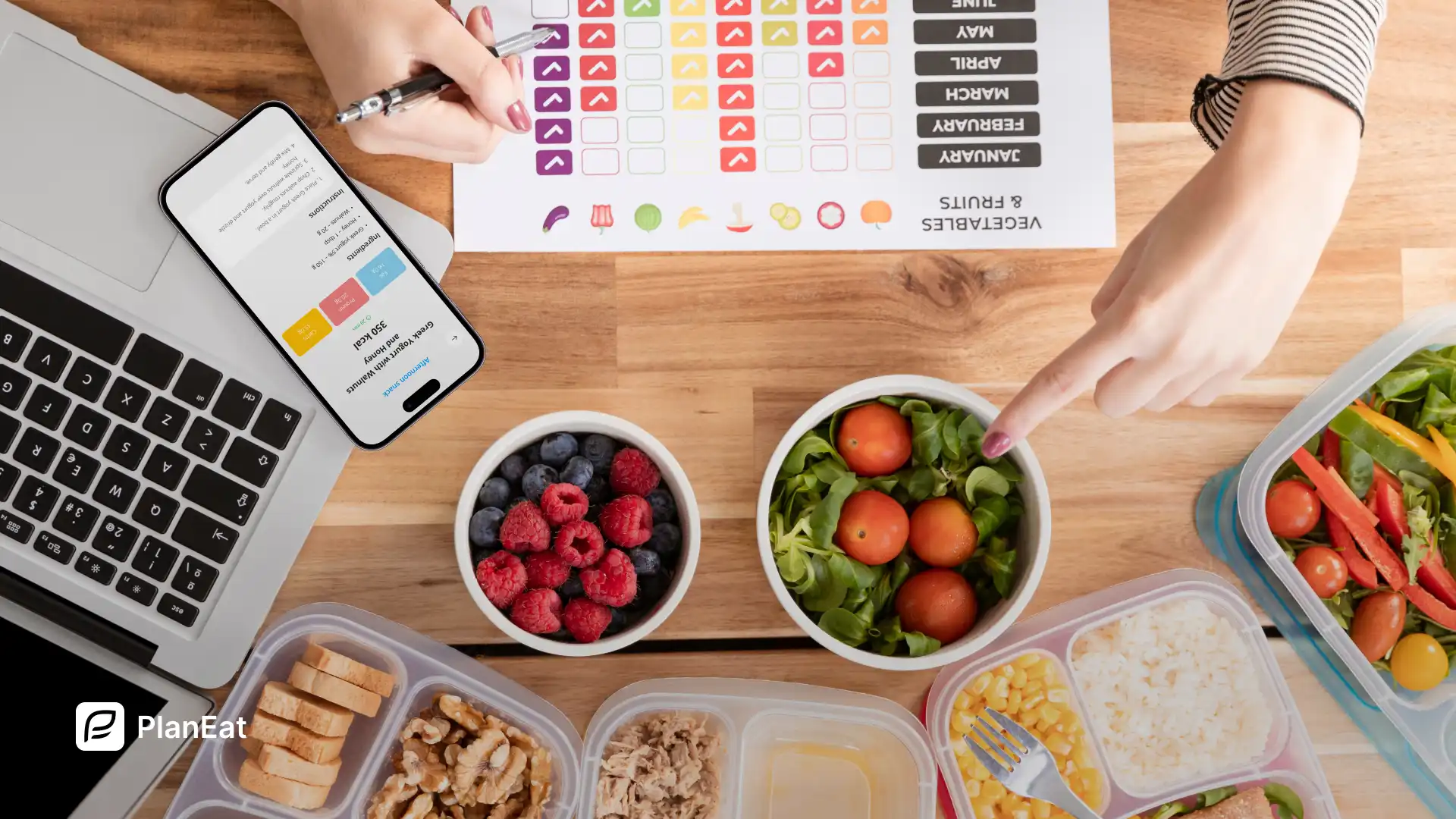
Personalization Beyond Calories
Early diet apps focused on calorie counting. AI meal planners offer much deeper personalization. These systems consider dietary restrictions (gluten-free, vegan, kosher) and allergies.
AI algorithms incorporate health goals like weight loss, muscle gain, or diabetes management. They also factor in taste preferences, learning what flavors and cuisines you enjoy through user input. Some apps let you specify your kitchen skill level, suggesting appropriate recipes.
Data sources for personalization are sophisticated. Many apps integrate with wearables like fitness trackers and smartwatches, using activity and sleep data to adjust meal plans. Genetic testing is also used, with some companies offering plans based on DNA.
Current systems struggle with nuance. They handle basic restrictions and preferences but often miss the complexities of individual metabolism and nutrient interactions. Most apps require significant manual tweaking for optimal plans. They are good starting points, but not substitutes for a registered dietitian.
- Dietary restrictions (gluten-free, vegan, etc.)
- Allergies
- Health goals (weight loss, muscle gain, diabetes management)
- Taste preferences
- Cooking skill level
- Activity levels (from wearable devices)
- Genetic information (increasingly available)
The Teen Calorie Problem
Research from EurekAlert! (March 12, 2026) raises concerns about AI meal plans for teenagers. The study found AI-generated plans often result in insufficient calorie intake, potentially equivalent to skipping a meal. This is alarming given the importance of adequate nutrition for adolescent growth and development.
Chronic calorie restriction can lead to stunted growth, delayed puberty, and other health problems in teenagers. It can also contribute to disordered eating patterns and negative body image. Researchers note these plans, intended to help teens lose weight, inadvertently risk their health.
AI algorithms may not understand the unique nutritional needs of adolescents. Teenagers require more calories and nutrients than adults due to rapid growth. AI might overemphasize weight loss over overall health.
Data sets used to train AI may be flawed. If biased towards adult guidelines, AI may generate inappropriate plans for teenagers. Developers must address this, rigorously testing and validating systems before marketing to vulnerable populations.
Current App Landscape: A Realistic View
The AI meal planning app market is crowded. Popular options include NutriGen (personalized plans based on genetic testing, ~$199/month), FitFuel (athletic performance and muscle gain, ~$99/year), and FamilyFeast (family-friendly meal plans, ~$79/year).
NutriGen offers personalization, but the scientific validity of its genetic recommendations is debated. Nutritionists question if a genetic test alone provides enough information for an optimal diet. FitFuel calculates macronutrient ratios for athletes but has a limited recipe database. FamilyFeast generates shopping lists and manages schedules, but its recipes can be bland.
Recommending a single app is difficult. Many overpromise and underdeliver, requiring significant manual input and tweaking for healthy, enjoyable plans. Recipe quality varies, and some apps have bugs.
A newer entrant, CulinaryAI, focuses on recipe generation and customization. It allows users to specify dietary restrictions, preferences, and skill level to generate tailored recipes. It is still in beta and prone to occasional algorithmic oddities.
AI-Powered Meal Planning App Comparison (2026)
| App Name | Primary Focus | Personalization Approach | Data Integration | User Experience |
|---|---|---|---|---|
| NutriAI | General Wellness | Intermediate - Dietary Restrictions | Recipe Databases, User Input | Generally Easy |
| FitFoodie | Weight Management | Advanced - Activity Level & Goals | Wearable Data, Food Logs | Moderate - Feature Rich |
| FamilyTable | Family Meals | Basic - Number of Servings | Grocery Store Integration | Very Easy - Streamlined |
| HealthHarmony | Balanced Nutrition | Intermediate - Macro Nutrient Targets | Scientific Literature, USDA Data | Moderate - Informative |
| QuickPlate | Time Saving | Basic - Speed of Preparation | Limited Recipe Database | Easy - Minimal Input |
| TeenFuel | Teen Nutrition | Advanced - Growth Stages & Activity | Nutrient Databases, User Profile | Moderate - Age Appropriate |
Qualitative comparison based on the article research brief. Confirm current product details in the official docs before making implementation choices.
Beyond the App: Integration with Smart Kitchens
AI meal planning is integrating with smart kitchen appliances. Smart refrigerators, like the Samsung Family Hub, suggest recipes based on available ingredients and create shopping lists. Some ovens, like June Oven, automatically adjust cooking times and temperatures based on the recipe and user preferences.
Voice assistants like Amazon Alexa and Google Assistant are also involved. Users can ask them to suggest meals, find recipes, or provide step-by-step cooking guidance. This integration is convenient when busy or with hands full.
undefined. The different appliances and platforms often don’t communicate with each other effectively. You may need to manually transfer information between your app, your refrigerator, and your oven. The ecosystem is still fragmented and evolving.
Currently, this level of integration is largely limited to those with high-end appliances. The cost of a smart refrigerator or oven can be prohibitive for many consumers. Accessibility is a major barrier to widespread adoption. This is also a privacy concern, as these appliances are constantly collecting data about your eating habits.
Recipe Generation: Creativity vs. Nutrition
One of the most intriguing aspects of AI meal planning is the ability to generate new recipes. The algorithms can analyze vast databases of recipes and identify patterns and combinations that humans might not have considered. However, the results are often…mixed.
While some AI-generated recipes are genuinely creative and appealing, many feel bland and algorithmic. They often lack the subtle nuances and flavor combinations that make a dish truly memorable. I’ve seen some truly bizarre combinations, like kale smoothies with pickled herring. The AI seems to prioritize novelty over taste.
More importantly, the nutritional quality of these recipes is often questionable. The AI may prioritize palatability over health, resulting in recipes that are high in fat, sugar, or sodium. It’s crucial to carefully review the nutritional information for any AI-generated recipe before you prepare it.
Balancing creativity, taste, and nutrition is a significant challenge for AI. The algorithms need to be trained on a diverse and comprehensive dataset of recipes that prioritize both flavor and health. They also need to be able to adapt to individual preferences and dietary needs. It’s a complex problem, and we’re still a long way from perfecting it.
Data Privacy and Security Concerns
AI meal planning apps collect a significant amount of data about users, including their dietary restrictions, allergies, health goals, taste preferences, and even their genetic information. This data is valuable to the app developers, as it allows them to personalize the meal plans and improve the accuracy of their algorithms.
However, it also raises serious privacy concerns. What is this data being used for? Is it being shared with third parties, such as food manufacturers or insurance companies? What security measures are in place to protect user data from unauthorized access?
Many apps have privacy policies that outline how they collect, use, and share user data. However, these policies are often lengthy and complex, and it can be difficult to understand exactly what you’re agreeing to. It’s essential to carefully review the privacy policy before signing up for an app.
Data breaches are a constant threat. If an app’s security is compromised, your personal information could be stolen and used for malicious purposes. Choosing apps with strong privacy policies and robust security measures is crucial. Look for apps that use encryption and two-factor authentication.
The Future: Predictive Nutrition and Beyond
The future of AI meal planning is exciting. We’re on the cusp of a revolution in personalized nutrition, driven by advances in artificial intelligence and data science. One emerging trend is predictive nutrition – using AI to anticipate your nutritional needs before you even feel hungry.
This involves analyzing data from wearable devices, genetic tests, and other sources to predict when you’re likely to experience cravings or energy dips. The AI can then suggest a meal or snack that will help you stay on track with your health goals. Personalized supplement recommendations are also on the horizon, with AI tailoring vitamin and mineral intake to individual needs.
Another promising development is the integration of AI with healthcare providers. Doctors and dietitians could use AI-powered tools to create more effective and personalized nutrition plans for their patients. This could lead to better health outcomes and a reduction in chronic disease.
However, these advancements also raise ethical considerations. We need to ensure that AI is used responsibly and that it doesn’t exacerbate existing health inequalities. Data privacy and security must remain paramount. I believe we’re entering an era where technology can empower us to take control of our health, but only if we address these challenges proactively.




No comments yet. Be the first to share your thoughts!