
Food & Climate: The 2026 Shift
The connection between what we eat and the health of our planet is becoming impossible to ignore. Climate-conscious eating isn't a fleeting trend; it's a fundamental shift in how we approach food. We’re seeing this reflected in major policy changes, like the USDA’s recent unveiling of a historic reset of U.S. nutrition policy, championed by Secretary Kennedy and Deputy Secretary Rollins in 2024. Their focus is putting "real food" back at the center of health, a move I wholeheartedly support.
This isn’t just about swapping one food for another. It’s about rethinking the entire food system, from farm to table. The FDA’s Human Foods Program 2026 Priority Deliverables signal a commitment to building a more resilient food supply, one that can withstand the challenges of a changing climate. They are prioritizing measures to enhance food safety and nutrition, which directly tie into the idea of sustainable food production.
For years, the conversation around sustainability felt abstract. Now, it’s hitting home. Extreme weather events are disrupting harvests, food prices are fluctuating, and consumers are demanding more transparency. I think people are finally understanding that their food choices have real consequences – for their health and for the planet.
This article will guide you through the most promising pathways toward a more sustainable and healthy diet in 2026 and beyond. We’ll explore specific foods, agricultural practices, and policy changes that are shaping the future of food. It’s a journey, and I’m glad to be sharing it with you.
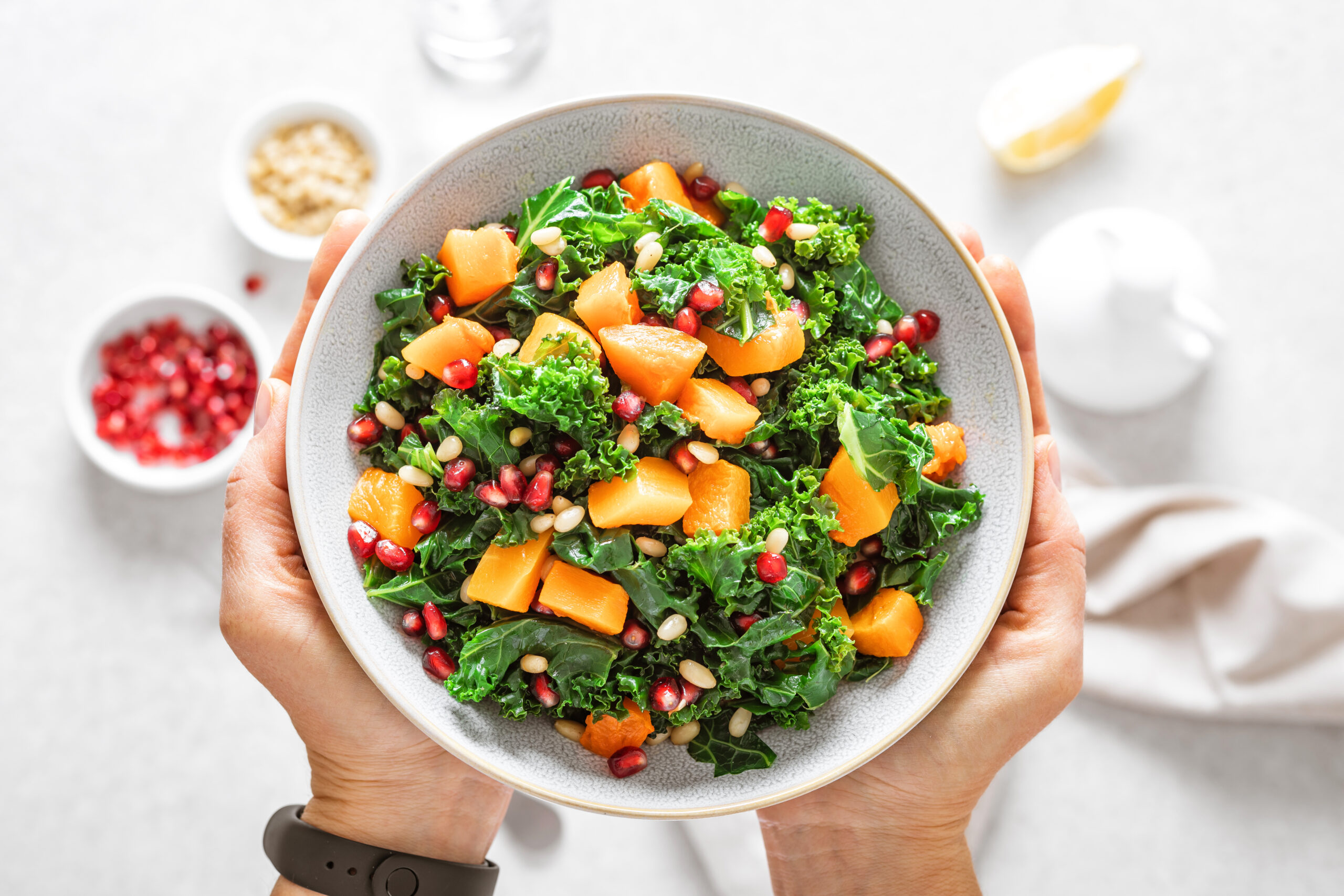
Regenerative Agriculture's Rising Stars
Regenerative agriculture is more than just a farming technique; it’s a philosophy. It’s about working with nature, not against it. Unlike conventional agriculture, which often depletes soil health, regenerative practices actively rebuild it. This means healthier soil, increased biodiversity, improved water cycles, and – crucially – carbon sequestration.
What does this look like in practice? Think cover-cropped grains like rye and oats. These aren’t grown for harvest, but to protect and nourish the soil during fallow periods. Perennial crops, like chestnuts and hazelnuts, require less disturbance to the soil than annual crops, and their root systems help prevent erosion. Silvopasture – integrating trees and livestock – is another powerful technique; the trees provide shade and forage for the animals, while the animals help fertilize the soil.
The benefits extend beyond the farm. Healthy soil absorbs more water, reducing the risk of floods and droughts. Increased biodiversity creates more resilient ecosystems. And carbon sequestration helps mitigate climate change. It’s a win-win-win. I’ve seen firsthand how farmers adopting these practices are experiencing increased yields and reduced input costs.
It’s important to understand the difference between regenerative and "sustainable’ agriculture. Sustainable aims to maintain the status quo, while regenerative actively improves the health of the ecosystem. Look for certifications like Regenerative Organic Certified (ROC) to ensure that the products you"re buying truly support these practices. Some brands leading the charge here include Patagonia Provisions and Dr. Bronner's.
Seaweed & Microalgae: The Ocean's Bounty
If we’re looking for truly sustainable food sources, we need to look to the ocean. Seaweed and microalgae are incredibly efficient producers, requiring no land, freshwater, or fertilizer to grow. They absorb carbon dioxide as they grow, further contributing to climate mitigation. It’s a pretty compelling package.
There’s a huge diversity of edible seaweeds. Kelp is a large brown algae often used in soups and stews. Nori is the red algae used to wrap sushi. Spirulina and chlorella are freshwater microalgae packed with protein, vitamins, and minerals. They can be added to smoothies or taken as supplements.
I know some people are hesitant about seaweed, concerned about the taste or texture. But there are so many ways to incorporate it into your diet. Nori is familiar and palatable. Kelp noodles are a great low-carb pasta alternative. And spirulina and chlorella can be masked in smoothies. Experiment and find what you like.
Innovation is happening rapidly in this space. Companies like Ocean Harvest Technology are developing new ways to cultivate seaweed sustainably. Others are exploring the use of seaweed as a biofuel or bioplastic. While accessibility can still be a challenge in some areas, the potential of seaweed and microalgae is enormous.
Seaweed & Microalgae: Nutritional Profile, Culinary Uses, Sustainability & Considerations
| Type | Nutritional Highlights | Culinary Applications | Sustainability Score (Qualitative) | Potential Drawbacks |
|---|---|---|---|---|
| Nori (Porphyra) | Good source of Vitamin A, Vitamin C, iron, and iodine. Moderate protein content. | Commonly used in sushi, onigiri, and as a garnish. Can be toasted into snacks. | High - Requires minimal inputs, fast growth rate, often cultivated in coastal areas. | Iodine content can be high; moderation is advised, especially for those with thyroid conditions. |
| Kelp (Laminariales) | Rich in iodine, calcium, magnesium, and potassium. Contains fucoidan, a compound studied for potential health benefits. | Used in soups, stews, and as a vegetable. Popular in Asian cuisines. Can be dried and ground into a seasoning. | Moderate to High - Relatively sustainable, but some harvesting practices can impact ecosystems. Farmed kelp is generally more sustainable. | High iodine content. Potential for heavy metal accumulation depending on growing location. |
| Wakame (Undaria pinnatifida) | Good source of folate, magnesium, and calcium. Contains fucoxanthin, a carotenoid with antioxidant properties. | Commonly used in miso soup, salads, and as a side dish. Often rehydrated from dried form. | Moderate - Cultivation is increasing, but wild harvesting can be detrimental to local ecosystems. | Iodine content; potential allergen for some individuals. |
| Dulse (Palmaria palmata) | Contains all trace minerals, high in iron, potassium, and Vitamin B6. Distinctive reddish-purple color. | Can be eaten as a snack, added to salads, or used as a seasoning. Has a slightly smoky, bacon-like flavor when cooked. | High - Grows readily on rocky shores, requiring minimal intervention. Often sustainably harvested. | Moderate iodine content. Can have a strong, acquired taste. |
| Spirulina (Arthrospira) | High in protein (around 60-70%), beta-carotene, iron, and B vitamins. Considered a complete protein. | Often consumed as a powder added to smoothies, juices, or energy bars. Used as a natural food coloring. | Moderate - Requires significant water and nutrient inputs for cultivation, but can be grown in non-arable land. | Potential for contamination if not sourced from a reputable supplier. May interact with certain medications. |
| Chlorella (Chlorella vulgaris) | Rich in chlorophyll, protein, vitamins, and minerals. Known for its detoxifying properties. | Available in powder, tablet, or capsule form. Added to smoothies or juices. | Moderate - Similar to Spirulina, requires controlled cultivation conditions and resource management. | Can cause digestive upset in some individuals. May interact with certain medications. |
| Sea Lettuce (Ulva lactuca) | Good source of vitamins A and C, and iron. Relatively mild flavor. | Can be added to salads, soups, or used as a wrap. Often blanched before use. | High - Fast-growing and readily available, can be cultivated or harvested from the wild sustainably. | May accumulate heavy metals depending on the water quality of its growing environment. |
Illustrative comparison based on the article research brief. Verify current pricing, limits, and product details in the official docs before relying on it.
Forgotten Fruits & Ancient Grains
Our modern food system has become incredibly homogenous, relying on a handful of crops. This lack of biodiversity makes us vulnerable to climate change and pests. Rediscovering forgotten fruits and ancient grains is a crucial step toward building a more resilient food supply.
Pawpaws, native to North America, are a delicious and nutritious fruit with a custard-like texture. Elderberries are packed with antioxidants and have been used for centuries in traditional medicine. Amaranth, millet, and sorghum are ancient grains that are more drought-tolerant than wheat or rice and offer a good source of protein and fiber.
These crops often require fewer inputs than mainstream options, meaning less fertilizer, pesticides, and water. They’re also often adapted to local climates, making them more reliable in a changing world. I think there’s a real opportunity for farmers to diversify their crops and tap into this growing market.
Supporting farmers who are growing these underutilized crops is essential. Look for them at farmers' markets or specialty food stores. Seed Savers Exchange is a great resource for finding heirloom seeds and learning more about these forgotten foods. It’s about celebrating the diversity of our agricultural heritage.
Resources for Sustainable Foods
- Seed Savers Exchange - A non-profit dedicated to preserving and promoting heirloom seeds. They offer a vast catalog of open-pollinated varieties and educational resources.
- Native Seed SEARCH - Focuses on preserving the seeds of arid-adapted crops from the Southwestern United States and Northern Mexico, crucial for drought resilience.
- USDA National Plant Germplasm System (NPGS) - A network of gene banks that maintains collections of plant genetic resources, including many underutilized crops. Access is primarily for researchers, but information is publicly available.
- Baker Creek Heirloom Seeds - A widely known source for non-GMO, heirloom seeds, offering a diverse range of vegetable, flower, and herb varieties.
- Fedco Seeds - A worker-owned cooperative specializing in seeds for cold climates and organic gardening, with a strong emphasis on regional adaptation.
- Local Harvest - A website that connects consumers with local farms, farmers' markets, and Community Supported Agriculture (CSA) programs, supporting regional food systems.
- Slow Food USA - An organization promoting good, clean, and fair food, with initiatives focused on preserving biodiversity and traditional foodways. They often host seed swaps and educational events.
Reducing Food Waste: A Climate Imperative
Food waste is a massive problem, contributing significantly to greenhouse gas emissions. According to the USDA, roughly 30-40 percent of the food supply is wasted. That’s not just a moral issue; it’s an environmental one. When food ends up in landfills, it decomposes and releases methane, a potent greenhouse gas.
Reducing food waste starts at home. Meal planning is key. Make a list before you go grocery shopping and stick to it. Store food properly to extend its shelf life. And get creative with leftovers. Soups, stews, and stir-fries are great ways to use up odds and ends.
Innovative solutions are also emerging. Imperfect Produce delivers fruits and vegetables that are slightly misshapen or bruised but perfectly edible. Food waste composting programs are gaining popularity, turning food scraps into nutrient-rich soil. I've been composting for years and it's incredibly rewarding.
Beyond individual actions, we need systemic changes. Standardizing date labels (“best by,” “use by”) could reduce confusion and prevent unnecessary waste. Supporting policies that encourage food donation and composting is also crucial. It’s a surprisingly impactful area where everyone can make a difference.
The Future of Protein: Beyond Beef
Beef production has a significant environmental footprint, requiring large amounts of land, water, and feed. Finding sustainable protein sources is a major challenge, but also a huge opportunity. Plant-based proteins, like legumes (beans, lentils, chickpeas), tofu, and tempeh, are a good starting point. They’re affordable, versatile, and nutritious.
Insect protein – crickets, mealworms – is another promising option. I know it’s not for everyone, but insects are incredibly efficient at converting feed into protein. They require far less land and water than livestock. Companies like Entomo Farms are pioneering insect farming in North America.
Cultivated meat – lab-grown meat – is still in its early stages, but it has the potential to revolutionize protein production. It involves growing meat cells in a lab, without the need to raise and slaughter animals. The cost is still high, and scaling up production is a challenge, but the technology is advancing rapidly.
Each option has its pros and cons. Plant-based proteins require land for cultivation. Insect protein may face consumer acceptance hurdles. Cultivated meat is energy-intensive. The key is to diversify our protein sources and embrace innovation. It’s not about eliminating beef entirely, but about reducing our reliance on it.
How Climate-Conscious is Your Plate?
As we look towards 2026 and beyond, the connection between our food choices and the health of the planet is becoming increasingly clear. This quiz will test your knowledge of sustainable eating practices and help you assess how well your diet aligns with a climate-conscious lifestyle. Let's see how informed you are about the future of food!
Policy & Your Plate: What's Changing
Government policies are beginning to reflect the growing demand for sustainable food. The USDA’s focus on "real food’ and the FDA’s 2026 priorities are steps in the right direction. We"re also seeing increased funding for research into regenerative agriculture and alternative protein sources.
However, policy changes often lag behind consumer demand. It’s important for consumers to advocate for change. Support businesses that prioritize sustainability. Contact your elected officials and let them know that you care about these issues. Vote with your wallet.
Look for labeling initiatives that help you identify sustainable products. Certifications like Regenerative Organic Certified (ROC) and Certified B Corporation can provide assurance that a company is committed to social and environmental responsibility. Understanding these labels can empower you to make informed choices.
This isn’t just about individual choices; it’s about systemic change. We need policies that incentivize sustainable agriculture, reduce food waste, and promote access to healthy, affordable food for everyone. It’s a complex challenge, but one that we must address if we want to create a truly sustainable food system.



No comments yet. Be the first to share your thoughts!