
Beyond Soy: The 2026 Protein Shift
For years, soy has been the reigning champion of plant-based protein, often alongside pea protein. But things are changing, and quickly. Demand for alternative proteins is surging, driven by health concerns, environmental awareness, and simply a desire for more variety. However, soy and pea aren’t without their drawbacks – allergies, digestive issues, and even flavor fatigue are common complaints. That’s where mushroom and algae proteins come in.
These aren't just the next trendy ingredients; they represent a potential breakthrough. We’re on the cusp of a real shift in how we think about protein, and 2026 looks like a pivotal year. The FDA is prioritizing a revamp of the Human Foods Program, focusing on modernizing food safety and nutrition, while the USDA is doubling down on "real food’ – a clear signal that processed alternatives won"t be favored indefinitely.
Many people are still hesitant about plant-based proteins generally. They worry about complete protein profiles, taste, and whether these alternatives can truly deliver the same nutritional benefits as animal products. It’s a valid concern, and one we’ll address throughout this guide. But the advancements in mushroom and algae protein production are making significant strides in overcoming these obstacles.
I believe that the future of protein isn't about replacing meat entirely, but about expanding our options. Mushroom and algae proteins aren’t just substitutes; they offer unique nutritional profiles and culinary possibilities that soy and pea simply can't match. They represent a more sustainable and diverse approach to fueling our bodies.
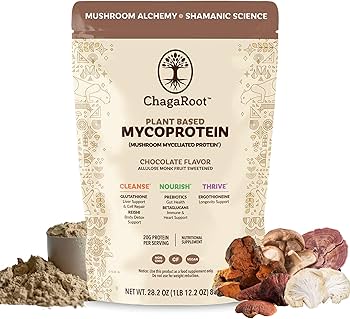
Mushroom Protein: A Texture Game-Changer
Forget everything you think you know about mushrooms. We aren’t talking about sliced portobellos here. The real excitement lies in mycelium, the root structure of fungi. Mycelium-based proteins are grown through fermentation, creating a fibrous, meat-like texture that’s a game-changer for picky eaters who struggle with the often-gritty or powdery texture of other plant proteins.
Companies like MyForest Foods are pioneering this space. They grow mycelium on agricultural byproducts, creating a sustainable and efficient protein source. Their MyBacon product, for example, aims to replicate the texture and flavor of bacon remarkably well. Nature’s Fynd is another key player, utilizing a unique strain of fungus called Fusarium strain flavolapis to produce Fy Protein, which is then used in cream cheese, yogurt, and meat alternatives.
The texture is really the biggest advantage here. It’s not mushy like some tofu, or grainy like some pea protein isolates. It actually shreds, browns, and holds its shape when cooked, making it incredibly versatile. This is a huge win for people who miss the mouthfeel of meat but want to reduce their consumption.
Scalability is a key question. While mycelium production is generally more sustainable than traditional agriculture, scaling up to meet mass demand is a challenge. MyForest Foods, for example, is building a large-scale indoor farm in Belleville, Michigan, aiming to produce millions of pounds of mycelium protein annually. The success of these initial facilities will be crucial for determining the long-term viability of mycelium as a mainstream protein source.
Beyond texture, mycelium protein boasts a good nutritional profile, being a complete protein source with a good amount of fiber. It’s also relatively neutral in flavor, making it a blank canvas for chefs and food manufacturers. It's not a miracle food, but it certainly has a lot going for it.
- MyForest Foods: MyBacon and other mycelium-based products.
- Nature’s Fynd: Fy Protein cream cheese, yogurt, and meat alternatives.
- Quorn (existing player): Although they use a different fungal strain, Quorn demonstrates the established market for mycoprotein.
Algae Protein: Nutrient Density Unleashed
Algae, specifically microalgae like spirulina and chlorella, are nutritional powerhouses. They’re not just protein sources; they're packed with omega-3 fatty acids, vitamins (especially B vitamins), minerals (like iron), and antioxidants. In terms of nutrient density, algae protein surpasses many traditional protein sources.
The biggest hurdle with algae protein has always been taste and smell. Some varieties have a distinctly "fishy" flavor that many people find off-putting. However, companies are making progress in masking these flavors through processing techniques and blending with other ingredients. Cultured algae, where the algae is grown in controlled environments, tends to have a milder flavor than wild-harvested algae.
Algae protein comes in several forms. You can find it as a powder, which can be added to smoothies or baked goods. Flakes are another option, often used as a garnish or added to salads. And increasingly, we’re seeing whole algae foods, like algae pasta and algae-based snacks, hitting the market.
It’s important to be honest: some algae does still taste fishy. Spirulina, in particular, has a strong flavor. But chlorella is milder, and companies are developing techniques to reduce the off-flavors even further. Blending algae protein with fruit, chocolate, or other strong flavors can also help mask the taste.
I'm impressed by the sustainability of algae production. It requires significantly less land and water than traditional agriculture, and it can even help sequester carbon dioxide from the atmosphere. It's a win-win for both our health and the planet.
- Spirulina: A blue-green algae rich in protein and antioxidants.
- Chlorella: A green algae known for its detoxifying properties.
- Haematococcus pluvialis: A source of astaxanthin, a powerful antioxidant.
Comparison of Algae Protein Sources
| Algae Type | Taste & Smell Profile | Protein Content | Omega-3 Content | Culinary Versatility |
|---|---|---|---|---|
| Spirulina | Noticeable, slightly marine | Medium | High | Best in smoothies, can be masked in recipes |
| Chlorella | Earthy, can be strong | Medium | Medium | Often taken in tablet form, flavor needs masking |
| Haematococcus pluvialis (Astaxanthin) | Mild, minimal flavor impact | Low (primarily for astaxanthin) | Low | Used more as a supplement, subtle flavor impact |
| Mushroom Protein (Mycoprotein - Quorn) | Mild, savory | High | Low | Versatile - meat substitute, works in many dishes |
| Mushroom Protein (Lion's Mane) | Subtle, slightly sweet | Medium | Low | Good for coffee/tea additions, blends well |
| Mushroom Protein (Shiitake) | Umami, distinct flavor | Medium | Low | Best used to enhance savory dishes, strong flavor profile |
| Mushroom Protein (Oyster) | Delicate, mild seafood-like | Medium | Low | Good for seafood alternatives, blends well |
Qualitative comparison based on the article research brief. Confirm current product details in the official docs before making implementation choices.
Picky Eater Strategies: Sneaking in the Goodness
This is where things get practical. You’ve got a picky eater, and you want to boost their protein intake with mushroom or algae protein. It’s not going to be easy, but it is possible. The key is to be subtle, patient, and creative.
Start small. Don’t try to overhaul their entire diet overnight. Begin by adding a small amount of algae powder to a smoothie. The fruit will mask the flavor, and they likely won’t even notice it’s there. Similarly, you can finely mince mushroom protein and add it to ground meat dishes – think meatballs, meatloaf, or tacos. It acts as a meat extender, boosting the protein content without drastically changing the flavor or texture.
Texture is often the biggest obstacle. If your child dislikes certain textures, focus on incorporating the proteins into sauces or soups, where the texture is less noticeable. Mushroom protein blends well into creamy sauces, while algae powder can be dissolved in broth-based soups.
Child nutritionists recommend focusing on positive reinforcement rather than restriction. Don’t force your child to eat something they dislike. Instead, praise them for trying new things, even if they only take a small bite. Making mealtimes a positive and relaxed experience is crucial.
Here's a step-by-step guide to introducing mushroom protein into mac and cheese: First, finely mince the mushroom protein. Second, sauté it lightly to remove excess moisture. Third, mix it into the cheese sauce. Fourth, gradually increase the amount of mushroom protein over time. Fifth, serve with their favorite toppings to encourage them to try it.
The Regulatory Landscape: FDA & USDA in 2026
The FDA’s 2026 Human Foods Program priorities, as outlined on FDA.gov, are focused on modernizing food safety, enhancing nutrition, and building a more resilient food system. This will undoubtedly impact the approval and labeling of novel protein sources like mushroom and algae proteins. Expect increased scrutiny of production processes, allergen labeling requirements, and nutritional claims.
The USDA’s recent emphasis on "real food’, highlighted in their fact sheet, suggests a move away from highly processed food alternatives. This could potentially favor mycelium-based proteins, which are grown through a more natural fermentation process, over heavily processed plant-based meat analogs. However, the definition of ‘real food" is still evolving, and it remains to be seen how this will be applied in practice.
We can anticipate stricter labeling requirements for genetically modified algae, if any are used in protein production. The FDA is also likely to focus on ensuring the safety of algae proteins sourced from different environments, as contamination with toxins is a potential concern. Transparency in the supply chain will be critical.
The FDA is prioritizing preventative controls for food safety, meaning that companies will need to demonstrate that their production processes are designed to prevent contamination and ensure product safety. This will likely require significant investment in infrastructure and quality control measures.
Cost & Availability: What to Expect
Currently, mushroom and algae proteins are generally more expensive than traditional protein sources like beef, chicken, or even soy protein. MyForest Foods’ MyBacon, for example, retails for around $8 per package, while spirulina powder can cost upwards of $20 per pound. This higher price point is due to the relatively small scale of production and the complex manufacturing processes involved.
However, as production scales up, costs are expected to come down. Increased investment in indoor farming facilities and advancements in algae cultivation techniques will help drive down production costs. We could see significant price reductions by 2026, potentially making these proteins more competitive with conventional options.
Availability is also a major challenge. Currently, mushroom and algae proteins are primarily available online through specialty retailers or directly from the manufacturers’ websites. You’re unlikely to find them on the shelves of your local grocery store just yet. However, as demand increases, more retailers are likely to start carrying these products.
I predict that we’ll see a tiered market emerge. Premium brands like MyForest Foods and Nature’s Fynd will continue to cater to health-conscious consumers willing to pay a premium price. Meanwhile, other companies will focus on producing more affordable algae and mycelium proteins for a wider consumer base.
Keep an eye on online retailers like Thrive Market and Amazon, as well as specialty health food stores. These are currently the most reliable sources for finding mushroom and algae protein products.
Beyond Food: Emerging Applications
The potential of mushroom and algae proteins extends far beyond human food. These proteins are being explored for use in pet food, offering a sustainable and nutritious alternative to traditional meat-based diets. The high protein content and essential amino acids make them ideal ingredients for pet food formulations.
The cosmetic industry is also showing interest. Algae extracts, rich in antioxidants and vitamins, are being incorporated into skincare products to protect against aging and environmental damage. Mushroom extracts are being used in hair care products to promote growth and strengthen hair.
Perhaps the most intriguing application is in biomaterials. Mycelium, with its unique structural properties, is being used to create sustainable packaging materials, building materials, and even leather alternatives. This could revolutionize industries reliant on traditional, less sustainable materials.
While these applications are still in their early stages of development, they demonstrate the broader potential of mushroom and algae proteins to contribute to a more sustainable and circular economy. It's a promising outlook, even if the full impact remains to be seen.


No comments yet. Be the first to share your thoughts!