
The 2026 Longevity Shift
For generations, aging was often viewed as an inevitable decline. Something to be endured, not optimized. But that narrative is changing, and quickly. We’re seeing a fundamental shift in how people approach getting older, moving beyond simply extending lifespan to maximizing healthspan – the years lived in good health, with vitality and purpose. This isn't about chasing immortality, it’s about making the most of the years we have.
This isn’t some fleeting wellness trend either; it’s being driven by genuine scientific advancements. Research into areas like cellular senescence, gut microbiome health, and the power of plant-based nutrition is giving us concrete strategies to influence the aging process. The growing interest is palpable. The Health & Longevity Summit 2026, for example, is a clear indication of the widespread curiosity and investment in this field.
There's a lot of hype around longevity, admittedly. You see all sorts of products and programs promising miraculous results. But beneath the marketing noise, there’s a solid foundation of evidence-based science emerging. The good news is that this shift doesn't require deprivation or restrictive dieting. In fact, many of the most effective longevity strategies are deeply enjoyable – centered around savoring delicious, nourishing food.
The idea of "longevity’ is becoming less about rigid rules and more about informed choices. It’s about understanding how food impacts our cellular health and making simple, sustainable changes to support a long and vibrant life. A life where we aren"t just living longer, but thriving longer.
Professor Longo's Fasting Blueprint
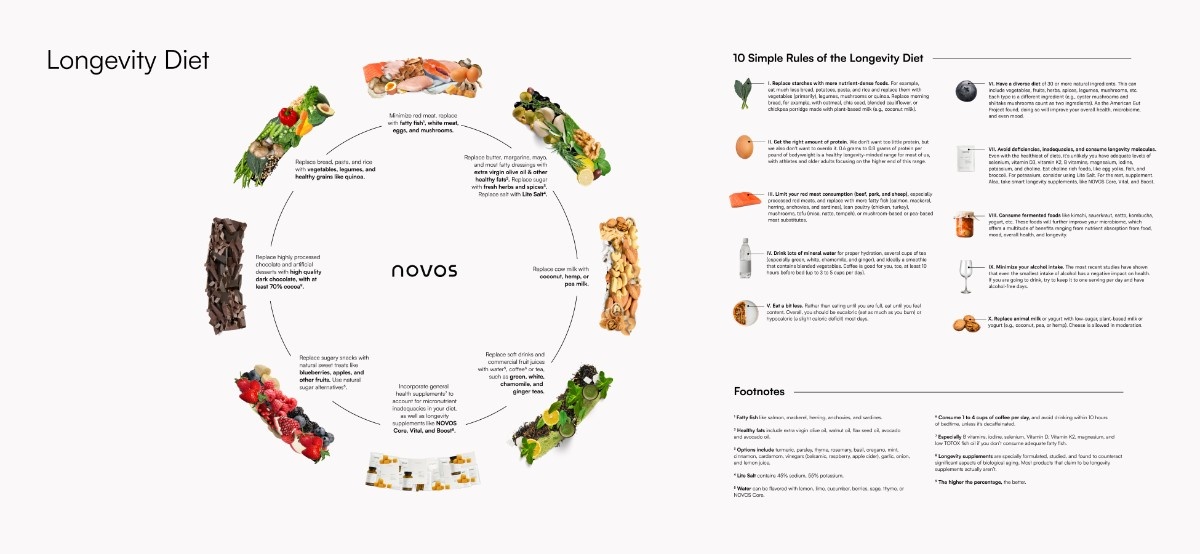
Professor Valter Longo, director of the Longevity Institute at the University of Southern California, has become a leading voice in longevity research. His work, discussed extensively at the Health & Longevity Summit 2026, centers around the power of fasting and a carefully designed "Longevity Diet’. It’s not about starving yourself; it"s about strategically timing your meals and focusing on nutrient density.
The core principles of the Longevity Diet include time-restricted eating, typically a 12-13 hour eating window, and a predominantly plant-based approach. Longo's research suggests that this pattern can activate cellular repair mechanisms, reduce inflammation, and improve metabolic health. He also recommends a lower protein intake, particularly from animal sources. This isn’t about eliminating protein entirely, but about optimizing the amount and source.
Why does this work? The theory is that by limiting protein intake and creating periods of metabolic rest through time-restricted eating, we can reduce the activation of pathways like mTOR, which are linked to aging and age-related diseases. Essentially, we're giving our cells a chance to repair and rejuvenate. It’s a fascinating concept, and the evidence is increasingly compelling.
Now, strict fasting isn't for everyone. It's crucial to listen to your body and consult with a healthcare professional before making significant dietary changes. Many people find a more gradual approach – starting with a 12-hour eating window and gradually increasing the restriction – to be more sustainable. The goal isn’t to feel deprived; it’s to find a pattern that supports your health and well-being. Longo's book, The Longevity Diet, offers a detailed guide to implementing these principles.
The 'Blue Zone' Food Principles, Refined
The world’s Blue Zones – regions where people live significantly longer and healthier lives – offer invaluable insights into longevity nutrition. These areas, including Ikaria (Greece), Okinawa (Japan), Sardinia (Italy), Loma Linda (California), and Nicoya (Costa Rica), share common dietary threads. But simply copying their diets exactly isn’t realistic or necessarily desirable for modern food lovers.
The key is to understand the underlying principles and adapt them to our own lifestyles and preferences. A cornerstone of Blue Zone diets is a heavy reliance on beans and legumes. These are packed with protein, fiber, and complex carbohydrates, and they’re incredibly versatile. Whole grains, like oats, barley, and brown rice, are also staples, providing sustained energy and essential nutrients.
Vegetables, especially leafy greens and cruciferous vegetables like broccoli and cauliflower, are consumed in abundance. Meat, when eaten, is typically limited to small portions and often reserved for special occasions. But it's not just what they eat, but how they prepare it. Traditional Blue Zone cooking often emphasizes simple, whole-food preparations, minimizing processed ingredients and added sugars.
We can apply these principles without sacrificing flavor. Experiment with different bean varieties, explore global cuisines that feature legumes prominently, and get creative with vegetable-focused dishes. The goal is to build a diet that is both nourishing and enjoyable. It's about finding sustainable habits, not adhering to rigid rules.
Dietary Patterns of the Blue Zones
| Blue Zone | Dietary Staples | Common Cooking Methods | Typical Meal Timing/Habits | Frequency of Meat Consumption |
|---|---|---|---|---|
| Okinawa, Japan | Sweet potatoes, vegetables (especially leafy greens and bitter melon), soy-based foods (tofu, miso, edamame), seaweed | Steaming, stir-frying, minimal processing. Emphasis on preserving natural flavors. | Smaller portions, eating until 80% full ('Hara Hachi Bu'). | Very infrequent; primarily reserved for special occasions. |
| Sardinia, Italy | Whole-grain bread, beans, garden vegetables, fruits, masterizza herbs, sheep’s milk cheese | Simple preparations, often grilled or roasted. Focus on fresh, local ingredients. | Regular mealtimes with family and community. Emphasis on social connection during meals. | Moderate; traditionally sheep or goat, consumed a few times per month. |
| Ikaria, Greece | Vegetables (wild greens, potatoes, beans), fruits (figs, grapes), olive oil, herbal teas, goat’s milk | Slow cooking, often in stews or soups. Reliance on seasonal produce. | Consistent daily routine including regular, relaxed mealtimes. Afternoon naps are common. | Infrequent; typically goat or occasionally fish. |
| Nicoya Peninsula, Costa Rica | Beans, corn tortillas, squash, rice, tropical fruits, pumpkin seeds | Simple cooking methods – boiling, grilling. Corn is often nixtamalized (treated with lime). | Three moderate meals a day, often including a large breakfast. Emphasis on family meals. | Rare; primarily during festivals or celebrations. |
| Loma Linda, California (Seventh-day Adventists) | Fruits, vegetables, legumes, nuts, seeds, whole grains, soy products | Vegetarian or vegan cooking methods, avoiding refined sugars and processed foods. | Regular meal schedule, often including a larger lunch and lighter dinner. Emphasis on mindful eating. | None; adherence to a vegetarian or vegan diet is central to their lifestyle. |
Illustrative comparison based on the article research brief. Verify current pricing, limits, and product details in the official docs before relying on it.
3 Hacks for a Healthier 2026 Plate
According to CNBC, three simple hacks can make a big difference in your eating habits in 2026. These aren’t about drastic overhauls, but about small, impactful changes that can add up over time. The first is mindful eating – paying attention to your hunger and fullness cues, and savoring each bite. It sounds simple, but in our fast-paced world, it’s easy to eat on autopilot.
This means putting away distractions, like phones and TVs, while you eat. It also means slowing down and focusing on the taste, texture, and aroma of your food. Mindful eating can help you eat less, feel more satisfied, and develop a healthier relationship with food. It’s about appreciating your meals, not just consuming them.
The second hack is ingredient swaps. Replacing refined grains with whole grains, sugary drinks with water, and processed snacks with fruits and vegetables can significantly boost the nutritional value of your diet. It’s about making small substitutions that don’t compromise on taste. For example, swapping white bread for whole-wheat bread, or potato chips for a handful of almonds.
Finally, CNBC suggests meal prepping. Taking a few hours each week to prepare meals or components of meals can save you time and energy during the week, and make it easier to stick to a healthy eating plan. This doesn't have to be elaborate; it could be as simple as chopping vegetables, cooking a batch of grains, or preparing a large salad. It’s about setting yourself up for success.
Beyond Kale: Unexpected Longevity Boosters
While kale and spinach are undoubtedly nutritional powerhouses, the world of longevity-boosting foods extends far beyond the usual suspects. Let’s look at some less-discussed options with strong scientific backing. Turmeric, for example, contains curcumin, a potent anti-inflammatory compound that has been linked to a reduced risk of chronic diseases.
Ginger, another powerful spice, also boasts anti-inflammatory properties and may help protect against oxidative stress. Fermented foods, like kombucha, kimchi, and sauerkraut, are rich in probiotics, beneficial bacteria that support gut health. A healthy gut microbiome is increasingly recognized as crucial for overall health and longevity. Research published in Nutrients (2023) highlighted the positive impact of fermented foods on gut diversity.
Consider also the benefits of sea vegetables like nori, wakame, and kelp. These are excellent sources of iodine, which is essential for thyroid function, and also contain a variety of vitamins and minerals. And don't overlook the power of berries – not just blueberries, but also raspberries, blackberries, and strawberries. They’re packed with antioxidants and polyphenols.
Finally, don’t dismiss the potential of mushrooms. Varieties like shiitake, maitake, and reishi contain compounds that may boost immune function and protect against cellular damage. Diversifying your diet with these less-common foods can provide a wider range of nutrients and support optimal health.
- Turmeric: Contains curcumin, a potent anti-inflammatory.
- Ginger: Offers anti-inflammatory properties and protects against oxidative stress.
- Fermented Foods: Rich in probiotics for gut health.
- Sea Vegetables: Excellent source of iodine and minerals.
- Berries: Packed with antioxidants and polyphenols.
- Mushrooms: Boost immune function and protect cells.
Longevity Boosting Foods
- Natto - This traditional Japanese food, made from fermented soybeans, is rich in nattokinase, an enzyme linked to improved cardiovascular health and potentially reduced risk of age-related diseases. Its strong flavor can be mellowed by pairing it with rice and a little soy sauce.
- Sea Buckthorn Berries - Packed with vitamins C and E, as well as omega-7 fatty acids, sea buckthorn berries offer potent antioxidant and anti-inflammatory benefits. They have a tart flavor and are often consumed as juice, puree, or oil.
- Purple Sweet Potatoes - Beyond their vibrant color, purple sweet potatoes are loaded with anthocyanins, powerful antioxidants that may protect against cellular damage and cognitive decline. They can be roasted, mashed, or used in desserts.
- Black Garlic - Created by fermenting whole bulbs of garlic under controlled heat and humidity, black garlic boasts a sweet, molasses-like flavor and significantly higher levels of antioxidants than regular garlic. It's believed to support immune function and heart health.
- Sardines - These small, oily fish are a nutritional powerhouse, providing omega-3 fatty acids, vitamin D, and calcium. They are excellent for brain health and bone density. Enjoy them grilled, canned, or added to salads.
- Shiitake Mushrooms - These umami-rich mushrooms contain compounds that may boost the immune system and support cardiovascular health. They are a good source of B vitamins and can be used in a variety of dishes, from stir-fries to soups.
- Kelp (Seaweed) - A brown algae rich in iodine, which is essential for thyroid function, and also a good source of vitamins and minerals. It can be added to soups, salads, or enjoyed as a snack.
The Role of Polyphenols: Flavor & Protection
Polyphenols are plant compounds responsible for many of the vibrant colors and distinct flavors we enjoy in fruits, vegetables, tea, and even dark chocolate. But their benefits extend far beyond aesthetics. These powerful antioxidants help protect our cells from damage caused by free radicals, unstable molecules that contribute to aging and disease.
Foods rich in polyphenols include berries, grapes, apples, onions, and cocoa. Coffee and tea are also excellent sources, particularly green tea. The darker the color of a fruit or vegetable, generally, the higher its polyphenol content. Enjoying a variety of these foods can help combat oxidative stress and reduce the risk of chronic illnesses.
It’s important to remember that polyphenols aren’t just about protection; they also contribute to the pleasurable experience of eating. The bitterness in dark chocolate, the tang in berries, the aroma of tea – these are all due to polyphenols. So, eating for longevity doesn't mean sacrificing taste; in fact, it often means embracing it.
The impact of polyphenols on health is an active area of research, but studies suggest they may play a role in reducing the risk of heart disease, cancer, and neurodegenerative diseases. A 2024 review in the Journal of Nutritional Biochemistry highlighted the diverse health benefits of polyphenol consumption.
Personalized Nutrition: The Future is Now
The future of longevity nutrition is increasingly personalized. Gone are the days of one-size-fits-all dietary recommendations. Advances in genetic testing, microbiome analysis, and wearable sensor technology are allowing us to tailor our diets to our individual needs and predispositions. This was a major theme at the Health & Longevity Summit 2026.
Genetic tests can reveal variations in genes that influence nutrient metabolism, inflammation, and disease risk. Microbiome analysis can provide insights into the composition of your gut bacteria and how it impacts your health. Wearable sensors can track your activity levels, sleep patterns, and even glucose responses to different foods.
However, it’s crucial to approach personalized nutrition with a healthy dose of skepticism. The technology is still evolving, and the interpretation of results can be complex. It’s not about chasing the latest genetic fad; it’s about using data to inform your choices and optimize your health. It’s also important to remember that genetics are not destiny.
While these technologies aren't accessible or necessary for everyone, they represent a promising direction for the future of nutrition. The goal is to move beyond generic recommendations and empower individuals to make informed choices that support their unique health needs. For now, focusing on the foundational principles – a plant-based diet, time-restricted eating, and mindful eating – remains a solid starting point for anyone seeking to live a longer, healthier life.
As we look toward the future of personalized nutrition in 2026, have you ever considered using genetic testing or microbiome analysis to tailor your anti-aging diet?
The Longevity Foods Revolution emphasizes data-driven choices. Share your experience with personalized health testing below.





No comments yet. Be the first to share your thoughts!