
Beyond Kale: The New Face of Resilience
We've all heard the warnings. Increasingly erratic weather patterns, prolonged droughts, and more frequent extreme events are putting immense strain on our global food supply. The foods we’ve relied on for decades are struggling to adapt, and it’s creating a real sense of vulnerability. It’s not about predicting some distant future collapse; it's about recognizing the pressures already impacting farmers and food prices today.
But within these challenges lies opportunity. A growing movement is focusing on 'climate-resilient' foods – plants that are naturally equipped to withstand the stresses of a changing climate. These aren’t genetically modified creations, but rather species and varieties that have evolved over centuries to thrive in harsh conditions. Drought tolerance, flood resistance, heat tolerance, and natural pest resistance are all key characteristics.
Traditional agriculture, often reliant on monocultures and heavy inputs, is proving increasingly fragile. The shift towards these resilient foods isn't a whimsical trend; it's a practical necessity. And it's happening now. We're seeing a surge in interest from chefs, food producers, and consumers alike as people seek out more secure and sustainable food sources. This isn't about abandoning familiar favorites, but expanding our culinary horizons with foods that offer both nutritional benefits and environmental stability.
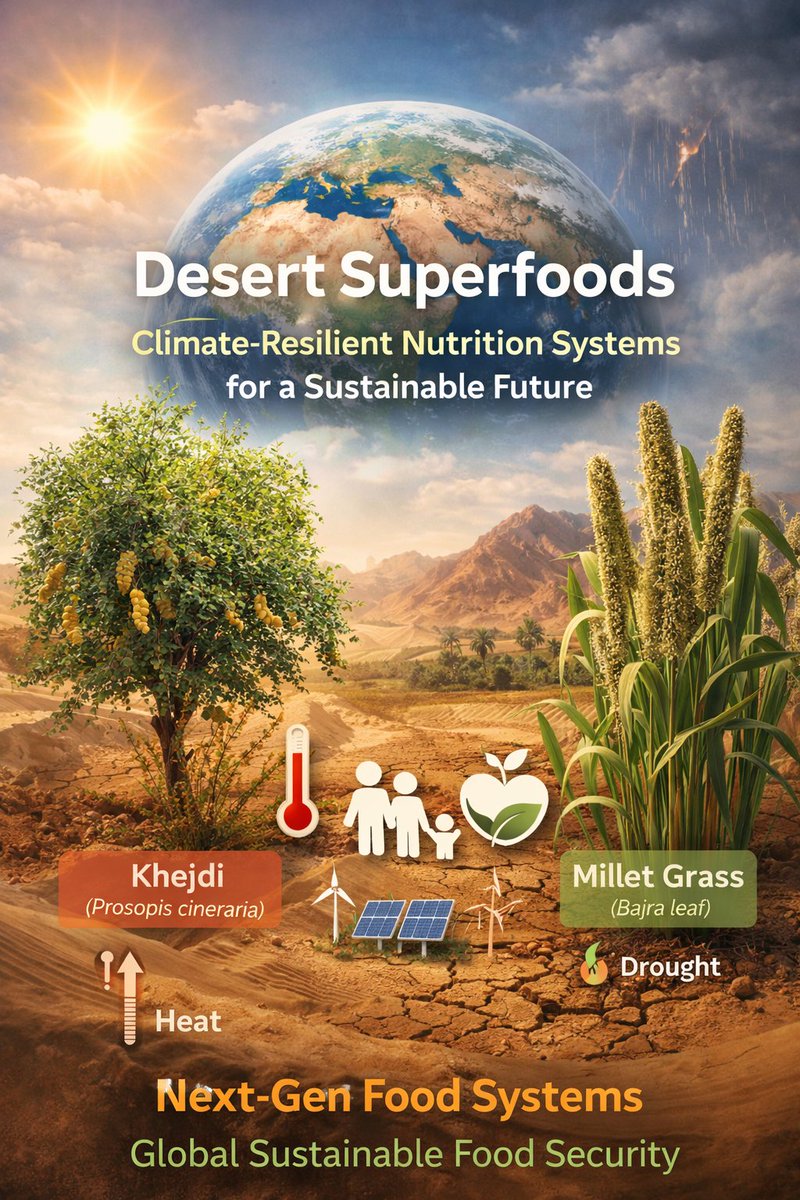
The 2026 Resilience Roundup: 8 Foods Leading the Charge
By 2026, a handful of foods are poised to become staples in American kitchens, not just because they’re healthy, but because they're built to endure. These aren’t necessarily "new’ foods—many have deep roots in traditional diets—but they"re experiencing a resurgence as we confront the realities of climate change.
First, Sorghum. This ancient grain, originating in Africa, is incredibly drought-tolerant and can thrive in areas where corn and wheat struggle. It’s gluten-free, packed with antioxidants, and increasingly used in flour, porridge, and even alcoholic beverages. Then there are Tepary Beans, a Southwestern staple for centuries among Indigenous communities. These beans require very little water and can withstand extreme heat, offering a protein-rich alternative to other legumes.
Next, Black Beluga Lentils. These small, black lentils are not only visually striking but also remarkably resilient, requiring less water than many other lentil varieties. They cook quickly and have a rich, earthy flavor. Amaranth, another ancient grain, is a complete protein source and thrives in poor soil conditions. It’s been a staple in the Andes for millennia and is now gaining popularity as a nutritious and sustainable alternative to quinoa.
Don't overlook Seaweed (various types like nori, wakame, and kombu). Aquaculture of seaweed is incredibly sustainable, requiring no freshwater or land-based fertilizers. It’s a fantastic source of iodine and other minerals. We are also seeing the rise of Drought-Tolerant Wheat Varieties. Breeders are developing wheat strains that can withstand prolonged drought conditions, ensuring a more stable supply of this essential grain.
Bambara Groundnut, often called the "voandzeia’ in Africa, is a legume that thrives in hot, dry climates. It"s highly nutritious and can even fix nitrogen in the soil, improving soil health. And finally, Perennial Rice is showing promise as a more sustainable alternative to annual rice varieties. Its deep root system makes it more drought-resistant and reduces the need for tilling, which helps to sequester carbon in the soil. These foods represent a shift towards a more secure and sustainable food future.
Sorghum's Surge: From Animal Feed to Pantry Staple
For decades, sorghum was largely relegated to animal feed. But that’s changing rapidly. The increasing demand for drought-resistant crops, coupled with its impressive nutritional profile, is driving sorghum’s surge in popularity. There are numerous varieties, each with unique characteristics. For example, kafir sorghum is known for its high tannin content, which contributes to its drought tolerance, while durra sorghum is favored for its larger grain size.
Chefs are experimenting with sorghum in everything from salads and side dishes to baked goods and even beer. Companies like NuSorghum are actively promoting the grain and working with farmers to increase production. Sorghum flour is a fantastic gluten-free alternative, offering a slightly sweet and nutty flavor. It can be used in pancakes, muffins, and breads, often blended with other flours for optimal texture.
However, wider adoption faces some hurdles. Processing infrastructure for sorghum is still developing in many areas. Milling sorghum into flour can be more challenging than processing wheat or corn. But as demand increases, we can expect to see improvements in processing technology and availability. Resources like the National Sorghum Producers website (sorghumgrowers.com) offer recipes, information, and connections to sorghum farmers and processors.
- Sorghum Salad: Combine cooked sorghum with roasted vegetables, herbs, and a lemon vinaigrette.
- Sorghum Flour Pancakes: Substitute sorghum flour for a portion of the wheat flour in your favorite pancake recipe.
- Sorghum Porridge: A hearty and nutritious breakfast option, similar to oatmeal.
Seaweed's Potential: More Than Just Sushi
For too long, seaweed has been viewed as a niche ingredient, primarily associated with Asian cuisine. But its potential extends far beyond sushi and miso soup. Seaweed aquaculture is one of the most sustainable forms of food production. It requires no freshwater, no fertilizers, and even helps to absorb carbon dioxide from the atmosphere and filter water. It’s a truly regenerative practice.
Different types of seaweed offer unique flavors and textures. Nori is the familiar dried seaweed used for sushi rolls. Wakame is often found in miso soup and salads. Kombu is a key ingredient in dashi, a Japanese broth. Dulse has a slightly peppery flavor and can be eaten as a snack or added to salads. Nutritionally, seaweed is a powerhouse, providing iodine, calcium, iron, and a range of vitamins and minerals.
One common concern is iodine levels – consuming too much iodine can be harmful. But this is easily managed by consuming seaweed in moderation. We’re seeing innovative uses for seaweed in food products, from snacks and seasonings to plant-based meat alternatives. Companies like Ocean Harvest Technology are exploring seaweed-based ingredients for a variety of applications. It's a versatile ingredient with a bright future.
The Role of Indigenous Knowledge
The rediscovery of climate-resilient foods is not a new revelation; it’s a return to ancestral wisdom. For generations, Indigenous communities around the world have cultivated and relied on these foods, developing a deep understanding of their resilience and nutritional value. Their traditional ecological knowledge (TEK) is invaluable in navigating the challenges of a changing climate.
Take Tepary Beans, for instance. Indigenous communities in the Southwestern United States have been growing these beans for over 5,000 years, adapting them to the arid conditions of the desert. They understood the importance of selecting seeds from plants that thrived in drought conditions, preserving genetic diversity and ensuring a stable food supply. Similar stories can be found with sorghum in Africa and amaranth in the Andes.
Successful collaborations between scientists and Indigenous farmers are crucial. These partnerships should be based on mutual respect and benefit-sharing, ensuring that Indigenous communities retain control over their knowledge and resources. It’s vital to avoid cultural appropriation and to prioritize the needs and perspectives of those who have been stewards of these lands and foods for generations.
Growing Your Own Resilience: Backyard & Community Options
You don’t need a farm to incorporate climate-resilient foods into your diet. Even a small backyard garden or a few containers on a balcony can make a difference. Sorghum, amaranth, and tepary beans are relatively easy to grow, even for beginners. Local nurseries and seed companies can provide guidance on selecting varieties that are suited to your climate.
Community gardens offer another excellent opportunity to grow your own food and connect with others. They provide access to land, tools, and knowledge, and can foster a sense of community resilience. Look for local seed swaps and gardening workshops to learn new skills and share resources. Resources like the USDA’s National Gardening Association website (garden.org) offer helpful information and support.
Addressing challenges like soil health and water conservation is essential. Compost can improve soil fertility and water retention. Mulching can help to suppress weeds and conserve moisture. Rainwater harvesting can provide a sustainable source of irrigation. Small steps can add up to big impacts.
Beyond the Plate: Systemic Changes Needed
While individual choices are important, they’re not enough to address the systemic challenges facing our food system. We need policy changes that support sustainable agriculture, investment in agricultural research, and shifts in consumer behavior. This includes incentivizing farmers to adopt climate-resilient practices, promoting agroecological farming methods, and reducing food waste.
Food companies and retailers also have a role to play. They can prioritize sourcing climate-resilient foods, investing in processing infrastructure, and educating consumers about the benefits of sustainable diets. The USDA Climate Hubs are actively working to build climate resilience across the food system, providing resources and support to farmers and researchers.
Ultimately, building a more resilient food system requires a collective effort. It’s about recognizing the interconnectedness of our food, our environment, and our communities. It’s about prioritizing long-term sustainability over short-term profits. It's about learning from the past and embracing the potential of these often-overlooked foods to nourish us and protect our planet.




No comments yet. Be the first to share your thoughts!