
Food as medicine
I remember talking to a friend, Sarah, a few years back. She’d been struggling with anxiety for most of her adult life, cycling through medications with limited success. It wasn’t until she drastically changed her diet – prioritizing whole, unprocessed foods – that she truly began to feel like herself again. Her story isn’t unique. Increasingly, we’re seeing a shift in how we approach mental wellbeing, moving beyond solely relying on pharmaceutical interventions.
This change is crystallizing into what’s being called the "Mental Health Nutrition Protocol 2026’ – a proactive approach that prioritizes the power of food. It"s about understanding that what we eat directly impacts our brain health and mood regulation. The focus is shifting from simply treating symptoms to addressing the root causes through targeted nutrition.
The groundwork for this shift is even being laid in legislation. The Nutrition CARE Act of 2025 (H.R.2495), currently before Congress, aims to expand access to medical nutrition therapy, including nutritional counseling for mental health conditions. While the Act’s future is uncertain, it signals a growing recognition of the importance of nutrition in overall healthcare. This isn’t about a quick fix; it's about a fundamental change in how we think about and support our mental wellbeing.
The gut-brain connection
The gut and the brain talk to each other constantly through the vagus nerve. It is a two-way street: your gut sends signals that change your mood, and your brain sends signals that change your digestion.
The gut microbiome – the trillions of bacteria, fungi, and other microorganisms living in your digestive system – plays a surprisingly large role in neurotransmitter production. These neurotransmitters, like serotonin, dopamine, and GABA, are chemical messengers that regulate mood, sleep, and overall mental health. A healthy gut microbiome supports optimal neurotransmitter production, while an imbalanced one can disrupt it.
Research published in PMC demonstrates a strong correlation between dietary improvement and reduced symptoms of depression and anxiety. While the exact mechanisms are still being investigated, studies show that dysbiosis – an imbalance in gut bacteria – is frequently observed in individuals with anxiety and depression. It’s not just the gut, of course. Genetics, stress, and lifestyle all contribute, but a healthy gut is undoubtedly a crucial piece of the puzzle.
- The vagus nerve links the gut and brain directly.
- Gut microbiome impacts neurotransmitter production (serotonin, dopamine, GABA).
- Dysbiosis is linked to increased risk of anxiety and depression.
Core food groups for 2026
The Mental Health Nutrition Protocol 2026 centers around prioritizing specific food groups known to support brain health and mood regulation. It's not about deprivation, but about abundance – focusing on what to add to your diet, rather than what to take away.
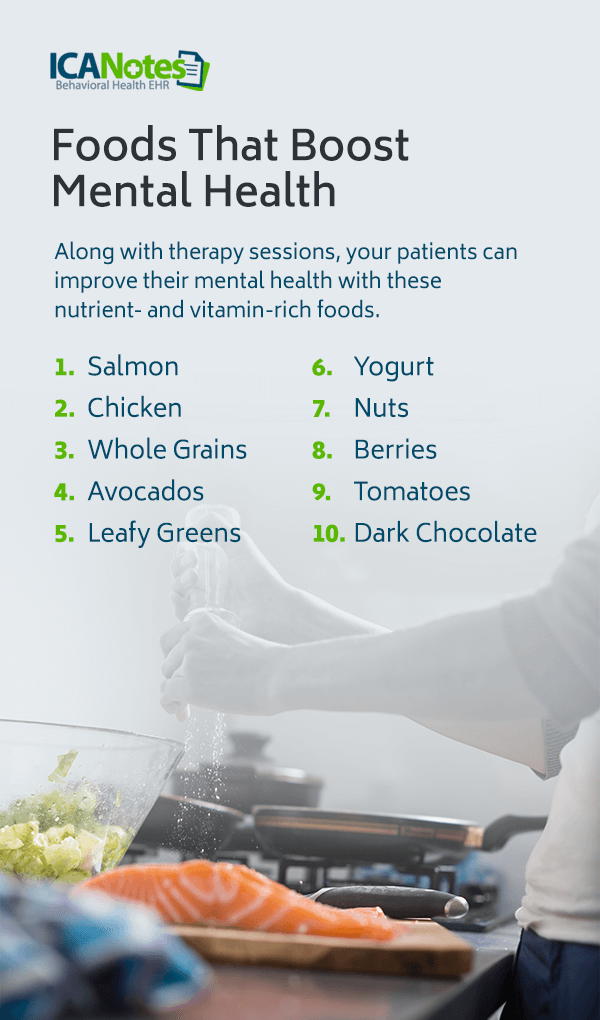
Let’s start with fermented foods. Kimchi, sauerkraut, kefir, and yogurt (with live cultures) are all excellent sources of probiotics – beneficial bacteria that support a healthy gut microbiome. Aim for 2-3 servings per week. Next are omega-3 rich foods. Wild salmon, flaxseeds, chia seeds, and walnuts provide essential fatty acids crucial for brain function and reducing inflammation. Try to include fatty fish at least twice a week.
Magnesium-dense foods are also vital. Magnesium plays a role in stress regulation and nerve function. Dark leafy greens (spinach, kale), avocados, and even a small square of dark chocolate (70% cacao or higher) are good sources. Finally, don’t overlook tryptophan sources. Turkey, eggs, seeds, and nuts contain tryptophan, an amino acid that’s a precursor to serotonin. A balanced diet with adequate protein intake is key.
Serving sizes matter. Aim for a half-cup of sauerkraut or four ounces of salmon. I've found that eating these daily works better than having a 'superfood' meal once a week. I plan my week around these ingredients so I don't have to think about it when I'm tired.
Foods to minimize
This protocol isn’t about strict elimination, but about mindful reduction. Certain foods can contribute to inflammation and mood instability, and reducing their intake can have a positive impact. Processed foods, high in sugar, unhealthy fats, and artificial additives, are a primary culprit. They provide little nutritional value and can disrupt gut health.
Refined sugars are another area to focus on. Excessive sugar intake can lead to blood sugar spikes and crashes, contributing to mood swings, irritability, and anxiety. It’s not about never enjoying a treat, but about being mindful of your sugar consumption. Excessive caffeine can also exacerbate anxiety symptoms in some individuals. Pay attention to how caffeine affects you and adjust your intake accordingly.
Emerging research also suggests that artificial sweeteners may negatively impact gut health. While more studies are needed, it’s worth considering reducing or eliminating them from your diet. The goal is to create a dietary pattern that supports stable blood sugar levels, reduces inflammation, and promotes a healthy gut microbiome. It’s about making informed choices, not feeling deprived.
The power of phytochemicals
While macronutrients (proteins, carbs, fats) are essential, the power of phytochemicals – naturally occurring compounds found in plants – often goes overlooked. These compounds offer a range of health benefits, including antioxidant and anti-inflammatory effects, which are particularly important for mental health.
Polyphenols, found in abundance in berries, green tea, and dark chocolate, are potent antioxidants that protect brain cells from damage. Curcumin, the active compound in turmeric, has shown promise in boosting brain-derived neurotrophic factor (BDNF), a protein that supports the growth and survival of brain cells. Incorporating turmeric into your cooking, or taking a curcumin supplement (with black pepper for enhanced absorption), can be beneficial.
Sulforaphane, found in broccoli sprouts, possesses detoxification properties and may help protect against oxidative stress. These phytochemicals aren’t just "nice to haves’ – they actively contribute to brain health and resilience. They work synergistically with other nutrients to support optimal mental wellbeing. I"m not a biochemist, but the potential benefits are clear.
- Polyphenols: Berries, green tea – Antioxidant & anti-inflammatory effects
- Curcumin: Turmeric – Boosts BDNF (brain-derived neurotrophic factor)
- Sulforaphane: Broccoli sprouts – Detoxification properties
Phytochemicals & Mood
| Phytochemical | Food Sources | Potential Benefits for Mental Health | Ease of Incorporation into Diet |
|---|---|---|---|
| Omega-3 Fatty Acids | Fatty fish (salmon, mackerel, sardines), flaxseeds, chia seeds, walnuts | May support brain health and reduce symptoms of depression. Research suggests a role in mood regulation. | Moderate |
| Magnesium | Dark leafy greens (spinach, kale), nuts, seeds, whole grains, dark chocolate | Plays a role in nerve function and may help reduce anxiety. Deficiency is linked to increased risk of depression. | Easy |
| Zinc | Oysters, beef, pumpkin seeds, cashews, chickpeas | Important for neurotransmitter function and may influence mood. Low zinc levels have been observed in individuals with depression. | Moderate |
| Vitamin D | Fatty fish, egg yolks, fortified foods, sunlight exposure | Linked to serotonin production and may play a role in Seasonal Affective Disorder (SAD) and general mood regulation. | Moderate |
| Polyphenols | Berries, grapes, green tea, dark chocolate, olive oil | Possess antioxidant and anti-inflammatory properties that may protect brain cells and improve mood. Specific polyphenols like resveratrol are being studied. | Easy |
| Tryptophan | Turkey, chicken, eggs, nuts, seeds, tofu | Precursor to serotonin, a neurotransmitter that regulates mood. Dietary intake can influence serotonin levels. | Moderate |
| B Vitamins (Folate, B6, B12) | Leafy green vegetables, legumes, eggs, meat, fortified cereals | Essential for brain function and neurotransmitter synthesis. Deficiencies can contribute to mood disorders. | Easy |
Illustrative comparison based on the article research brief. Verify current pricing, limits, and product details in the official docs before relying on it.
Whole food vs. supplements
The question of supplements versus food is a common one. While supplements can play a role in addressing specific nutrient deficiencies, the Mental Health Nutrition Protocol 2026 prioritizes obtaining nutrients from whole foods whenever possible. This is because the bioavailability – the extent to which a nutrient is absorbed and utilized by the body – is often higher in food.
Take Vitamin D, for example. While supplementation is often recommended, studies suggest that Vitamin D obtained from food sources, like fatty fish, may be more effectively utilized by the body. The same applies to Magnesium and B vitamins. Supplements can be helpful in "filling gaps’ if you have a confirmed deficiency, but they shouldn"t be the foundation of your mental health strategy.
Food provides a mix of nutrients that work together in ways a single pill can't. I use supplements to fill specific gaps, not as a foundation. I suggest starting with the plate and only adding capsules if a blood test shows you're actually low on something.
Personalizing the protocol
It’s crucial to understand that there’s no one-size-fits-all approach to mental health nutrition. Factors like genetics, lifestyle, existing health conditions, and even your gut microbiome composition all play a role. What works for one person may not work for another.
Working with a registered dietitian or nutritionist is highly recommended. They can help you create a personalized plan based on your individual needs and goals. Food sensitivity testing can be a useful tool, but it’s important to approach it with caution. The accuracy of these tests can vary, and the results should be interpreted in the context of your overall health.
Ultimately, the most important thing is to listen to your body. Pay attention to how different foods make you feel, both physically and mentally. Keep a food journal, experiment with different dietary patterns, and find what works best for you. This is a journey of self-discovery, and it requires patience and self-compassion.





No comments yet. Be the first to share your thoughts!