
Ozempic and food: a 2026 update
If you are taking Ozempic, your diet needs to change to match how the medication works. This isn't a replacement for medical advice, so keep your doctor in the loop before making major shifts. The goal is to build an eating plan that supports the medication rather than fighting against its side effects.
Ozempic works as a GLP-1 receptor agonist, which essentially means it mimics a natural hormone in your body that regulates appetite and digestion. It slows down gastric emptying – how quickly food leaves your stomach – and increases insulin release when blood sugar is high. This can lead to feeling fuller for longer and, ultimately, weight loss. But the medication is most effective when combined with changes to your eating habits.
The December 2025 article from Take Care by Hers offered a good starting point for understanding what to eat on Ozempic, focusing on protein and fiber. However, as research evolves and we move into 2026, we can refine this guidance. This guide will give you a more comprehensive look at the best foods to focus on, and which ones to be mindful of, to maximize your results and minimize potential side effects.
Let's be clear: Ozempic isn’t a magic bullet. It’s a tool, and like any tool, it’s only as good as the person using it. Successful, lasting weight loss requires a commitment to healthy eating and a lifestyle that supports your goals. This isn’t about deprivation; it's about making informed choices that work with your body and your medication.
Prioritizing protein
Protein helps you keep muscle while the weight comes off. If you lose too much muscle, your metabolism drops, making it harder to maintain progress. Since Ozempic already reduces your appetite, eating protein first ensures you get the nutrients you need before you feel full.
Aim for a protein intake of 0.8 to 1.2 grams of protein per kilogram of body weight. If you're physically active, you'll likely need to be on the higher end of that range. For example, a 70kg (154lbs) person should aim for 56-84 grams of protein per day. It's easy to underestimate, so tracking your intake for a few days can be really eye-opening.
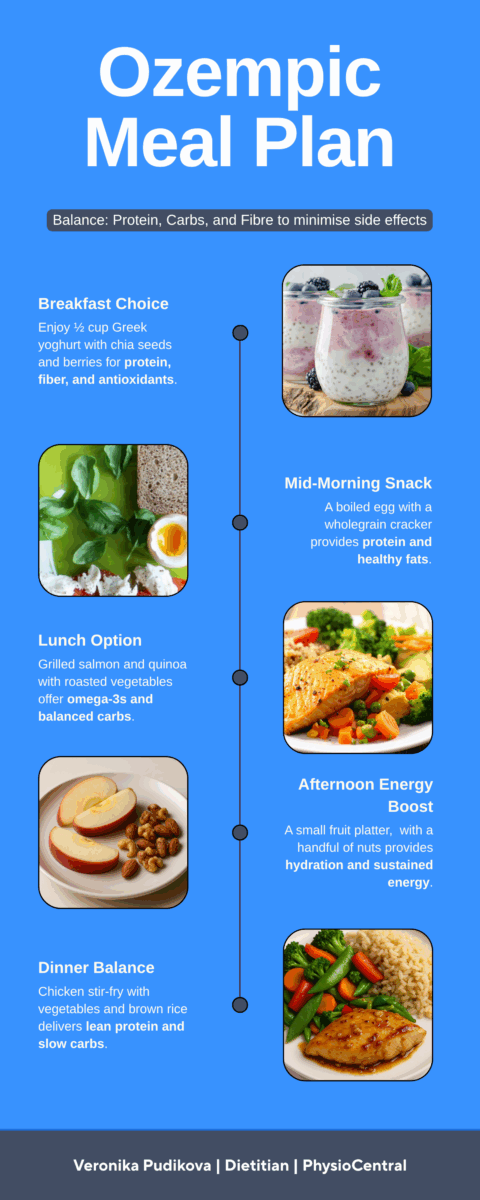
Excellent protein sources include lean meats like chicken breast and turkey, fish (salmon, tuna, cod), eggs, Greek yogurt, tofu, and legumes like lentils and chickpeas. Don't shy away from incorporating these into every meal. A breakfast of Greek yogurt with berries, a lunch of grilled chicken salad, and a dinner of baked salmon with quinoa are all great examples.
Consider spreading your protein intake throughout the day. Instead of trying to get most of your protein in one large meal, aim for 20-30 grams at each meal. This can help with satiety and better utilization of the protein. I've found that preparing protein sources in advance – like batch cooking chicken or hard-boiling eggs – makes it much easier to stay on track.
- Three ounces of chicken breast provides 26g of protein.
- Salmon (3oz): 22g protein
- Greek Yogurt (1 cup): 20g protein
- Lentils (1 cup, cooked): 18g protein
- Eggs (large, 2): 12g protein
Protein, Calorie, and Fat Content of Common Foods (per 100g Serving)
| Food | Protein (g) | Calories | Fat (g) |
|---|---|---|---|
| Chicken Breast (skinless) | 31 | 165 | 3.6 |
| Salmon (Atlantic) | 20 | 208 | 13 |
| Lentils (cooked) | 9 | 115 | 0.4 |
| Tofu (firm) | 8 | 76 | 4.8 |
| Greek Yogurt (plain, non-fat) | 10 | 59 | 0.4 |
| Eggs (large, cooked) | 13 | 155 | 11 |
Illustrative comparison based on the article research brief. Verify current pricing, limits, and product details in the official docs before relying on it.
Fiber and digestion
Fiber works synergistically with Ozempic to promote weight loss and improve digestive health. Because Ozempic slows down gastric emptying, fiber further contributes to that feeling of fullness, helping you eat less overall. Fiber also helps regulate blood sugar levels, preventing spikes and crashes that can lead to cravings.
There are two main types of fiber: soluble and insoluble. Soluble fiber dissolves in water, forming a gel-like substance in your gut, which slows down digestion. Insoluble fiber adds bulk to your stool, promoting regularity. Both types are beneficial, so aim to get a variety from your diet.
Excellent sources of fiber include vegetables like broccoli, spinach, and Brussels sprouts, fruits like berries, apples, and pears (with the skin on!), whole grains like quinoa, oats, and brown rice, and legumes like beans and chickpeas. I recommend gradually increasing your fiber intake to avoid digestive discomfort.
Increasing fiber intake too quickly can lead to bloating, gas, and even constipation. Start by adding a small amount of fiber to your diet each day and gradually increase it over several weeks. Drinking plenty of water is also crucial, as fiber absorbs water and needs it to work effectively. We need to be honest about potential side effects, and proactive about managing them.
- Broccoli, spinach, and Brussels sprouts are high-fiber vegetable options.
- Fruits: Berries, apples, pears
- Whole Grains: Quinoa, oats, brown rice
- Legumes: Beans, chickpeas
Hydration needs
Staying adequately hydrated is absolutely critical while on Ozempic, and it's something people often overlook. Ozempic can sometimes cause dehydration due to its effects on digestion and fluid balance. Water aids in digestion, prevents constipation (which can be a side effect of Ozempic), and supports overall metabolic function.
A general guideline is to drink at least half your body weight in ounces of water per day. So, if you weigh 150 pounds, aim for at least 75 ounces of water. If you’re physically active, you’ll need to drink even more. Pay attention to your thirst cues and drink throughout the day, even if you don’t feel thirsty.
Make water more appealing by carrying a reusable water bottle with you, infusing it with fruit slices (lemon, cucumber, berries), or drinking herbal tea. I find that having a visual reminder – like a large water bottle on my desk – helps me stay on track. It's a simple habit that makes a big difference.
Talk to your doctor about electrolytes if you feel dizzy or fatigued. While a balanced diet usually covers the basics, some people need specific supplements if they struggle to stay hydrated on the medication.
Foods to limit
This isn't about labeling foods as "bad’ or ‘forbidden.’ It"s about understanding how certain foods might interact with Ozempic and potentially hinder your progress or exacerbate side effects. The goal is mindful consumption, not restriction.
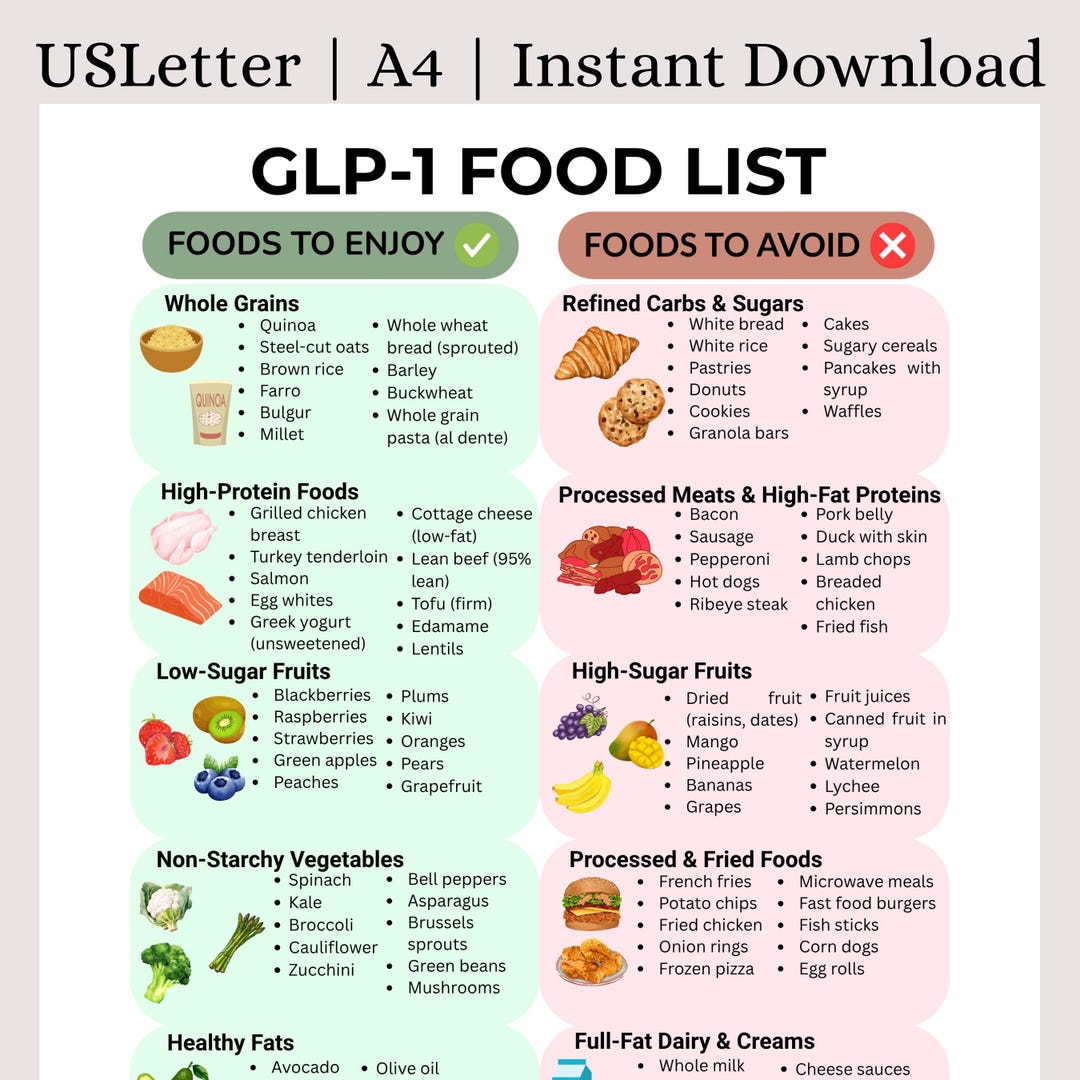
High-fat foods can slow down digestion even further, potentially leading to nausea and discomfort. While you don’t need to eliminate fat entirely, be mindful of portion sizes and choose healthier fats like those found in avocados, nuts, and olive oil. Sugary drinks offer empty calories and can cause blood sugar spikes, which counteract the benefits of Ozempic. Opt for water, herbal tea, or unsweetened beverages instead.
Processed foods are often low in nutrients and high in unhealthy fats, sugar, and sodium. They can also cause digestive upset. Focus on whole, unprocessed foods whenever possible. Excessive alcohol can interact with Ozempic and may worsen side effects. If you choose to drink alcohol, do so in moderation and discuss it with your doctor.
It's about understanding the why behind these recommendations. High-fat foods slow digestion, sugar spikes blood sugar, processed foods lack nutrients, and alcohol can interact with medication. Making informed choices empowers you to take control of your health.
A sample meal plan
Meal planning is your secret weapon for success on Ozempic. It helps you stay on track with your protein and fiber goals, avoid impulsive unhealthy choices, and ensure you’re getting the nutrients you need. Planning ahead takes the guesswork out of eating and reduces the likelihood of derailing your progress.
Here’s a sample meal plan for a week, keeping in mind the principles we’ve discussed: Monday: Breakfast: Greek yogurt with berries and a sprinkle of nuts. Lunch: Salad with grilled chicken and quinoa. Dinner: Baked salmon with roasted vegetables. Tuesday: Breakfast: Oatmeal with protein powder and fruit. Lunch: Turkey breast sandwich on whole-wheat bread with avocado. Dinner: Lentil soup with a side salad. Wednesday: Breakfast: Eggs with spinach and whole-wheat toast. Lunch: Leftover lentil soup. Dinner: Chicken stir-fry with brown rice.
Continue this pattern, varying your protein sources and incorporating plenty of vegetables and whole grains. Don’t be afraid to repeat meals you enjoy – consistency is key. Prepare ingredients in advance – chop vegetables, cook grains, and portion out protein – to make meal preparation easier during the week.
Simplicity is key. Don't try to create elaborate, complicated meals. Focus on easy-to-prepare recipes with whole, unprocessed ingredients. There are countless resources online for healthy recipes – explore and find ones that you enjoy. I've found that having a few go-to recipes makes meal planning much less daunting.
What's your biggest challenge when trying to eat healthy while on Ozempic?
Vote below and share which obstacle affects your eating habits the most while using Ozempic.

No comments yet. Be the first to share your thoughts!