
A changing plate
Droughts are hitting harder in 2026. Traditional farming regions are struggling to keep up, making common staples more expensive at the grocery store. We are seeing these shifts in real-time as water becomes a luxury in fields that used to be reliable.
At Extreme Health USA, we’ve been tracking these shifts closely. We’re not interested in fleeting "superfood’ trends driven by marketing hype. Instead, we"re focusing on foods that are demonstrably resilient – those that can thrive even as the climate changes. This means looking beyond the familiar and embracing crops that have historically been cultivated in arid and semi-arid regions.
The focus now is on building a food system that can withstand these challenges. That means prioritizing drought-resistant crops, supporting sustainable farming practices, and diversifying our diets. It’s about recognizing that the foods we choose to eat have a direct impact on the health of the planet, and on our own well-being.
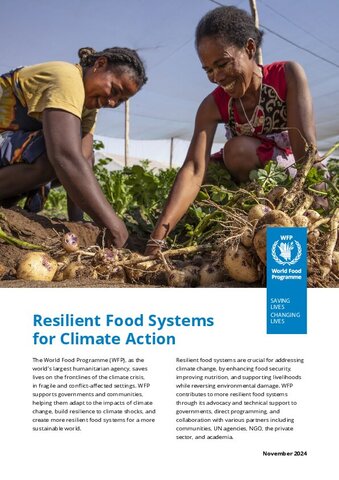
Ten crops that handle the heat
Here are ten foods proving particularly resilient in the face of increasing drought conditions. These aren’t just surviving; in many cases, they’re thriving where other crops are failing. Each offers a unique nutritional profile and can be easily incorporated into a healthy diet. We’ll look at their benefits, how they handle water scarcity, where they’re grown, and how you can start enjoying them today.
Drought resistance is a spectrum. These crops survive on a fraction of the water needed for almonds or rice. Most have deep roots that find moisture in dry soil, a trait developed through centuries of selective farming in arid regions.
- Sorghum: An ancient grain with a mild, slightly sweet flavor.
- Millet: A versatile grain that comes in various types, each with a unique texture and taste.
- Tepary Beans: A nutrient-rich legume that can withstand extreme heat and drought.
- Cowpeas (Black-Eyed Peas): Another drought-tolerant legume, packed with protein and fiber.
- Amaranth: A pseudo-grain with a nutty flavor and a complete protein profile.
- Quinoa: A popular pseudo-grain known for its complete protein and versatility.
- Cactus (Prickly Pear): The pads and fruits are edible and high in fiber.
- Moringa: A tree whose leaves are incredibly nutrient-dense, often called the 'miracle tree'.
- Bambara Groundnut: A West African legume that’s highly drought-resistant and protein-rich.
- Drought-Tolerant Sweet Potatoes: Certain varieties are bred to withstand drier conditions.
Sorghum: the ancient grain's comeback
Sorghum has been cultivated for thousands of years, originating in Northeast Africa. It was a staple food in many parts of Africa and Asia long before wheat and rice gained prominence. Today, it’s experiencing a resurgence in popularity as a gluten-free grain and a sustainable alternative to more water-intensive crops.
Nutritionally, sorghum is impressive. A half-cup of cooked sorghum provides about 6 grams of protein and 5 grams of fiber. It’s also a good source of iron, magnesium, and antioxidants. Sorghum flour is increasingly used in gluten-free baking, and the whole grain can be cooked like rice or used to make porridge.
The plant itself is remarkably drought-tolerant, thanks to its deep root system and ability to efficiently use water. It’s currently grown in parts of Africa, Asia, Australia, and the United States, particularly in the Great Plains region. Its resilience makes it a vital crop for food security in areas prone to drought.
Farming for dry soil
Choosing drought-resistant foods is only part of the solution. How those foods are grown matters just as much. The USDA Climate Hubs are doing important work on diversifying production practices to build climate resilience. Techniques like dryland farming, which minimizes reliance on irrigation, are crucial.
Water harvesting – collecting and storing rainwater – is another effective strategy. Agroforestry, integrating trees and shrubs into agricultural systems, can also help conserve water, improve soil health, and provide shade for crops. These practices aren't new; they're often based on traditional farming methods adapted to arid environments.
Crop diversification is also key. Planting a variety of crops, rather than relying on monocultures, helps to build resilience to pests, diseases, and climate shocks. Supporting farmers who are adopting these sustainable practices is essential for ensuring a secure and healthy food supply. You can
Nutrient density and water costs
Let’s look at how these drought-resistant foods stack up nutritionally against some of the more water-intensive options we often consume. Consider almonds, a popular but thirsty crop. A one-ounce serving of almonds provides about 6 grams of protein and 3.5 grams of fiber, but requires roughly 80 gallons of water to produce. In contrast, a one-ounce serving of sorghum provides 5 grams of protein and 6 grams of fiber, and requires significantly less water.
Similarly, avocados, another water-intensive fruit, offer healthy fats but come at a high environmental cost. A single avocado can require upwards of 185 gallons of water to grow. Bambara groundnuts, on the other hand, are incredibly drought-tolerant and provide a comparable amount of protein and fiber per serving.
This isn’t about demonizing almonds or avocados. It’s about broadening our dietary horizons and recognizing the value of incorporating more resilient foods into our meals. By choosing these options, we can reduce our water footprint and support a more sustainable food system.
- Sorghum (1/2 cup cooked): 6g Protein, 5g Fiber, ~30 gallons water to produce
- Almonds (1 oz): 6g Protein, 3.5g Fiber, ~80 gallons water to produce
- Bambara Groundnut (1/2 cup cooked): 7g Protein, 6g Fiber, ~20 gallons water to produce
- Avocado (1 medium): 2g Protein, 10g Fiber, ~185 gallons water to produce
Nutritional Comparison: Drought-Resilient Superfoods vs. Common Choices (per 100g)
| Food | Calories | Protein (g) | Fiber (g) | Vitamin C (mg) | Potassium (mg) | Estimated Water Footprint (L) |
|---|---|---|---|---|---|---|
| Sorghum | 329 | 11 | 6.7 | 3 | 318 | Around 600 |
| Millet | 344 | 14 | 8.5 | 2 | 300 | Around 550 |
| Amaranth | 371 | 13.6 | 6.7 | 3 | 500 | Around 450 |
| Teff | 367 | 13.3 | 8 | 0 | 410 | Around 300 |
| Cowpeas | 341 | 23 | 8.3 | 3 | 670 | Around 800 |
| Prickly Pear Cactus | 56 | 1.5 | 7 | 10 | 270 | Very Low (highly drought tolerant) |
| Jerusalem Artichokes | 73 | 2 | 1.6 | 2 | 429 | Around 300 |
| Chickpeas | 164 | 19 | 17 | 5 | 470 | Around 1500 |
| Almonds (Comparison) | 579 | 21 | 12.5 | 3.7 | 733 | Around 8100 |
| Avocado (Comparison) | 160 | 2 | 7 | 10 | 485 | Around 740 |
Illustrative comparison based on the article research brief. Verify current pricing, limits, and product details in the official docs before relying on it.
Recipes & Getting Started
Ready to start incorporating these superfoods into your diet? Here are a few simple recipes to get you started. Sorghum porridge is a hearty and nutritious breakfast. Simply cook sorghum grains with water or milk until tender, and add your favorite toppings like fruit, nuts, or honey.
For lunch, try a tepary bean salad. Combine cooked tepary beans with chopped vegetables, herbs, and a light vinaigrette. It’s a refreshing and protein-packed meal. And for a quick and easy snack, blend prickly pear fruit with yogurt and a touch of honey for a vibrant smoothie.
Most of these grains are available at local health food stores or online. Organizations like One Billion Resilient provide data on where these crops are currently being scaled.
- Sorghum Porridge: Cook 1/2 cup sorghum with 2 cups water for 20-25 minutes. Add fruit and nuts.
- Tepary Bean Salad: Combine 1 cup cooked tepary beans with chopped veggies and vinaigrette.
- Prickly pear smoothie: Blend 1 cup prickly pear fruit with 1/2 cup yogurt and honey.



No comments yet. Be the first to share your thoughts!