
A new era of food
A farmer in California, growing almonds for thirty years, recently considered ripping out his orchard due to water restrictions. This wasn't an isolated incident; it signals a broader vulnerability in our food systems facing climate change. We need to rethink what we eat.
Our reliance on a few staple crops like wheat, rice, and corn, grown in specific regions, creates a food system fragile to frequent droughts, floods, and extreme weather. A growing movement towards climate-resilient superfoods offers a solution. These foods can thrive in challenging conditions, providing essential nutrition and building a food system that can flourish with a changing climate.
Researchers are developing solutions. A 2024 guide from pmc.ncbi.nlm.nih.gov proposed a Universal Food Guide for sustainable food systems. This framework allows countries to create guides based on local conditions and nutritional needs, acknowledging global diversity and the need for tailored solutions. Food security now depends on adaptability.
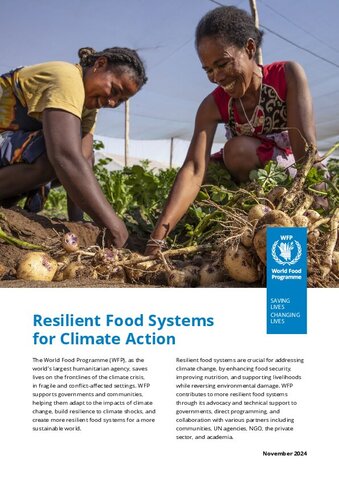
Top 15 climate-resilient superfoods
Here are 15 sustainable superfoods gaining traction for their ability to withstand climate change and deliver exceptional nutritional value. This diverse list includes ancient grains, ocean harvests, and often-overlooked plant-based powerhouses.
Sorghum is a drought-tolerant grain that’s been a staple in Africa and Asia for centuries. It's incredibly versatile – you can use it in porridge, bread, or even brew a beer from it. Millet is another ancient grain with similar benefits, thriving in arid regions and offering a good source of iron and magnesium. Then there’s Amaranth, a complete protein source originally cultivated in the Andes, now gaining popularity worldwide.
Moving beyond grains, Teff is a tiny grain from Ethiopia, packed with calcium and iron. Black beans and chickpeas are legumes that are relatively drought-tolerant and excellent sources of protein and fiber. The ocean provides seaweed, a carbon-sequestering powerhouse rich in iodine and other essential minerals. Mushrooms, particularly those grown on agricultural waste, are also gaining recognition for their nutritional benefits and sustainable production.
Sweet potatoes are remarkably resilient and can grow in poor soil conditions. Cassava, a starchy root vegetable, is a staple food for millions in Africa, Asia, and Latin America, known for its drought tolerance. Jackfruit, a large tropical fruit, is becoming a popular meat substitute due to its texture and versatility. Moringa, often called the "miracle tree", is incredibly nutrient-dense, with leaves that are rich in vitamins and minerals.
Quinoa, originally from the Andes, is a complete protein and thrives at high altitudes. Spirulina, a blue-green algae, is a protein powerhouse and can be grown in various conditions. Finally, we need to look at drought-resistant varieties of common crops like wheat and rice. These are being developed through selective breeding and genetic modification to better withstand climate challenges. It’s a continuous process of adaptation.
These foods are more than just concepts. Experimenting with sorghum flour in baking adds a nutty flavor, and a simple seaweed salad is easy to prepare. Discovering new flavors supports a more sustainable way of eating.
Sorghum and millet: Ancient grains for modern problems
Sorghum and millet are grouped together because both are C4 grasses. They are more efficient at photosynthesis than C3 plants like wheat and rice, especially in hot, dry conditions, leading to higher yields with less water. Cultivated for thousands of years, they formed the backbone of diets in regions where other grains wouldn't grow.
Historically, sorghum was vital in West Africa, while millet was a cornerstone of diets in India and the Sahel region. These grains weren’t just food; they were deeply embedded in cultural traditions and agricultural practices. Now, they’re being rediscovered as sustainable alternatives in a world grappling with climate change. Farmers are seeing the benefits of reduced water usage and increased resilience to drought.
Nutritionally, both grains offer complex carbohydrates, fiber, and protein. Sorghum has slightly higher protein, while millet is richer in iron. They are also gluten-free, suitable for those with celiac disease or gluten sensitivity. Agricultural innovations, including improved varieties with higher yields and disease resistance, are further enhancing their potential.
Seaweed and mushrooms: Ocean and forest offerings
The ocean and forests provide some surprisingly effective climate-resilient foods. Seaweed is a remarkable example. It doesn’t require freshwater, fertilizers, or land, and it actively sequesters carbon dioxide from the atmosphere. Certain species grow incredibly quickly, making it a highly efficient food source. Different types of seaweed offer different nutritional profiles – nori, kombu, wakame – each with its own unique flavor and benefits.
Beyond carbon sequestration, seaweed is a rich source of iodine, vitamins, and minerals. It’s becoming increasingly popular in cuisines around the world, from Japanese sushi to Scandinavian salads. Mushrooms, on the other hand, thrive in shady, moist environments and can be grown on agricultural waste products like straw and wood chips.
This ability to grow on waste makes mushroom cultivation incredibly sustainable. Plus, many mushrooms have medicinal properties, boosting the immune system and providing essential nutrients. There’s also growing interest in mycoremediation, using fungi to clean up polluted soil and water. It’s a fascinating field with the potential to address multiple environmental challenges.
Cultivate Your Own Climate-Resilient Superfoods: Home Mushroom Growing Essentials

All-in-one grow bag designed for dung-loving mushrooms · Includes spore booster for enhanced growth · Made by mycologists for optimal results
This kit provides an easy and effective way for individuals to cultivate their own nutrient-rich mushrooms at home, promoting self-sufficiency and access to sustainable food sources.

Organic mini mushroom grow kit for oyster mushrooms · Harvest gourmet mushrooms in as little as 10 days · USDA Organic certified
This user-friendly kit allows for quick and successful home cultivation of organic oyster mushrooms, making it an accessible entry point for growing superfoods.
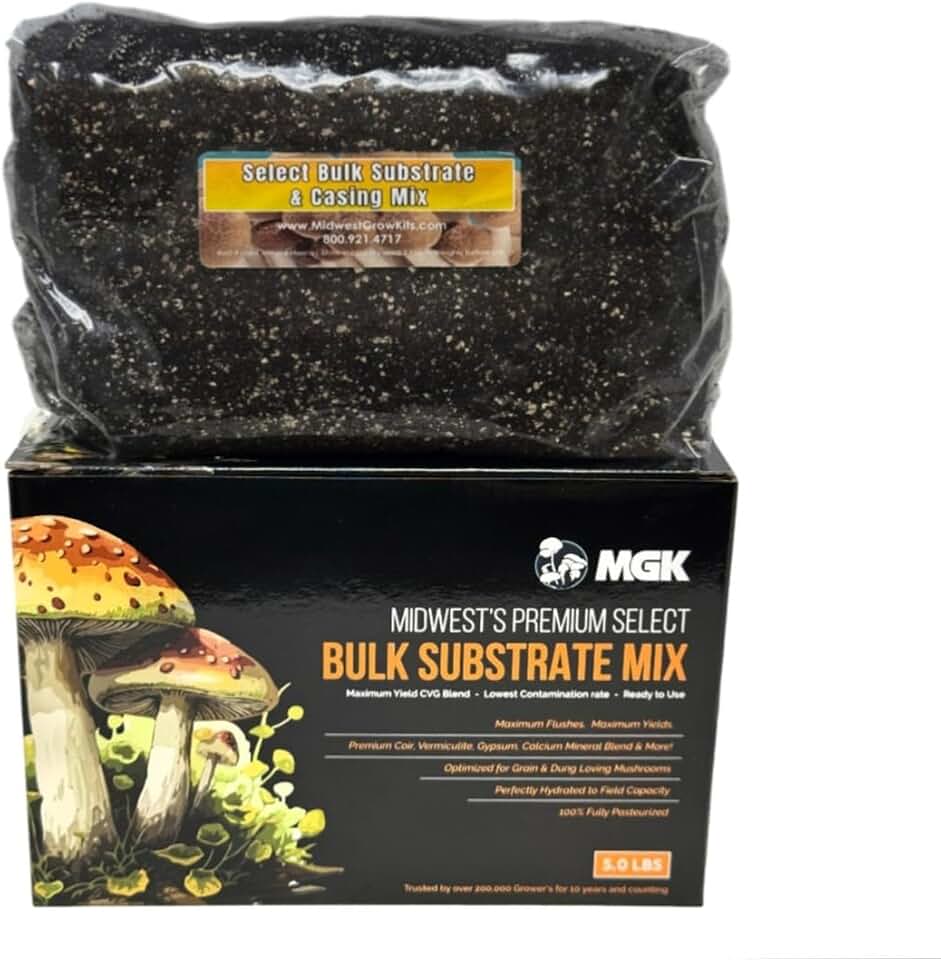
Premium bulk mushroom substrate mix · Fully pasteurized for maximum yield · Suitable for dung and grain-loving mushrooms
This high-quality substrate mix is essential for successful mushroom cultivation, enabling growers to achieve larger yields of nutritious mushrooms with minimal environmental impact.
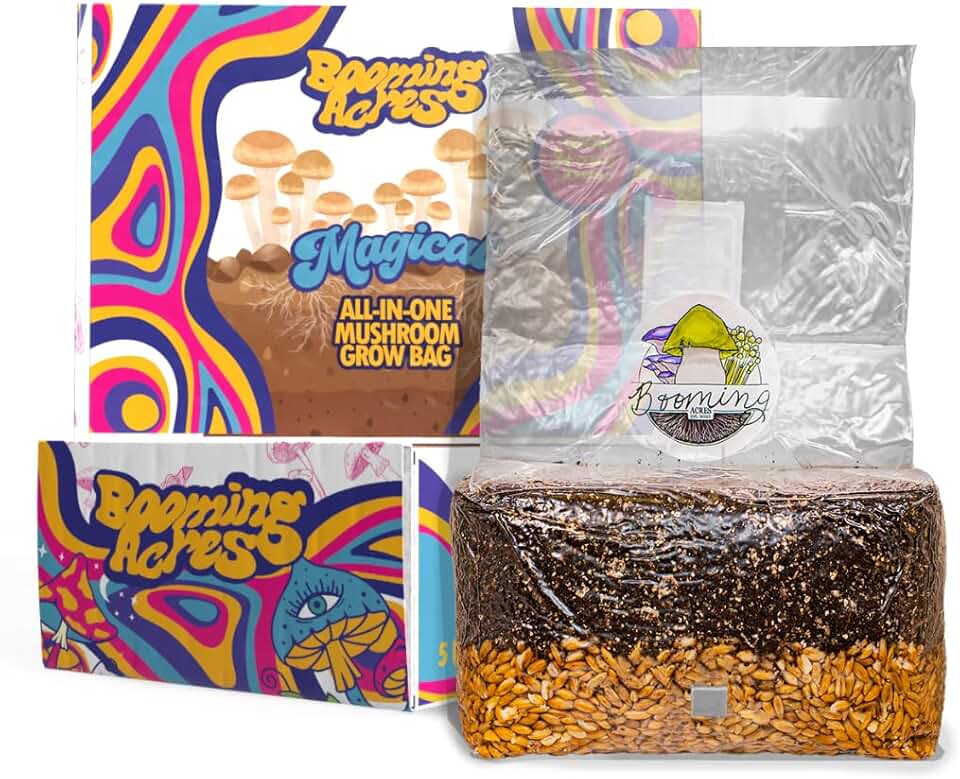
5lb all-in-one mushroom grow bag · Complete mushroom starter kit for home cultivation · Designed for ease of use and successful harvests
This comprehensive grow bag kit simplifies the process of growing mushrooms at home, empowering consumers to produce their own sustainable, protein-packed superfoods.

4x4x80 inch grow tent · High-reflective Mylar interior for optimal light distribution · Features an observation window and floor tray
This durable and efficient grow tent provides a controlled environment for indoor cultivation, supporting the sustainable growth of various climate-resilient crops, including superfood mushrooms.
As an Amazon Associate I earn from qualifying purchases. Prices may vary.
Growing your resilience
Incorporating these superfoods into your diet is straightforward. Look for them at local farmers' markets or health food stores, as demand increases their availability. You can also try growing them yourself, even in a small garden or balcony. Sorghum and millet are relatively easy to grow, and some seaweed can be cultivated in home aquariums.
Support farmers who prioritize sustainable practices by looking for certifications like organic or regenerative agriculture. Extreme Health USA, as stated on their Facebook page, is dedicated to providing access to superfoods and natural dietary supplements, a commitment key to building a more resilient food system.
Access to these foods can be limited in some areas. Explore local alternatives, such as drought-resistant varieties of common crops, or support local food banks and community gardens. Every small step contributes to a more conscious and sustainable relationship with our food.
Jackfruit and moringa standouts
Two superfoods, in particular, stand out for their potential to address global food security challenges: Jackfruit and Moringa. Jackfruit is a large, tropical fruit with a unique texture that makes it an excellent meat substitute. It’s incredibly versatile – you can use it in curries, stir-fries, or even make "pulled pork" from it. It thrives in tropical climates and can produce a significant amount of food per tree.
Moringa, often called the "miracle tree’, is a nutritional powerhouse. Its leaves are packed with vitamins, minerals, and antioxidants. It"s been used for centuries in traditional medicine to treat a variety of ailments. The challenge with both of these foods is scaling up production and ensuring equitable access. But the potential benefits are enormous.
There's a lot of research happening in both areas. Scientists are working to improve jackfruit varieties and develop sustainable farming practices. Moringa is also being explored as a potential solution to combat malnutrition in developing countries. These are foods with the power to make a real difference.
Extreme Health USA's role
Extreme Health USA views climate-resilient superfoods as central to the future of nutrition. As highlighted on extremehealthusa.com, we provide healthy eating tips and access to these beneficial foods, sourcing ingredients from sustainable farms and developing products that promote health and environmental responsibility.
Food can nourish our bodies, protect our planet, and build a more resilient future. This is a continuous process of learning, adapting, and innovating. The shift towards climate-resilient agriculture is happening, and we are part of it.




No comments yet. Be the first to share your thoughts!