
Beyond Chicken Nuggets: Why Plant-Based Protein?
Getting kids to eat anything beyond a few preferred foods can feel like a full-time job. If you're dealing with picky eating, you're not alone. Ensuring your child gets enough protein on top of that can feel exhausting.
Protein is essential for growth and development. While meat and dairy are common sources, plant-based options offer many benefits. Incorporating more plant protein into any diet can be good for the environment, as plant proteins generally have a smaller footprint than animal products. They're also often packed with fiber and other nutrients.
Introducing new foods to a picky eater can feel daunting. This guide focuses on strategies to make adding plant-based protein easier and less stressful. The aim is to gently expand your child's horizons, not overhaul their diet overnight.
This guide explores 20 beginner-friendly plant proteins with practical tips to help even selective eaters find enjoyable options. The focus is on progress and finding ways to nourish your child without constant mealtime
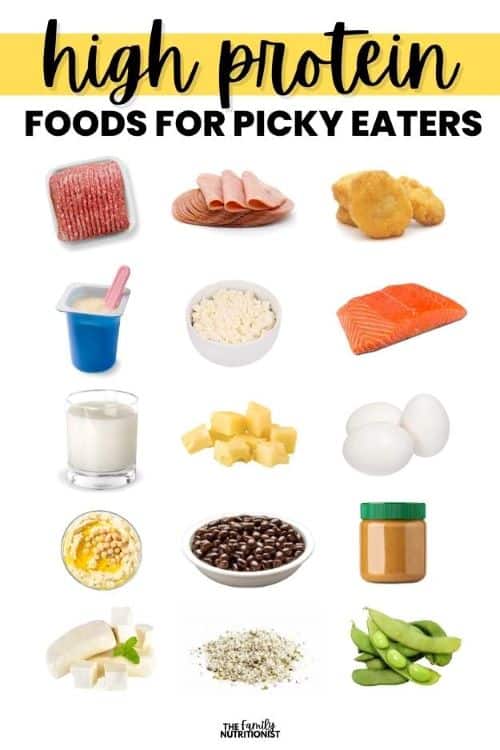
The Picky Eater Playbook: Sneaky Strategies
According to the Children’s Hospital of Philadelphia (CHOP), repeated exposure is absolutely key when dealing with picky eaters. It can take multiple attempts – sometimes 10 or more – before a child will even try a new food. Don’t give up after one rejection! Continue to offer it alongside foods they already like.
Speaking of familiar favorites, that’s your secret weapon. Serve the new food with something your child consistently enjoys. A tiny piece of steamed broccoli next to a pile of mac and cheese is much more likely to be accepted than broccoli served on its own. It’s all about creating a positive association. I learned this the hard way; my attempt to sneak spinach into mac and cheese was met with immediate and dramatic disapproval.
Involving kids in the cooking process can also work wonders. Even simple tasks like washing vegetables or stirring ingredients can make them more invested in the meal. When children feel a sense of ownership, they’re more likely to be willing to try what they’ve helped create. It builds curiosity and reduces anxiety around new foods.
Perhaps most importantly, avoid pressure. Forcing a child to eat something usually backfires, creating negative associations with food and potentially worsening picky eating habits. Let them decide how much (or how little) they want to eat. Your role is to offer healthy options, and theirs is to listen to their own hunger cues.
- Offer new foods alongside familiar favorites.
- Encourage small bites, not full portions.
- Involve children in meal preparation.
- Avoid forcing or pressuring them to eat.
20 Beginner-Friendly Plant Proteins
Okay, let's get to the good stuff. Here are 20 plant-based protein sources that are generally well-received by picky eaters, categorized for easier browsing. Protein content is approximate per serving (typically 1/2 cup or 1/4 cup, depending on the food).
Mild & Creamy: These options tend to be very versatile and have a subtle flavor, making them ideal for sneaking into dishes or serving as a base for other flavors.
1. Edamame: (9g protein) Steamed and lightly salted, edamame is fun to pop out of the pods. It’s a great finger food and often enjoyed by kids. Try it shelled in salads or as a snack. 2. Silken Tofu: (10g protein) This tofu has a pudding-like texture and is virtually flavorless, making it perfect for smoothies, sauces, or even desserts. 3. White Beans: (13g protein) Mild and creamy, white beans blend well into purees and soups. 4. Sunflower Seed Butter: (7g protein per 2 tbsp) A great alternative to peanut butter, especially for allergies. Spread it on toast, apples, or celery.
Slightly Sweet: These options offer a touch of natural sweetness which can be appealing to kids.
5. Sweet Potato: (2g protein per medium potato) While not a protein powerhouse, sweet potatoes contribute some protein and are packed with vitamins. 6. Peas: (8g protein) Frozen peas are convenient and naturally sweet. 7. Corn: (5g protein) Another naturally sweet vegetable that can be added to many dishes. 8. Quinoa: (8g protein) This grain cooks quickly and has a mild, slightly nutty flavor.
Hidden Heroes: These can be easily incorporated into existing meals without drastically changing the flavor profile.
9. Lentils (Red): (9g protein) Red lentils cook quickly and become creamy when cooked, making them great for soups and sauces. 10. Chickpeas: (7g protein) The base for hummus, chickpeas are versatile and can be roasted for a crunchy snack. 11. Black Beans: (7g protein) Mildly flavored and readily available canned. 12. Cannellini Beans: (17g protein) These white beans are tender and have a mild flavor that blends well with other ingredients.
Beyond the Basics: These require a little more adventurousness, but can be surprisingly palatable.
13. Chia Seeds: (5g protein) Add to smoothies or yogurt for a protein boost. 14. Hemp Seeds: (10g protein) Mildly nutty and can be sprinkled on salads or oatmeal. 15. Pumpkin Seeds (Pepitas): (7g protein) A crunchy snack that’s high in protein and healthy fats. 16. Spirulina: (4g protein) A blue-green algae that can be added to smoothies (start with a small amount due to its strong flavor).
Unexpected Options: Don't dismiss these – they might surprise you!
17. Oats: (6g protein) A classic breakfast food that’s also a good source of fiber. 18. Brown Rice: (5g protein) A healthier alternative to white rice. 19. Nutritional Yeast: (8g protein per 2 tbsp) Has a cheesy flavor and can be sprinkled on pasta or vegetables. 20. Whole Wheat Bread: (4-5g protein per slice) Choose whole wheat for added fiber and nutrients.
Texture Troubles: Making Protein Palatable
Texture is a huge factor for many picky eaters. The USDA’s tips for picky eaters emphasize offering a variety of textures, but also respecting a child’s preferences. If your child hates mushy foods, don’t force purees on them. If they prefer crunchy foods, focus on options like roasted chickpeas or crispy baked tofu.
Modifying textures can make a big difference. Blending or pureeing can transform a disliked vegetable into a smooth addition to a sauce or smoothie. Mashing beans or lentils can make them less noticeable in mashed potatoes or shepherd's pie. Cutting food into fun shapes with cookie cutters can also make it more appealing.
Presentation matters, too. A colorful plate with different shapes and arrangements can be more inviting than a pile of bland-looking food. Think about arranging vegetables into a smiley face or creating a rainbow with different colored fruits and vegetables. It’s a small effort that can have a big impact.
- Blend or puree disliked foods.
- Mash beans or lentils into familiar dishes.
- Cut food into fun shapes.
- Arrange food attractively on the plate.
Flavor Finessing: Mild to Bold
The key to introducing flavors is to start small and build gradually. Begin with mild options and slowly add more seasoning or sauce as your child gets used to the new food. Don’t overwhelm their taste buds with too much flavor at once.
Using familiar sauces and spices can help bridge the gap. If your child loves ketchup, try dipping edamame or chickpeas in it. If they enjoy cheese, sprinkle some nutritional yeast on vegetables to give them a cheesy flavor. It’s about finding ways to make the new food more approachable.
Marinades can also be a lifesaver. A simple marinade made with soy sauce, maple syrup, and garlic can mask stronger flavors and make tofu or tempeh more palatable. Remember, it’s okay to start with a tiny bit of seasoning and gradually increase it over time. Patience is key.
Hidden Protein: Sneaking It In
Let’s talk about 'hidden' protein. This isn’t about deceiving your child, but about making healthy eating easier and less stressful. Adding pureed white beans to mashed potatoes is a classic trick, and it adds a significant protein boost without drastically changing the flavor or texture.
Pureed lentils can be stirred into pasta sauce, smoothies, or even baked goods. Silken tofu blends seamlessly into smoothies and can also be used to make creamy desserts. These additions can provide a subtle protein boost without your child even realizing it.
However, it’s important to remember that this shouldn’t be the only way to get protein. The goal is to eventually encourage your child to enjoy these foods in their whole form. Think of 'hidden' protein as a stepping stone, not a long-term solution.
- Add pureed white beans to mashed potatoes.
- Stir pureed lentils into pasta sauce or smoothies.
- Blend silken tofu into smoothies or desserts.
Beginner-Friendly Plant-Based Proteins for Picky Eaters
| Protein Source | Texture | Flavor Profile | Best Uses | Potential Issues |
|---|---|---|---|---|
| Silken Tofu | Very smooth, creamy | Neutral | Smoothies, sauces, desserts, creamy soups | Can be bland if not seasoned well; may have a slight bean flavor. |
| White Beans (Cannellini, Great Northern) | Creamy when blended, slightly grainy whole | Mild, subtly sweet | Pureed into dips, sauces, or added to soups and stews | Visible texture if not fully pureed; can sometimes cause gas. |
| Oat Flour | Fine, powdery | Mild, slightly oaty | Baked goods (muffins, pancakes, cookies), thickening agent | Can sometimes result in a slightly gummy texture if overused. |
| Hemp Seeds | Slightly crunchy, small seeds | Nutty, mild | Sprinkled on yogurt or oatmeal, blended into smoothies, added to baked goods | Texture may be noticeable for very sensitive palates. |
| Sunflower Seed Butter | Smooth, similar to peanut butter | Nutty, slightly earthy | Sandwiches, smoothies, dips, sauces | Flavor can be strong for some; ensure no shell fragments are present. |
| Pea Protein Powder (unflavored) | Fine powder | Neutral, slightly earthy | Smoothies, shakes, baked goods | Can sometimes have a chalky texture; choose a high-quality brand. |
| Chia Seeds | Small, slightly gelatinous when soaked | Neutral | Puddings, smoothies, added to baked goods | Texture can be off-putting if not properly hydrated or blended. |
| Pumpkin Seeds (Pepitas) | Crunchy | Mildly nutty | Snacks, salads, sprinkled on dishes | Can be difficult to chew for some individuals; may require grinding. |
Illustrative comparison based on the article research brief. Verify current pricing, limits, and product details in the official docs before relying on it.
Protein Standouts: Worth a Closer Look
Out of the 20 options we’ve discussed, a few really stand out for their versatility and appeal to picky eaters. Edamame is a winner – it's fun to eat, naturally sweet, and a great source of protein. Roasted edamame with a sprinkle of sea salt is a simple and satisfying snack.
Chickpeas are another fantastic choice. Hummus, made from chickpeas, is a crowd-pleaser and a great way to get protein and fiber. You can serve it with pita bread, vegetables, or crackers. Roasted chickpeas are also a crispy and flavorful snack.
Sunflower seed butter is a great alternative to peanut butter, especially for children with allergies. It’s creamy, mild, and can be used in the same ways as peanut butter – on toast, in sandwiches, or with apples. A 2-tablespoon serving provides around 7 grams of protein.
Red lentils are also incredibly versatile. They cook quickly and become creamy when cooked, making them perfect for soups, stews, and even dips. Their mild flavor makes them easy to incorporate into a variety of dishes. These options are also relatively inexpensive, making them a budget-friendly choice for families.
Resources & Support: Where to Find Help
Navigating picky eating can be challenging, and it’s okay to seek support. The Children's Hospital of Philadelphia (CHOP) offers comprehensive resources on feeding picky eaters: The USDA’s WIC Works website also provides helpful tips:
Consider consulting with a registered dietitian specializing in pediatric nutrition. They can provide personalized guidance and support tailored to your child’s specific needs. Support groups for parents of picky eaters can also be a valuable source of information and encouragement.
Please remember that I am not a medical professional, and this article is not intended to be a substitute for professional medical advice. Always consult with your doctor or a qualified healthcare provider if you have any concerns about your child’s health or nutrition. The goal isn’t perfection, it’s progress, and finding a sustainable approach to healthy eating that works for your family.

No comments yet. Be the first to share your thoughts!