
Beyond Soy: The 2026 Protein Shift
For years, soy was the default answer when people considered plant-based protein. But 2026 is looking radically different. Consumers are demanding variety – not just in taste, but in source. We’re seeing a surge of innovation, and frankly, a much wider understanding of what plant protein can be. It's really exciting to witness.
This isn’t just about appealing to vegans and vegetarians anymore. Flexitarians, health-conscious eaters, and even dedicated meat-lovers are exploring these alternatives. This growing demand is pushing companies to get creative, and frankly, the results are impressive.
The USDA is even taking notice. The recent announcement from Secretary Vilsack and Deputy Secretary Torres, outlining a reset of U.S. nutrition policy to prioritize 'real food' (as detailed in the usda.gov article from May 1, 2026), directly supports this shift. It's a signal that the government recognizes the importance of diversifying protein sources for a healthier population.
We've compiled a list of 15 rising stars in the plant-based protein world. These aren’t just theoretical options; these are alternatives gaining traction, showing up in products, and changing the way we think about protein.
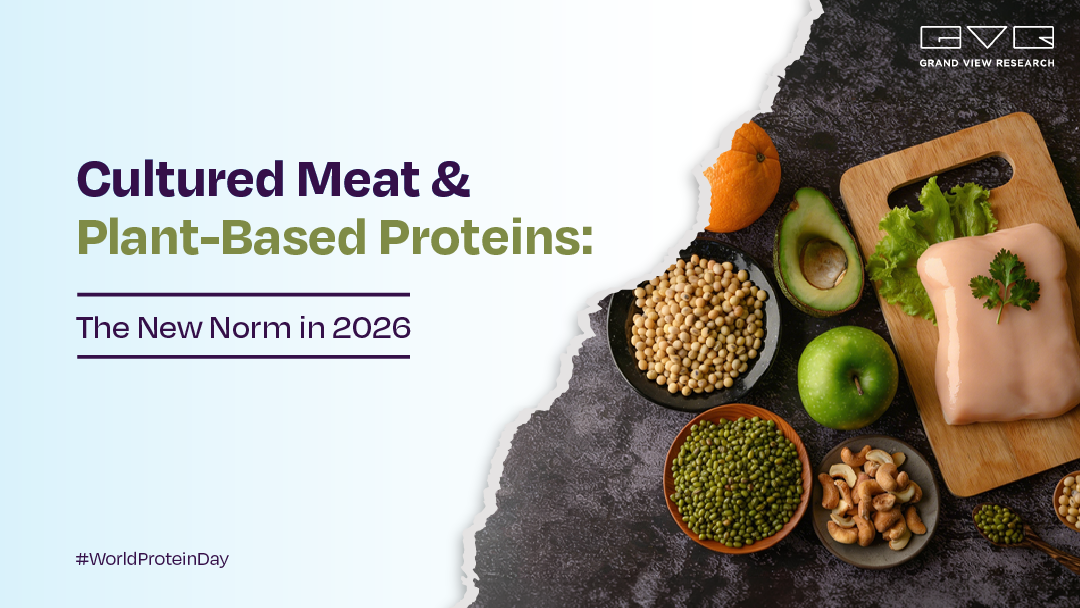
The 15 Rising Stars
Here are 15 plant-based protein sources expected to gain prominence by 2026, detailing their strengths and uses.
Fava Bean Protein: Often milder in flavor than soy, fava bean protein offers around 24 grams of protein per 100g serving. It's great for baking and can be found in some meatless burger formulations. A key benefit is its relatively low allergenicity.
Water Lentil Protein: This tiny aquatic plant is a protein powerhouse, providing roughly 30 grams of protein per 100g. It’s also rich in essential amino acids and is easily digestible. Expect to see it in smoothies and protein powders.
Hemp Seed Protein: With around 31 grams of protein per 100g, hemp seed protein offers a complete amino acid profile and a slightly nutty flavor. It’s also a good source of omega-3 and omega-6 fatty acids. It's versatile, working well in shakes, cereals, and even baked goods.
Sacha Inchi Protein: Originating in the Amazon rainforest, sacha inchi seeds deliver about 26 grams of protein per 100g. They’re also packed with healthy fats. The flavor is somewhat similar to walnuts, making it a good addition to trail mixes or protein bars.
Sunflower Seed Protein: A surprisingly good source of protein, sunflower seeds offer around 25 grams per 100g. It’s a cost-effective option that can be easily incorporated into various foods. Its mild flavor makes it adaptable.
Pumpkin Seed Protein: Another excellent seed-based option, pumpkin seeds provide about 24 grams of protein per 100g. They’re also rich in magnesium and zinc. The flavor is slightly sweet and nutty, lending itself well to snacks.
Chickpea Protein (Beyond Hummus!): We all know hummus, but chickpea protein isolate is gaining traction as a standalone ingredient. It offers around 20 grams of protein per 100g and is a good source of fiber. Expect to see it in pasta, snacks, and meat alternatives.
Spirulina: This blue-green algae is a complete protein, boasting around 57 grams of protein per 100g (dried weight). It’s also incredibly nutrient-dense, but the taste can be a bit… acquired. It’s best used in small amounts in smoothies or supplements.
Mycoprotein (Quorn): A well-established player, mycoprotein is derived from a naturally occurring fungus. It delivers around 13 grams of protein per 100g and has a texture remarkably similar to meat. Quorn products are widely available in supermarkets.
Duckweed: This aquatic plant is a surprisingly efficient protein producer, yielding around 30-40 grams of protein per 100g (dried). It's also incredibly fast-growing and requires minimal resources. It’s still relatively new to the market, but holds significant promise.
Algae Protein: Similar to spirulina, but often derived from different algae species, algae protein offers a sustainable and nutrient-rich source of protein. Protein content varies, but generally falls between 50-70 grams per 100g (dried weight).
Potato Protein: Yes, really! Potato protein can be extracted from potato processing byproducts and offers around 8 grams of protein per 100g. It’s a relatively inexpensive and sustainable option, though it needs to be combined with other proteins to create a complete amino acid profile.
Beanstalk Protein: Derived from the beanstalk plant, this newer protein source delivers around 30 grams of protein per 100g. It’s known for its neutral flavor and excellent digestibility.
Mushroom Protein: Beyond the portobello burger, fungal mycelium is being harnessed for its protein content (around 20-25 grams per 100g). The texture can be quite meaty, and it’s a sustainable option.
Cultivated Meat: While not strictly plant-based, cultivated meat (grown from animal cells) is a related area rapidly gaining attention. It offers the protein profile of traditional meat without the environmental impact. It's still in its early stages and faces regulatory hurdles, but it’s worth keeping an eye on.
Taste & Texture: What Actually Delivers?
Let’s be honest: protein content alone isn’t enough. Taste and texture are the biggest hurdles for many people considering meat alternatives. Some of these options shine in this area, while others… need work.
Mycoprotein, for example, consistently receives high marks for its meat-like texture. Fava bean and chickpea proteins can also be formulated to mimic the mouthfeel of meat quite effectively. However, spirulina and some algae proteins can have a distinctly "seaweed-like’ flavor that isn"t for everyone.
Processing plays a massive role. Extrusion, fermentation, and 3D printing are all being used to improve the texture of plant-based proteins. Forbes Vetted’s 2026 review of protein powders highlights the increasing sophistication of these techniques, with brands focusing on creating more palatable and appealing products.
Ultimately, taste is subjective. But the trend is clear: companies are investing heavily in improving the sensory experience of plant-based protein, and it's paying off. We're seeing products that are not just healthy, but genuinely enjoyable to eat.
Next-Generation Plant-Based Protein Comparison
| Protein Source | Taste Profile | Texture | Culinary Versatility |
|---|---|---|---|
| Mycoprotein (Fusarium venenatum) | Savory, umami-rich | Fibrous, slightly chewy - mimics pulled meat | High - excellent in stir-fries, roasts, and ground applications |
| Fermented Pea Protein | Mildly savory, clean finish | Smooth, can be formed into various shapes | Medium - good for burgers, sausages, and nuggets |
| Sunflower Seed Protein | Nutty, subtly sweet | Somewhat grainy, benefits from blending | Medium - works well in baked goods, smoothies, and as a meat extender |
| Fava Bean Protein | Earthy, bean-like flavor | Dense, holds shape well when cooked | Medium - suitable for patties, stews, and Mediterranean-inspired dishes |
| Water Lentil Protein | Neutral, slightly vegetal | Soft, easily blended into sauces | Low to Medium - best in soups, dips, or as a thickening agent |
| Sacha Inchi Protein | Mildly nutty, delicate | Smooth, almost creamy when processed | Medium - good for protein powders, dressings, and light sauces |
| Hemp Seed Protein | Earthy, slightly grassy | Grainy, best combined with other ingredients | Low - better suited for smoothies, granola, or baking |
Qualitative comparison based on the article research brief. Confirm current product details in the official docs before making implementation choices.
Sustainability Scores: Beyond the Buzzwords
"Sustainable’ is a loaded term. It"s not enough to simply say a protein source is eco-friendly; we need to look at the details. Water usage is a major factor. Algae and duckweed require significantly less water than traditional livestock farming.
Land use is another critical consideration. Plant-based proteins generally require less land than meat production, but some crops (like soy) can contribute to deforestation. Regenerative agriculture practices can help mitigate these impacts.
Carbon footprint varies widely. Mycoprotein and algae protein tend to have a lower carbon footprint than many other options, while the transportation of ingredients can add to the overall impact. Potato protein, utilizing byproducts, offers a particularly efficient use of resources.
It’s important to remember that sustainability isn’t a one-size-fits-all concept. Each protein source has its own environmental trade-offs. A holistic assessment is crucial, considering the entire lifecycle of the product.
Allergen Considerations: Navigating the Landscape
Allergies are a significant concern for many consumers. Soy is a common allergen, so alternatives like hemp seed, sunflower seed, and pumpkin seed protein are good options for those with soy sensitivities.
Gluten can be an issue with some processed plant-based products. Always check the label carefully. Water lentil and sacha inchi proteins are naturally gluten-free.
Nut allergies are also prevalent. Avoid hemp seed, sunflower seed, and pumpkin seed proteins if you have a nut allergy. Spirulina is generally considered safe for people with nut allergies, but it's always best to consult with a healthcare professional.
It's essential to read ingredient lists carefully and choose products that are free from your specific allergens. This is where variety is a benefit – there’s likely a plant-based protein option out there that will work for you.
Cost Breakdown: Protein Per Dollar
Price is always a factor. Sunflower seed protein and potato protein tend to be among the most affordable options, offering a good amount of protein for the price.
Hemp seed and chickpea protein are also relatively budget-friendly. Spirulina and sacha inchi protein are generally more expensive, reflecting their specialized sourcing and processing.
The cost per gram of protein can vary depending on the form – whole foods, powders, or processed products. Protein powders generally offer the most concentrated source of protein, but they can also be more expensive.
Ultimately, the best value depends on your individual needs and preferences. Consider the overall cost, nutritional benefits, and taste when making your decision.
The Future of Plant-Based: What’s Next?
The plant-based protein revolution is far from over. We’re on the cusp of even more exciting innovations, driven by advancements in technology.
Precision fermentation – using microbes to produce specific proteins – is a promising area. This could allow us to create plant-based proteins with tailored nutritional profiles and textures. Cellular agriculture, or cultivated meat, is another field to watch, though it’s still facing significant regulatory and scaling challenges.
We might see new protein sources emerge from unexpected places – perhaps from fungi, bacteria, or even insects. The key is to find sustainable, nutritious, and palatable options.
The biggest challenge will be scaling up production and reducing costs. But with continued investment and innovation, plant-based protein has the potential to transform our food system and create a more sustainable future. The possibilities are truly exciting.

No comments yet. Be the first to share your thoughts!