
The Shift from 16:8
For years, the 16:8 intermittent fasting method was the darling of the health and wellness world. It felt manageable, promising weight loss and improved health with a relatively simple schedule: 16 hours of fasting, an 8-hour eating window. But things are changing. Recent data is causing some to question if 16:8 is truly effective for everyone, and a new contender is stepping into the spotlight.
A February 2026 study from Medstown.com revealed that intermittent fasting, including the 16:8 method, didn’t show significant weight loss benefits in a broad study group. This isn't to say intermittent fasting doesn't work, but it does suggest the benefits might be more nuanced than previously thought. It's becoming clear that a one-size-fits-all approach to fasting isn't ideal.
Enter the 14:10 method. It’s not designed to completely replace 16:8, but rather to offer a more accessible and sustainable alternative. It’s a response to the growing understanding that stricter fasting protocols can be difficult to maintain long-term and may not be necessary to reap some of the benefits. I see it as an evolution of intermittent fasting, tailoring the approach to better fit individual needs and lifestyles.
What Exactly is 14:10?
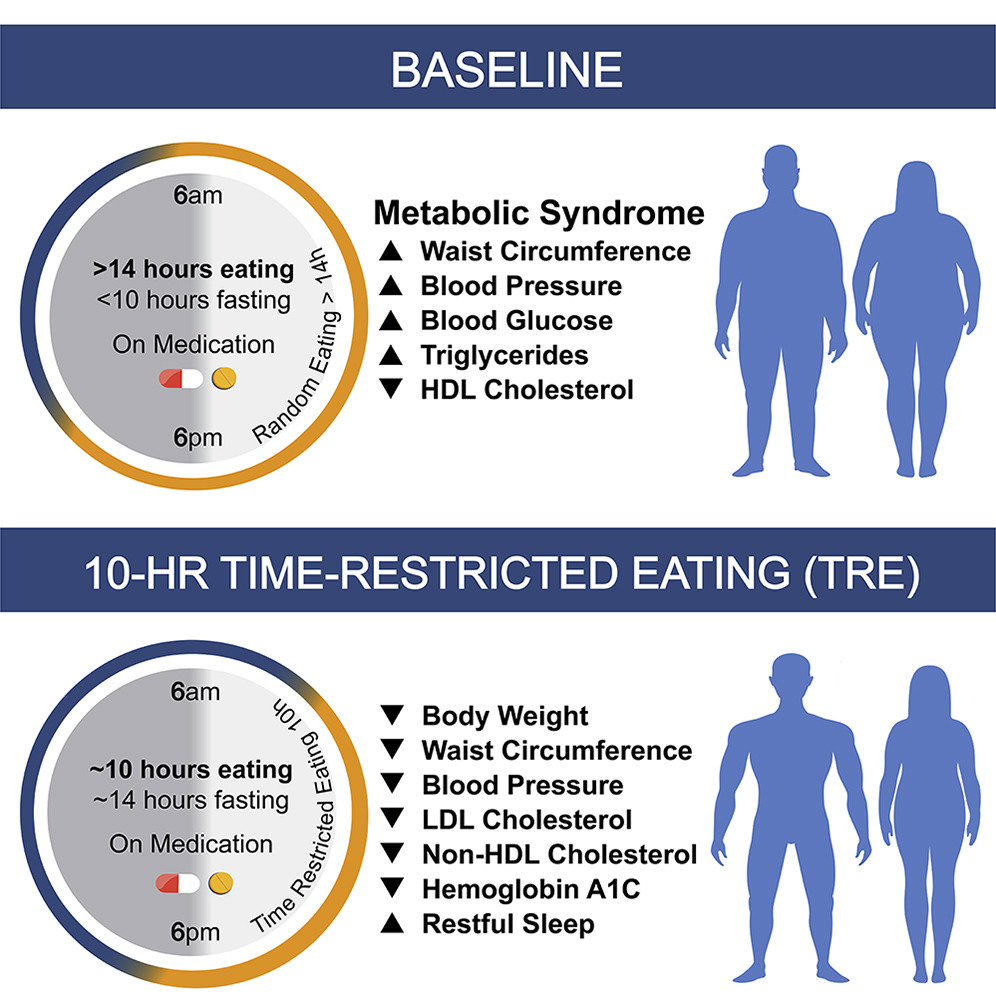
The 14:10 method is straightforward: you fast for 14 hours each day and limit your eating window to 10 hours. This is a less aggressive approach than 16:8, which can make it easier to incorporate into your daily routine. It's a degree of flexibility that many people find appealing.
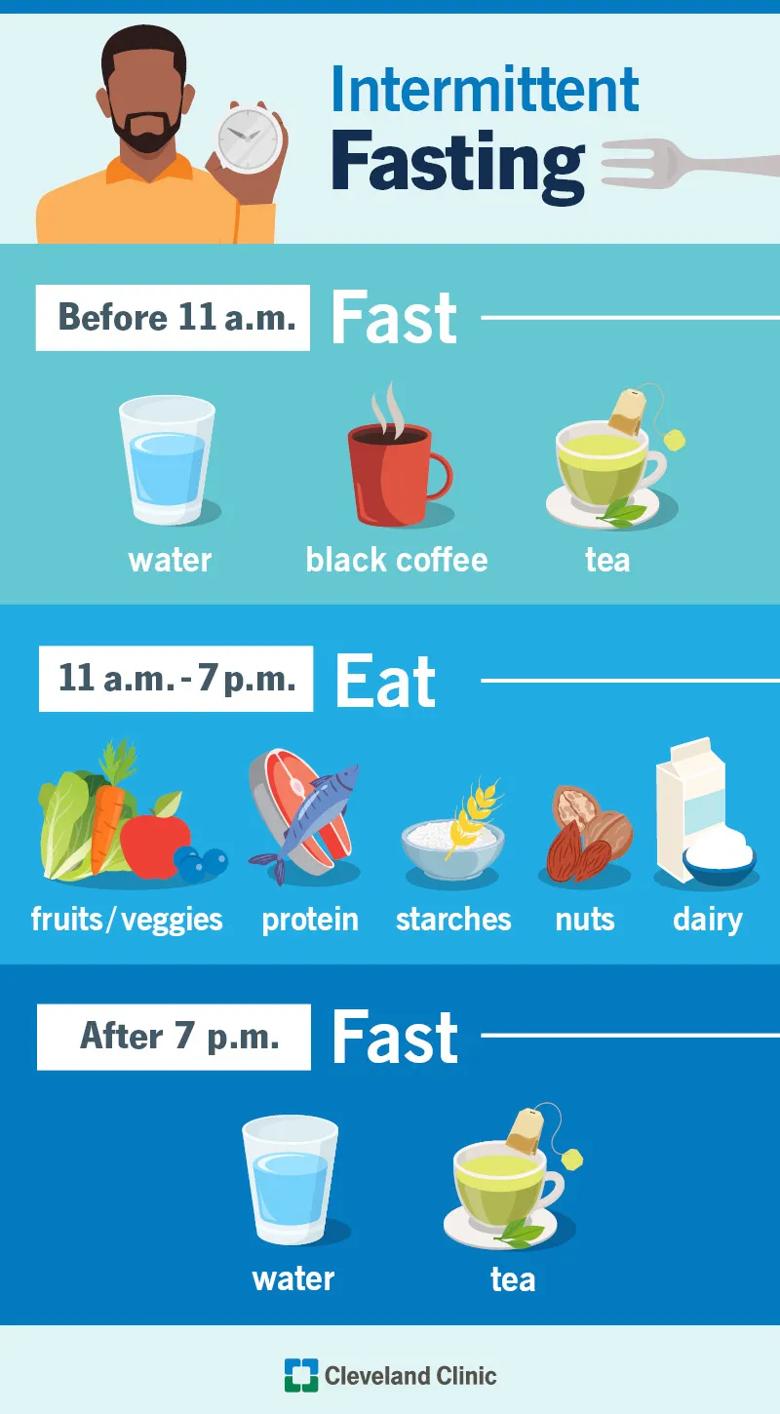
For example, you could eat between 10 am and 8 pm, or noon and 10 pm. The key is consistency within your chosen window. This allows you to adjust the schedule to fit your work, social life, and personal preferences. It’s about finding a rhythm that works for you.
A common question is what you can consume during the fasting period. Generally, you're limited to calorie-free beverages like water, black coffee, and unsweetened tea. Some people allow a small amount of electrolytes to help manage hunger and maintain energy levels. But beyond that, it’s about allowing your body a period of rest from digestion.
Why 14:10 Might Be Better
One of the biggest advantages of 14:10 is its increased adherence rate. The less restrictive nature of the diet makes it easier to stick with over the long term. Many people find 16:8 too challenging, leading to frustration and ultimately, abandonment of the practice. A smaller adjustment feels more attainable.
There's also a potential link to improved sleep. Aligning your eating window with your circadian rhythm can contribute to better sleep quality. Eating too close to bedtime can disrupt sleep, while a longer fasting period may promote more restful sleep. This is an area where more research is needed, but the connection seems plausible.
Emerging research suggests that even shorter fasting windows can improve insulin sensitivity. This means your body becomes more efficient at using insulin to regulate blood sugar levels. While the effects may not be as dramatic as with longer fasts, the benefits can still be significant. It’s about finding that sweet spot between restriction and sustainability.
I want to be clear: we don’t have definitive proof that 14:10 is "better" than 16:8 for everyone. But the early signs, and the anecdotal evidence, suggest it's a viable and potentially more sustainable option for a wider range of people.
- Higher adherence rates
- Potential for better sleep
- Improved insulin sensitivity
The Science Behind the Shift
The underlying principle behind intermittent fasting is to trigger a cellular process called autophagy. This is essentially your body’s way of cleaning house, removing damaged cells and regenerating new ones. Longer fasting periods were traditionally thought to be necessary for optimal autophagy, but recent research suggests that even shorter fasts can initiate this process.
The exact duration of fasting required to induce significant autophagy is still under investigation. A report from pmc.ncbi.nlm.nih.gov highlights the ongoing research into the relationship between fasting duration and cellular repair, confirming that our understanding is still evolving. It suggests that the benefits aren’t necessarily linear – a longer fast doesn’t always equate to greater benefits.
While the science is still developing, the idea is that even a 14-hour fast can provide enough of a stimulus to initiate some level of autophagy and cellular repair. It’s about giving your digestive system a break and allowing your body to focus on other essential processes. The goal isn’t necessarily to replicate the effects of a prolonged fast, but to tap into some of the same restorative mechanisms.
Food Choices During Your 10-Hour Window
Intermittent fasting isn't just about when you eat; it's also about what you eat. Maximizing the benefits of your 10-hour eating window requires a focus on whole, unprocessed foods. Think of it as a chance to nourish your body with nutrient-dense options.
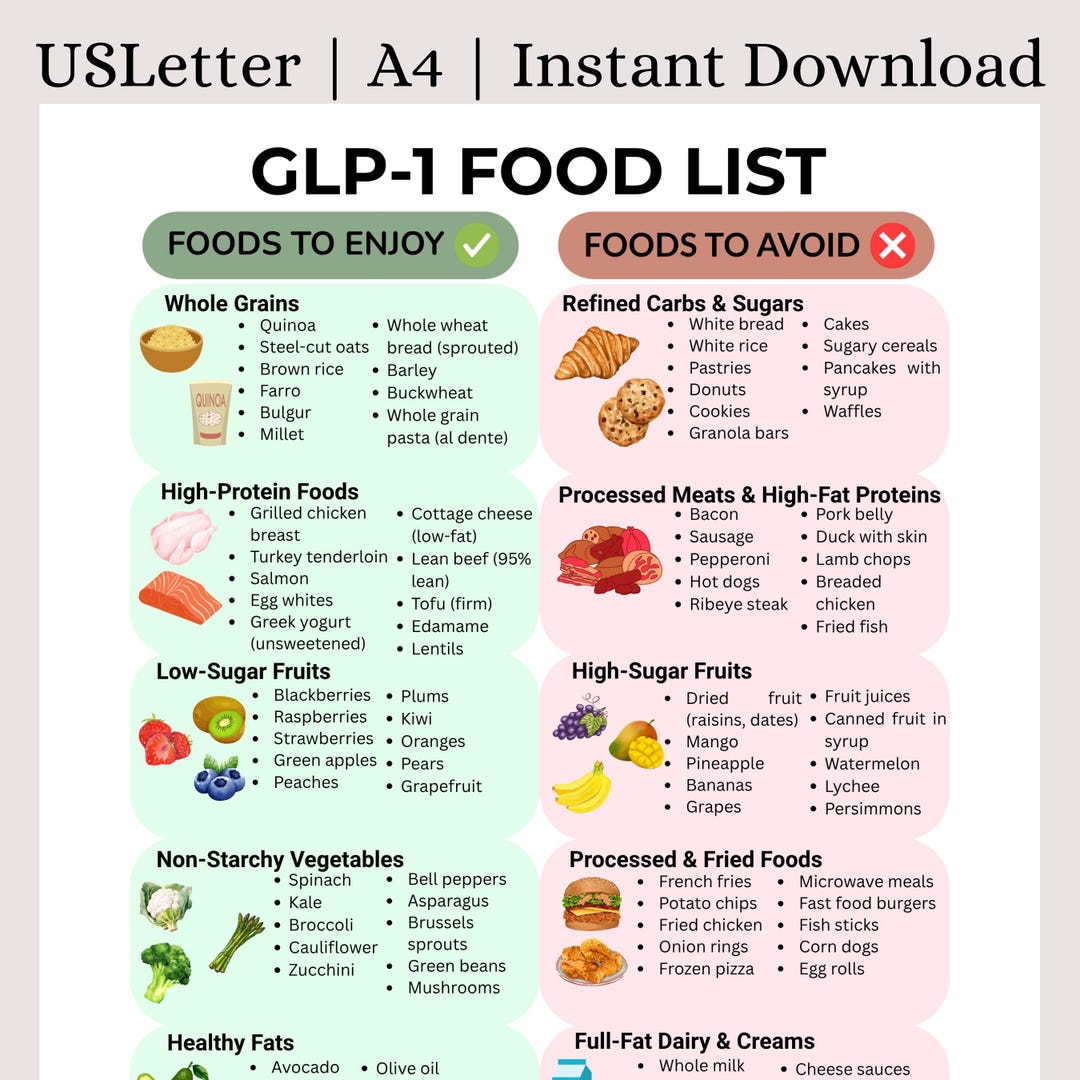
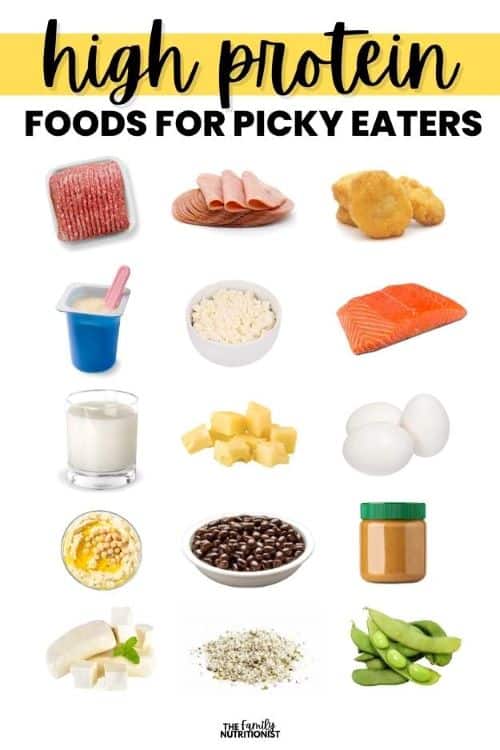
Prioritize protein sources like lean meats, fish, eggs, and legumes. Healthy fats, such as avocados, nuts, and olive oil, are also essential. And don’t forget complex carbohydrates like whole grains, fruits, and vegetables. These provide sustained energy and essential vitamins and minerals.
Here are a few example meal plans: A vegetarian approach might include a lentil soup for lunch, a quinoa salad with roasted vegetables for dinner, and a Greek yogurt with berries for a snack. For those following a keto diet, focus on high-fat, moderate-protein, and low-carb options like salmon with asparagus and a side of avocado.
Common pitfalls to avoid include sugary drinks, processed snacks, and excessive amounts of refined carbohydrates. These can negate the benefits of fasting and contribute to inflammation. Remember, the quality of your food matters just as much as the timing.
Food Choices During a 14:10 Intermittent Fasting Window
| Category | Examples | Notes |
|---|---|---|
| Good Choices | Lean Proteins (chicken, fish, beans) | Prioritize protein intake during your eating window to support muscle maintenance and satiety. |
| Good Choices | Non-Starchy Vegetables (broccoli, spinach, peppers) | These are low in calories and packed with essential vitamins and minerals. |
| Good Choices | Healthy Fats (avocado, olive oil, nuts) | Include in moderation; they contribute to fullness and overall health. |
| Good Choices | Whole Grains (quinoa, brown rice, oats) | Provide sustained energy and fiber. |
| Okay Choices | Fruits (berries, apples, bananas) | Enjoy in moderation due to natural sugar content. |
| Okay Choices | Dark Chocolate (70% cacao or higher) | A small portion can satisfy sweet cravings without excessive sugar. |
| Okay Choices | Starchy Vegetables (sweet potatoes, corn) | Consume in smaller portions compared to non-starchy options. |
| Avoid | Sugary Drinks (soda, juice, sweetened tea) | Provide empty calories and can hinder weight management efforts. |
| Avoid | Processed Foods (chips, cookies, fast food) | Often high in unhealthy fats, sugar, and sodium. |
| Avoid | Refined Grains (white bread, white rice) | Offer limited nutritional value and can cause blood sugar spikes. |
| Avoid | Excessive Alcohol | Contributes to empty calories and can disrupt metabolic processes. |
Illustrative comparison based on the article research brief. Verify current pricing, limits, and product details in the official docs before relying on it.
Troubleshooting Common Issues
Transitioning to any new eating pattern can come with challenges. Hunger pangs, headaches, and fatigue are common side effects, especially in the initial stages. The key is to be prepared and have strategies for managing these discomforts.
Hydration is crucial. Drink plenty of water throughout the day, even during your fasting period. Electrolyte imbalances can also contribute to headaches and fatigue, so consider adding a pinch of sea salt to your water or consuming an electrolyte supplement. A gradual transition can also minimize discomfort – don’t jump straight into 14:10; start with 12:12 and gradually increase the fasting period.
It’s important to listen to your body. If you experience any severe or persistent symptoms, consult a doctor. Intermittent fasting isn't suitable for everyone, especially those with pre-existing medical conditions like diabetes or eating disorders. It’s always best to seek professional guidance before making significant changes to your diet.
14:10 vs. Other IF Methods
The intermittent fasting landscape offers a variety of options, each with its own pros and cons. 18:6 involves an 18-hour fast and a 6-hour eating window, offering potentially greater benefits but also requiring more discipline. 20:4 is even more restrictive, while One Meal a Day (OMAD) involves consuming all your calories in a single meal.
14:10 strikes a balance between effectiveness and sustainability. It’s a good starting point for beginners who are new to intermittent fasting. It’s less daunting than more restrictive methods, making it easier to adopt as a long-term lifestyle change. Ultimately, the best method is the one that you can consistently adhere to and that fits your individual needs.

No comments yet. Be the first to share your thoughts!