
The evolution of fasting methods
Intermittent fasting used to be simple. You picked 16/8, 5:2, or the occasional 24-hour fast. These methods work, but they are blunt instruments. By 2026, we've moved past basic calorie restriction toward timing that respects how the body actually processes energy.
Recent research is challenging the idea that simply when you don’t eat is enough. It’s not just about restricting calories; it’s about optimizing how those calories are consumed within a specific timeframe. We're seeing a shift toward more nuanced strategies, driven by a desire to personalize fasting protocols for better outcomes. This isn't a rejection of the earlier methods, but rather an evolution—a move toward what I’m calling Intermittent Fasting 3.0.
The science is becoming clear: a blanket approach doesn’t work for everyone. Factors like genetics, activity level, and even gut microbiome composition play a role in how individuals respond to IF. The new wave of IF strategies acknowledges this complexity, incorporating biomarkers and individualized data to maximize benefits. It’s about working with your body, not against it, and that’s a significant departure from the more rigid protocols of the past.
Eating with the sun
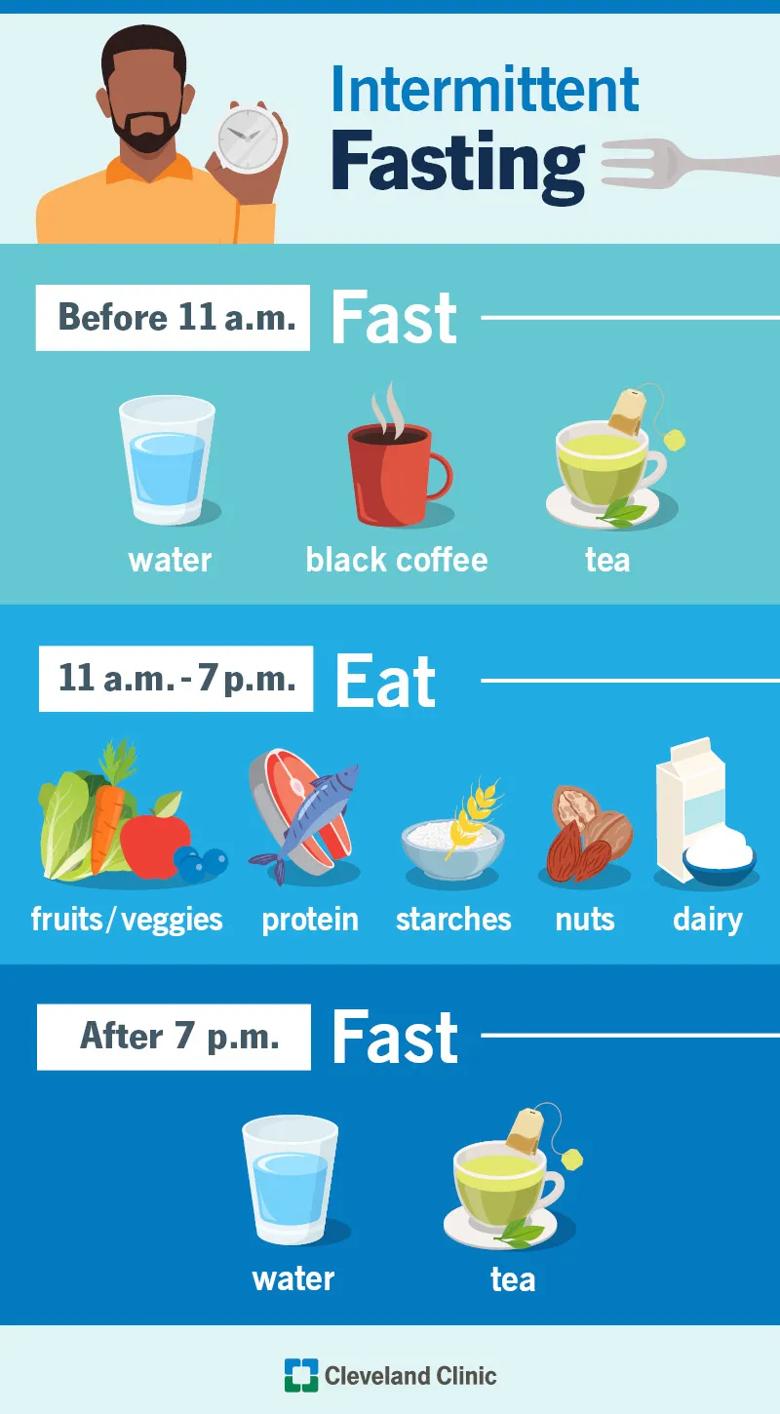
A central tenet of IF 3.0 is the integration of circadian rhythm biology. It’s not just about how long you fast, but when you eat in relation to your body’s natural clock. Our metabolic processes are heavily influenced by the daily cycle of light and darkness, and disrupting this rhythm can have negative consequences for health.
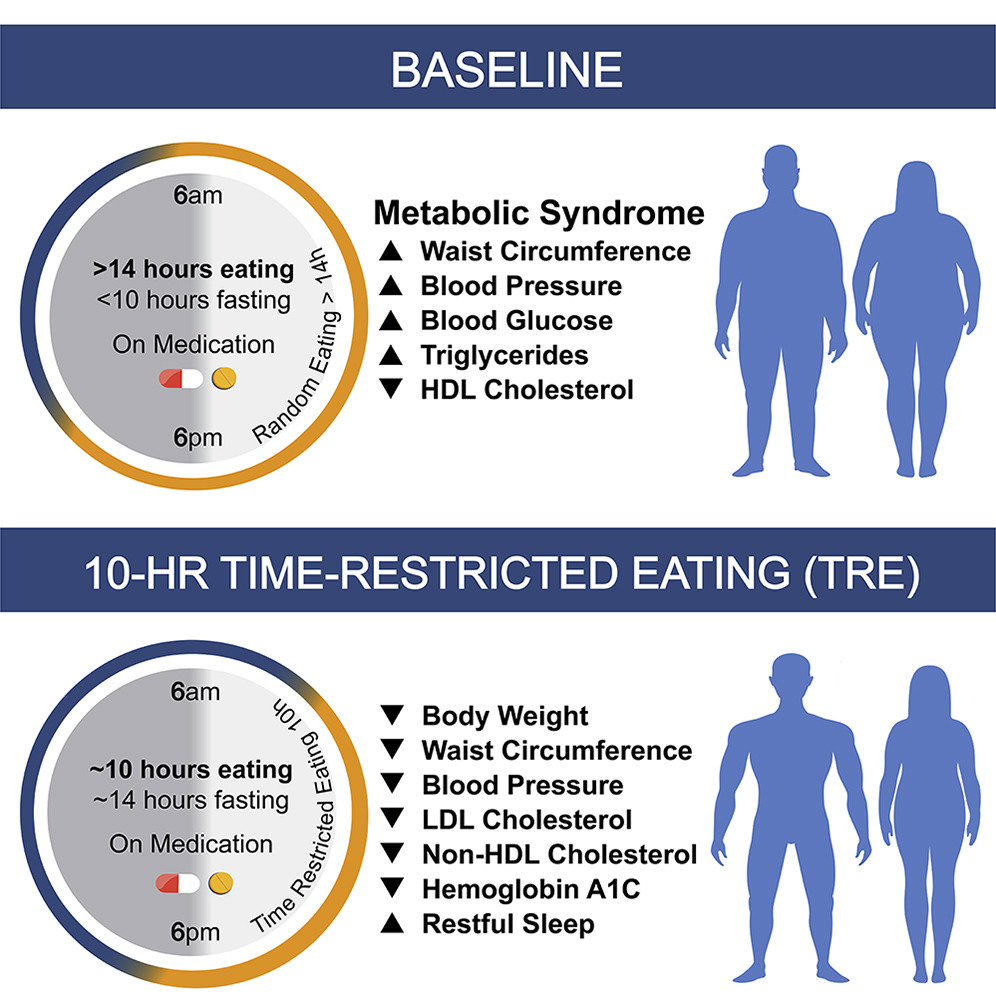
Research increasingly demonstrates a link between meal timing and metabolic health. Studies show that consuming the majority of your calories earlier in the day, aligned with your circadian rhythm, can improve insulin sensitivity, regulate blood sugar levels, and even promote weight loss. Conversely, late-night eating, even within an IF window, can disrupt sleep and impair metabolic function.
Optimizing breakfast timing is also gaining attention. While traditional advice often focused on whether to eat breakfast, the emerging consensus suggests when you break your fast matters. A 2024 study published in Chronobiology International indicated that consuming breakfast within two hours of waking up significantly improved glucose control and reduced cravings throughout the day. This underscores the importance of aligning your eating schedule with your natural light exposure.
Personalized Fasting: Biomarker-Driven Approaches
The era of one-size-fits-all intermittent fasting is fading. Intermittent Fasting 3.0 embraces personalization, leveraging biomarkers to tailor protocols to individual needs. This goes beyond simply tracking weight loss; it’s about understanding how your body responds to fasting at a cellular level.
Blood glucose monitoring is becoming increasingly accessible, thanks to devices like the Abbott FreeStyle Libre and Dexcom G7. These continuous glucose monitors (CGMs) provide real-time data on how your blood sugar levels fluctuate in response to different foods and fasting periods. Ketone levels, measured through blood, breath, or urine, can indicate whether your body is effectively switching to fat as a fuel source during a fast. Gut microbiome analysis, while still relatively expensive, is also offering insights into how gut bacteria influence metabolic health and IF success.
The concept of "metabolic flexibility’ is central to this approach. Metabolic flexibility refers to your body"s ability to efficiently switch between burning glucose and fat for fuel. Individuals with higher metabolic flexibility tend to respond better to IF, while those with impaired metabolic flexibility may require a more gradual and personalized approach. Emerging wearable tech, like the Levels Health sensor, aim to provide continuous metabolic data, helping users optimize their IF protocols based on real-time feedback.
- Continuous glucose monitors (CGMs) like the Dexcom G7 show exactly how your blood sugar reacts to specific meals.
- Ketone strips or breathalyzers confirm if you've actually flipped the metabolic switch to burning fat.
- Gut Microbiome Analysis: Assessing gut bacteria composition for personalized insights.
The shift toward protein-sparing modified fasts
Protein-Sparing Modified Fasting (PSMF) is gaining serious momentum as a more aggressive form of intermittent fasting. Unlike traditional IF, which doesn’t necessarily restrict macronutrient ratios, PSMF prioritizes protein intake while severely limiting carbohydrates and fats. The goal is to preserve lean muscle mass during a calorie deficit, making it popular among athletes and those seeking rapid weight loss.
A typical PSMF protocol involves consuming around 1.0-1.5 grams of protein per pound of lean body mass, along with minimal carbohydrates (typically under 30 grams per day) and fats. This forces the body to rely on its own fat stores for energy, while the high protein intake helps prevent muscle breakdown. It's a far cry from simply skipping breakfast.
However, PSMF isn’t without its risks. It requires careful planning to ensure adequate micronutrient intake, as the diet is inherently restrictive. Potential side effects include fatigue, constipation, and electrolyte imbalances. PSMF is generally not recommended for individuals with kidney problems, eating disorders, or those who are pregnant or breastfeeding. It’s a powerful tool, but one that should be approached with caution and ideally under the guidance of a healthcare professional.
Fasting & Female Hormones: A Nuanced View
Intermittent fasting’s impact on women’s health is a complex and often misunderstood topic. Unlike men, women’s hormonal cycles significantly influence their response to fasting. Ignoring these nuances can lead to menstrual irregularities, fertility issues, and other adverse effects.
Research suggests that prolonged or overly restrictive fasting can disrupt the hypothalamic-pituitary-ovarian (HPO) axis, the system responsible for regulating reproductive hormones. This can result in decreased estrogen production, irregular periods, and even amenorrhea (loss of menstruation). The intensity and duration of the fasting window should be adjusted based on the phase of the menstrual cycle.
For example, during the luteal phase (the second half of the cycle), when estrogen levels are lower, women may benefit from shorter fasting windows or even cycling off IF altogether. During the follicular phase (the first half of the cycle), when estrogen levels are rising, women may be better able to tolerate longer fasts. It’s crucial to listen to your body and prioritize hormonal balance over strict adherence to a rigid IF schedule.
Beyond Weight Loss: Emerging Health Benefits
While weight loss remains a common motivation for practicing intermittent fasting, the emerging research highlights a broader range of potential health benefits. The focus is shifting toward longevity, brain health, and disease prevention.
A major review published by Cochrane in February 2026 found that intermittent fasting did not lead to greater weight loss than standard diet advice, reinforcing that IF isn't a magic bullet for shedding pounds. However, the same research pointed to potential benefits in other areas. Studies suggest that IF may enhance brain-derived neurotrophic factor (BDNF) production, a protein crucial for brain health and cognitive function.
Researchers are also looking at how fasting interacts with cancer treatment. Early data suggests it might make chemotherapy or radiation more effective by stressing cancer cells while protecting healthy ones. It isn't a cure, but it is a promising supportive tool.



No comments yet. Be the first to share your thoughts!