
Ozempic & Food: A New Approach
Starting Ozempic, or similar GLP-1 medications like Wegovy or Mounjaro, changes more than just your appetite. These drugs fundamentally alter your digestive system's function, affecting food transit time and nutrient absorption.
Ozempic slows gastric emptying, making food stay in your stomach longer. This enhances fullness but alters nutrient absorption rates. The focus shifts from eating less to eating differently for optimal body response. This adjustment period is normal.
Weight loss benefits are significant, but potential nutrient deficiencies require attention. Affected absorption can lead to deficiencies in B12, iron, and calcium. Understanding this risk is the first step. This approach is about building a sustainable eating pattern, not a quick fix diet.
Individual responses to Ozempic vary. What works for one person may not work for another. Pay attention to your body's signals and consult your healthcare provider to find your optimal approach. Ask questions and discuss any challenges openly.
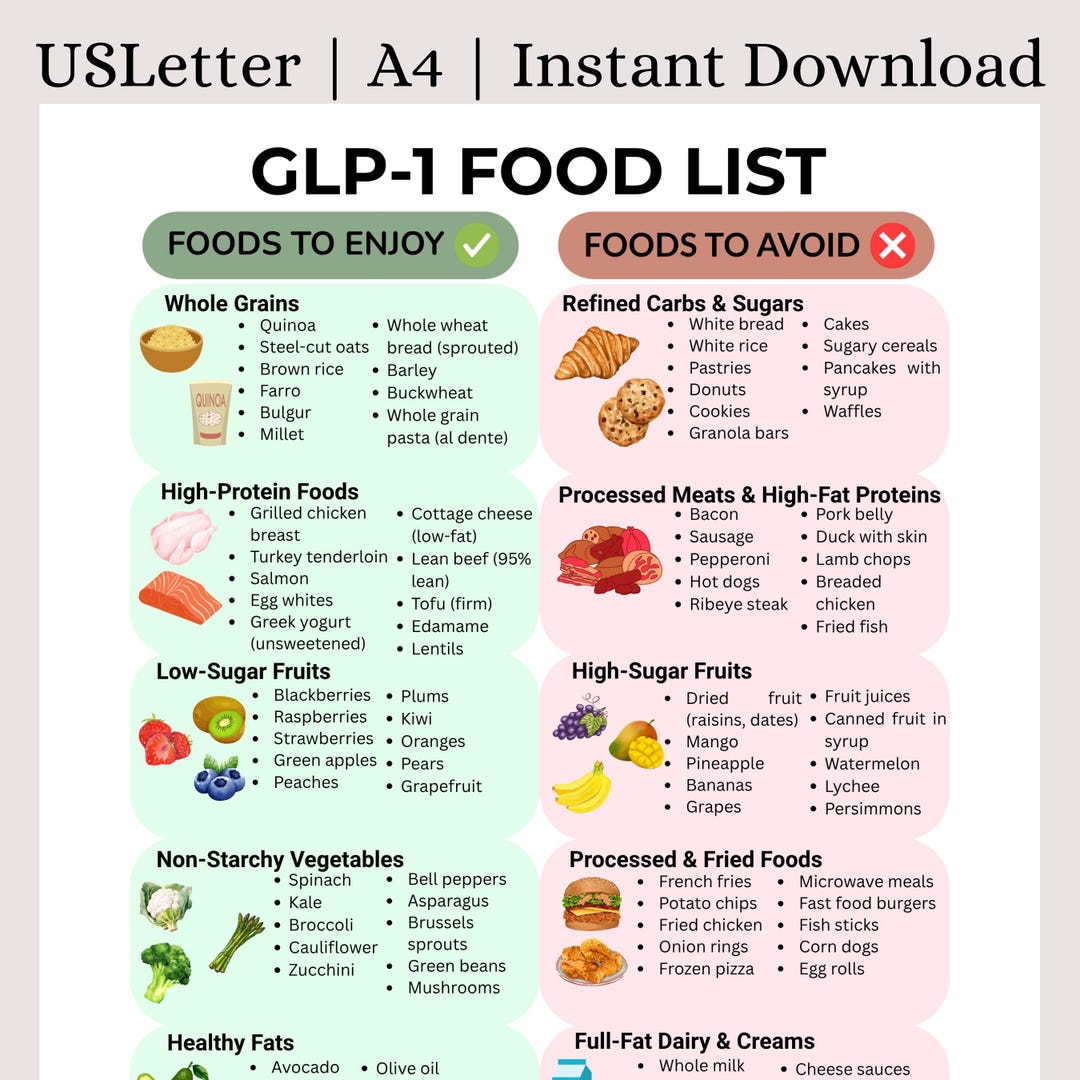
The GLP-1 Priority List: Protein First
On Ozempic, protein is the most important macronutrient. Beyond muscle building, it's essential for satiety, promoting longer fullness and stabilizing blood sugar. Slowed gastric emptying means protein helps manage digestion and prevents large glucose spikes.
Aim for 20-30 grams of protein per meal. Sources include lean meats (chicken breast, turkey), fish (salmon, tuna), plant-based options (tofu, tempeh, legumes), and Greek yogurt.
Moderate red meat consumption is advised. While a good source of protein and iron, excessive intake carries health risks. Opt for leaner cuts and limit to a few times weekly, focusing on variety from other protein sources.
Protein slows gastric emptying, complementing Ozempic's effects. This enhances fullness and aids weight management, making protein prioritization a powerful strategy.
Protein Source Comparison for Ozempic-Supportive Eating
| Protein Source | Protein Content | Fat Content | Fiber Content | Ozempic-Friendly Notes |
|---|---|---|---|---|
| Lean Beef (3oz serving) | High | Moderate | None | Provides iron and B vitamins; choose very lean cuts to minimize saturated fat intake. |
| Chicken Breast (3oz serving, skinless) | High | Low | None | Excellent lean protein source; versatile for many recipes. |
| Salmon (3oz serving) | High | Moderate | None | Rich in omega-3 fatty acids, beneficial for overall health and may support satiety. |
| Tofu (3oz serving, firm) | Good | Low | Moderate | Plant-based complete protein; supports digestive health due to soy content. |
| Lentils (1/2 cup cooked) | Good | Very Low | Very High | Excellent source of fiber and plant-based protein; promotes fullness and stable blood sugar. |
| Turkey Breast (3oz serving) | High | Low | None | Another lean protein option; easily digestible. |
| Black Beans (1/2 cup cooked) | Moderate | Very Low | High | Good source of plant-based protein and fiber; supports gut health. |
Qualitative comparison based on the article research brief. Confirm current product details in the official docs before making implementation choices.
Fiber & Fat: Your New Best Friends
Fiber and healthy fats support protein's role. Soluble fiber, found in oats, beans, apples, and Brussels sprouts, slows digestion further, contributing to sustained fullness by forming a gel-like substance in the gut.
Healthy fats are important for hormone production that regulates appetite and contribute to satiety. Avocados, olive oil, nuts, and seeds are excellent sources and should be consumed in moderation.
While many associate fat with weight gain, appropriate portions of healthy fats can aid weight loss by promoting satisfaction, reducing cravings, and supporting nutrient absorption.
The combination of protein, fiber, and healthy fats is effective with Ozempic's slowed digestion. These macronutrients create lasting fullness, supporting weight loss goals through balanced meals.
Non-Starchy Veggies: Eat Your Volume
Non-starchy vegetables offer volume with low calories and carbohydrates, providing essential vitamins, minerals, and fiber. They allow for larger portions without guilt.
Excellent choices include broccoli, spinach, cauliflower, asparagus, peppers, zucchini, cucumbers, and lettuce. These provide bulk and nutrients without significantly impacting blood sugar and are versatile in preparation.
Preparation methods include roasting with olive oil, steaming, stir-frying with lean protein, or enjoying raw in salads. Experiment with seasonings and herbs for flavor.
Non-starchy vegetables help you feel full and satisfied without derailing progress, contributing to overall health and a successful Ozempic-friendly eating plan.
- Broccoli
- Spinach
- Cauliflower
- Asparagus
- Peppers
- Zucchini
- Cucumbers
- Lettuce
Non-Starchy Vegetables
- Broccoli - Excellent source of Vitamin C and fiber, supporting overall health.
- Spinach - Packed with iron, Vitamin K, and antioxidants, promoting energy levels.
- Cauliflower - Versatile and low-carb, providing a good source of choline.
- Asparagus - Contains folate and is a natural diuretic, aiding in reducing bloating.
- Bell Peppers - High in Vitamin A and capsaicin, which may boost metabolism.
- Zucchini - Low in calories and a good source of potassium, supporting hydration.
- Cucumbers - Primarily water, providing hydration and a feeling of fullness.
Smart Carbs: Timing & Choices
Complex carbohydrates like whole grains (quinoa, brown rice), sweet potatoes, and legumes are digested more slowly than simple carbs, leading to a more gradual blood sugar rise. Choosing the right types and consuming them at the right time is key.
Pairing carbohydrates with protein and healthy fats slows absorption, preventing blood sugar spikes and promoting sustained energy. For example, eat a sweet potato with grilled chicken and avocado, rather than alone.
The glycemic index (GI) and glycemic load (GL) can be helpful tools. GI measures how quickly food raises blood sugar, while GL considers GI and carbohydrate amount. Lower GI and GL values are generally preferable.
Healthy carbohydrates should be eaten in moderation, with attention to portion sizes and body response. Sugar alcohols, common in sugar-free products, can cause digestive issues for some on Ozempic and should be consumed cautiously.
Foods to Approach with Caution
Certain foods are more likely to cause issues on Ozempic. High-sugar, processed, or difficult-to-digest foods can lead to nausea, bloating, diarrhea, or other side effects. Limiting or avoiding these is recommended.
undefined stick to your eating plan. Focus on whole, unprocessed foods instead.
Alcohol consumption should also be approached with caution. Alcohol can interact with Ozempic and increase the risk of side effects. If you choose to drink, do so in moderation and be mindful of how your body responds. It’s important to stay hydrated while consuming alcohol.
Managing cravings is part of the process. When a craving hits, try to identify the underlying cause. Are you truly hungry, or are you bored, stressed, or emotional? Find healthy ways to cope with these feelings, such as going for a walk, listening to music, or talking to a friend.
Hydration & Supplement Considerations
Staying hydrated is paramount when taking Ozempic. Dehydration can worsen side effects like nausea and constipation. Aim to drink at least eight glasses of water per day, and even more if you’re active or live in a hot climate. Carry a water bottle with you and sip on it throughout the day.
As mentioned earlier, Ozempic can affect nutrient absorption, potentially leading to deficiencies. Common deficiencies include vitamin B12, iron, calcium, and vitamin D. It’s essential to have your nutrient levels checked by your doctor and discuss whether supplementation is necessary.
I want to emphasize that I am not a medical professional and cannot provide specific supplement recommendations. Always talk to your doctor before starting any new supplements, as they can interact with medications or have unintended side effects. Your doctor can assess your individual needs and recommend the appropriate supplements and dosages.
Electrolytes are also important, especially if you’re experiencing diarrhea or vomiting. Electrolytes help regulate fluid balance and nerve function. Consider adding an electrolyte-rich beverage or supplement to your routine, but again, consult with your doctor first.
Putting It All Together: Sample Meal Plans
Let’s translate these principles into practical meal plans. These are just examples, and you can adjust them to fit your individual preferences and calorie needs. Remember to prioritize protein, fiber, and healthy fats at each meal.
1200 Calorie Plan: Breakfast: Greek yogurt with berries and a sprinkle of nuts. Lunch: Salad with grilled chicken, mixed greens, and a light vinaigrette. Dinner: Baked salmon with roasted broccoli and quinoa. Snacks: Apple slices with almond butter, hard-boiled egg.
1500 Calorie Plan: Breakfast: Oatmeal with protein powder and fruit. Lunch: Turkey breast sandwich on whole-wheat bread with avocado and a side salad. Dinner: Chicken stir-fry with brown rice and plenty of vegetables. Snacks: Cottage cheese with pineapple, a handful of almonds.
1800 Calorie Plan: Breakfast: Scrambled eggs with spinach and whole-wheat toast. Lunch: Large salad with grilled shrimp, beans, and a variety of vegetables. Dinner: Lean steak with roasted sweet potato and asparagus. Snacks: Protein shake, Greek yogurt with berries.


No comments yet. Be the first to share your thoughts!