
Set the mealtime routine
Picky eating often thrives in chaos. When meals happen at random hours, a child’s hunger cues become unreliable, and the table becomes a place of negotiation rather than nourishment. Establishing a predictable schedule is the first step toward reducing anxiety around food.
Aim for three meals and two snacks at roughly the same times every day. This consistency helps regulate appetite, ensuring your child is actually hungry when food is served. Avoid grazing between meals, which kills the appetite for the next structured eating window. Think of it like a train schedule: if the train comes whenever it feels like it, passengers won’t know when to wait at the platform.
Keep distractions out of the dining area. Turn off the TV, put away phones, and remove toys. The goal is to help your child focus on one thing: eating. When the environment is calm and focused, children are more likely to tune into their own internal signals of fullness and hunger, making mealtime a shared family experience rather than a battle.
Remove distractions during meals
Children eat better when they can focus on the food in front of them. Turning off the TV and putting away phones helps your child tune into their own hunger cues instead of the noise around the table. When meals become background activity for entertainment, kids often stop eating before they feel full.
Start by clearing the table of toys and books. These items compete for attention and can make the meal feel like playtime rather than nourishment. If your child is used to watching cartoons while eating, the transition might feel boring at first. That boredom is actually a good sign—it means they are noticing their body’s signals.
Keep the environment calm and pleasant. Do not bribe your child with dessert or threaten them with consequences if they don’t finish their plate. These tactics create stress and distract from the simple act of eating. Instead, offer water between meals and snacks to keep them hydrated without filling them up.
By making food the only focus, you help your child learn to recognize when they are hungry and when they are satisfied. This simple shift can reduce mealtime battles and encourage healthier eating habits over time.
Model healthy eating habits
Children learn by watching. When they see parents enjoying vegetables, fruits, and balanced meals, those foods become normal parts of the day rather than strange challenges.
The most effective way to encourage a picky eater to try new foods is to eat them yourself. If you want your child to eat a vegetable, you must do it too. This modeling behavior signals that the food is safe and enjoyable.

The American Academy of Pediatrics emphasizes that parents should model healthy eating behaviors. They note that picky eating is common, but consistent exposure through observation helps children expand their palate over time. You can watch an AAP video on this topic here: Tips for Feeding Picky Eaters.
Avoid forcing your child to finish everything on their plate. Instead, focus on your own actions. Eat the same meals together whenever possible. Let them see you savoring the same broccoli, chicken, or whole grains they are expected to try.
Introduce new foods gradually
Expanding a picky eater’s diet relies on repetition and texture progression rather than persuasion. Children often need 10 to 15 exposures to a new food before accepting it. This strategy removes the pressure to eat immediately and focuses on building familiarity.
1. Start with familiar textures
Begin by offering a new food that matches the texture of foods the child already accepts. If your child likes mashed potatoes, try mashed sweet potatoes or carrots. If they prefer crunchy snacks, offer raw cucumber sticks or apple slices. This approach lowers the barrier to entry because the mouthfeel is already comfortable. The goal is to introduce a new flavor or ingredient without changing the physical experience of eating.
2. Place the food on the plate
Serve the new food alongside a known favorite during a regular meal. Do not ask the child to taste it. Simply place a small portion on their plate and continue with the conversation. This is a "no-pressure" meal environment. The child sees the food, smells it, and may touch it, but there is no expectation of consumption. This step helps the child associate the new item with safety rather than conflict.
3. Encourage non-eating interaction
Over time, invite the child to interact with the food without eating it. They can smell it, lick it, or place it on their parent’s plate. You can model eating it yourself, describing the taste neutrally ("This is crunchy," not "This is delicious"). According to the CDC, starting with smooth or mashed foods and gradually moving toward finely chopped or ground textures helps children develop acceptance. This gradual shift allows the child to control the pace of exposure.
4. Repeat exposure consistently
Offer the same new food at different meals over several weeks. Consistency is more effective than variety in the early stages. If the child refuses it, remove it without comment and try again later. Research from Kids Eat in Color suggests that knowing your child’s preferences and maintaining a calm demeanor is essential. The child learns that the food is available and safe, even if they are not ready to eat it yet.
5. Celebrate small steps
Acknowledge any interaction with the new food. If the child touches it or smells it, offer specific praise. Do not reward them with dessert if they don’t eat it, as this can reinforce the idea that the new food is a chore. Instead, focus on the bravery of trying something new. Over time, the child may take a bite, then two, and eventually incorporate the food into their regular diet.

Begin by offering a new food that matches the texture of foods the child already accepts. If your child likes mashed potatoes, try mashed sweet potatoes or carrots. This approach lowers the barrier to entry because the mouthfeel is already comfortable.
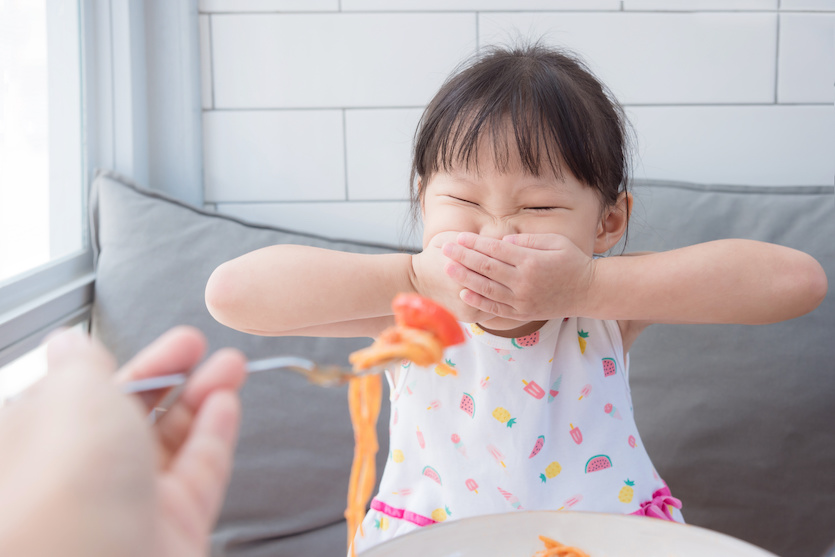
Serve the new food alongside a known favorite during a regular meal. Do not ask the child to taste it. Simply place a small portion on their plate and continue with the conversation. This is a "no-pressure" meal environment.
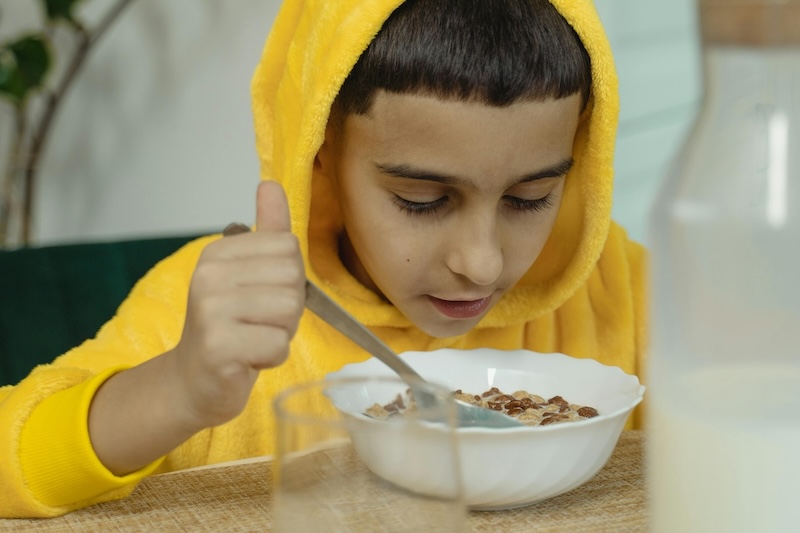
Over time, invite the child to interact with the food without eating it. They can smell it, lick it, or place it on their parent’s plate. You can model eating it yourself, describing the taste neutrally.
Offer the same new food at different meals over several weeks. Consistency is more effective than variety in the early stages. If the child refuses it, remove it without comment and try again later.
Avoid bribes and threats
Using desserts as rewards or threatening to take away screen time for not eating vegetables might seem like a quick fix, but it actively undermines long-term healthy eating habits. When you bribe a child with a treat for eating broccoli, you are signaling that the broccoli is the "work" and the cookie is the "prize." This creates a psychological hierarchy where healthy foods are viewed as chores and less nutritious options are seen as rewards. Over time, this dynamic reinforces the idea that you should only eat nutritious food when forced, rather than out of genuine hunger or preference.
Experts in child nutrition advise against this approach because it shifts the focus from internal cues (hunger and fullness) to external controls. Instead of learning to enjoy the taste and texture of vegetables, the child learns to eat only for the outcome. This can lead to a lifelong struggle with food regulation, where the "forbidden fruit" of sweets becomes even more desirable, and vegetables remain unappealing. Keeping meals pleasant and distraction-free, as recommended by Texas WIC, helps children reconnect with their natural appetite rather than navigating a complex system of rewards and punishments.
To move away from this pattern, try offering water between meal and snack times to establish clear boundaries between hunger and casual snacking. Keep the atmosphere light and avoid pressuring your child to finish their plate. Instead, model healthy eating yourself and offer small portions of new foods without expectation. This "no-pressure" approach allows children to explore food at their own pace, building a positive relationship with a wider variety of ingredients without the baggage of negotiation or threat.
Track progress with a checklist
Consistency is the engine that drives change for picky eaters. Without a routine, small improvements often get lost in the daily chaos of dinner. A simple checklist turns abstract goals into concrete habits, allowing you to monitor consistency and celebrate small wins without turning mealtime into a negotiation.
Start by defining four non-negotiable rules for your table. These should be visible and easy to reference. For example, you might check off "Same time every day," "No screens," "Parent eats the same food," and "Child tries one bite." When you stick to these basics, you remove the pressure that often triggers refusal.
Use this tool daily to spot patterns. If your child consistently refuses vegetables but accepts grains, adjust the variety rather than the rule. This method helps you distinguish between a bad day and a behavioral pattern, keeping you focused on long-term habits rather than immediate consumption.
-
Eat at the same time daily
-
No screens or toys at the table
-
Parent eats the same food
-
Child tries one bite of new food
Common questions about picky eating
Parents often worry about the timeline and nutritional impact of picky eating. Understanding the typical progression and knowing when to intervene can reduce anxiety and keep mealtimes manageable.
How long does picky eating last?
Picky eating is a normal developmental phase for many children, often peaking between ages 2 and 6. For most kids, this behavior naturally diminishes as they gain confidence with new textures and flavors. While some children may remain selective into their school years, the intensity usually decreases as social eating opportunities expand.
Do picky eaters need supplements?
Most children who eat a variety of safe foods get enough nutrients without supplements. If your child’s diet is extremely limited, focus on fortifying the foods they do accept. For example, add cheese to pasta or blend spinach into fruit smoothies. Consult your pediatrician before starting vitamins, as excessive supplementation can sometimes cause issues like constipation or nutrient imbalances.
When should I see a doctor?
Seek professional advice if your child shows signs of food aversion beyond typical pickiness. Warning signs include significant weight loss, vomiting after meals, or extreme distress around food. These behaviors may indicate an underlying medical or sensory issue. Organizations like the American Academy of Pediatrics provide guidelines on recognizing feeding disorders that require specialized care.

No comments yet. Be the first to share your thoughts!