
Start with the 2026 gut-brain diet plan
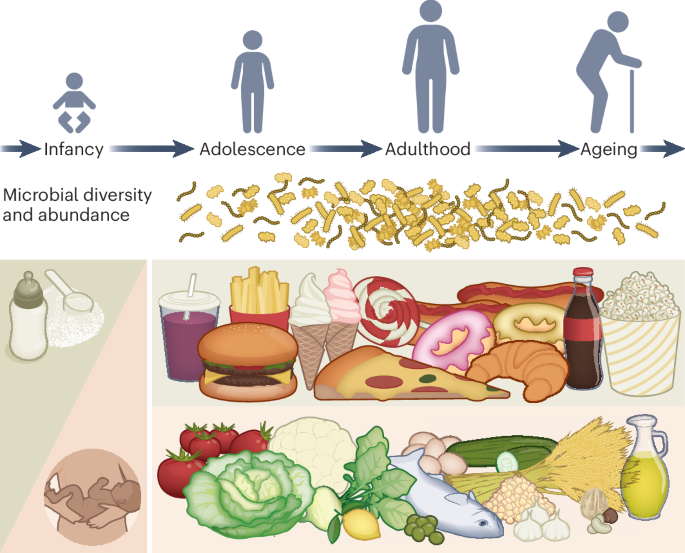
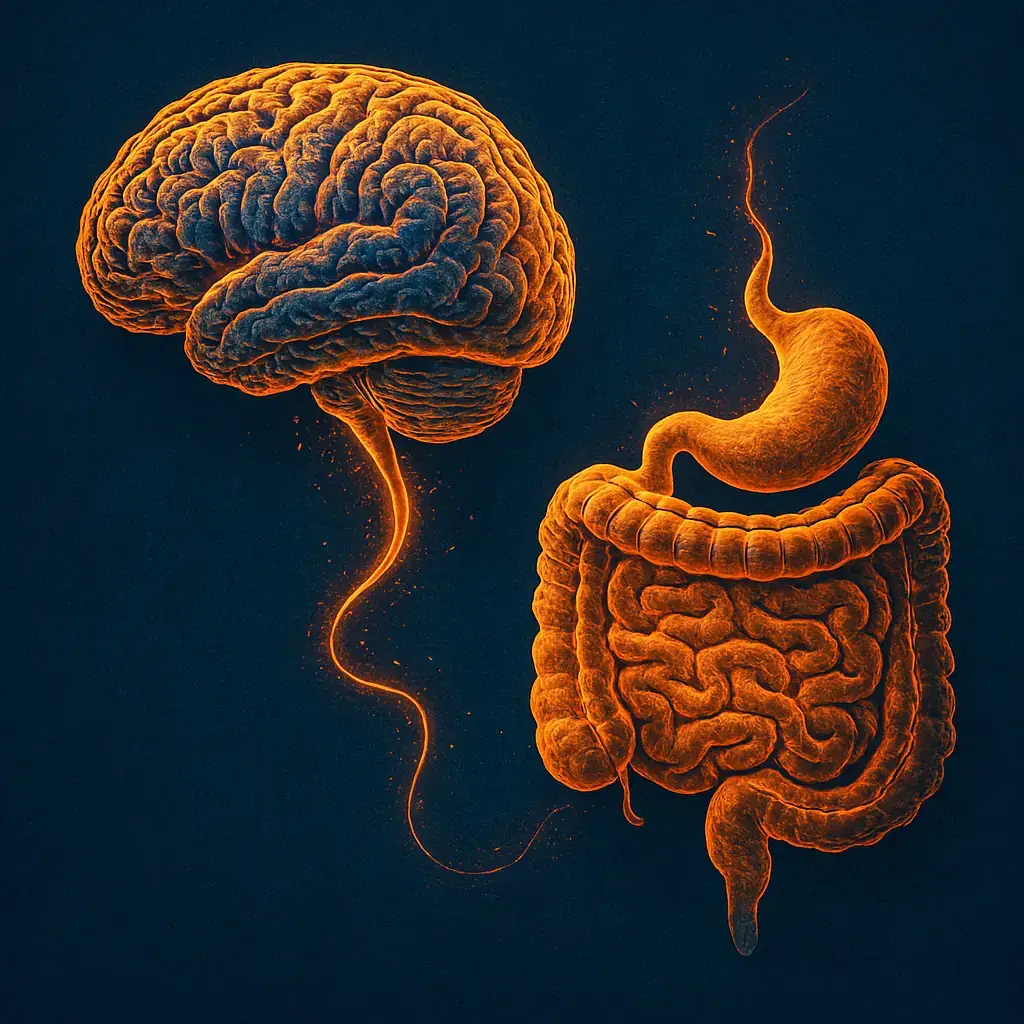
The gut-brain axis is the two-way communication highway between your digestive system and your central nervous system. In 2026, dietary strategies focus on feeding the microbiome to directly influence mood, cognitive clarity, and stress resilience. This approach moves beyond simple weight management to prioritize neurological health through specific food choices.
Extreme Health USA has curated a plan that integrates these scientific findings into actionable daily habits. By aligning your meals with the needs of your gut bacteria, you create a biological environment that supports mental well-being. The following steps outline how to begin this transition effectively.

7 Healthy Eating Tips from Extreme Health USA
Extreme Health USA’s 2026 Gut-Brain Diet protocol prioritizes specific food combinations that directly influence neurotransmitter production and gut microbiome diversity. This guide breaks down seven actionable, step-by-step eating strategies designed to optimize mental clarity and digestive health using evidence-based nutritional science.
-

Add fermented foods for gut diversity
Incorporate live-culture staples like yogurt, kefir, and sauerkraut to introduce beneficial bacteria directly into your digestive tract. These fermented powerhouses help balance your microbiome, which is crucial for producing neurotransmitters that regulate mood and cognitive function. Think of your gut as a garden; fermented foods are the seeds that help crowd out harmful strains while fostering a resilient, diverse ecosystem capable of supporting both digestive comfort and mental clarity throughout your day. -
Include prebiotic fiber sources daily
Feed your existing good bacteria with prebiotic fibers found in garlic, onions, bananas, and oats. Unlike probiotics, prebiotics are the fuel that allows beneficial microbes to thrive and multiply. This daily nourishment strengthens the gut lining, reducing inflammation that can negatively impact brain health. By consistently providing this raw material, you ensure your microbiome has the energy needed to produce short-chain fatty acids, which serve as critical communication signals between your gut and your brain. -
Choose omega-3 rich healthy fats
Prioritize foods high in omega-3 fatty acids, such as salmon, walnuts, and flaxseeds, to support brain cell membrane integrity. These essential fats reduce neuroinflammation and enhance the fluidity of neural pathways, facilitating better signal transmission between the gut and the brain. Regular consumption helps maintain the structural health of neurons, ensuring that the communication highway between your digestive system and cognitive centers remains open, efficient, and resistant to age-related decline or stress-induced damage. -

Limit processed sugars and additives
Reduce intake of refined sugars and artificial additives, which can disrupt the delicate balance of your gut microbiome. High sugar diets often promote the growth of harmful bacteria and yeast, leading to increased intestinal permeability or "leaky gut." This condition allows toxins to enter the bloodstream, triggering systemic inflammation that can impair cognitive function and mood stability. By minimizing these triggers, you protect the integrity of your gut barrier and support a clearer, more stable mental state. -
Stay hydrated with gut-friendly fluids
Maintain adequate hydration with water and herbal teas to support the mucosal lining of the intestines. Proper fluid intake ensures that digestive enzymes function efficiently and that waste moves smoothly through the colon, preventing constipation and toxin reabsorption. Dehydration can concentrate harmful substances in the gut, potentially affecting brain function through the gut-brain axis. Consistent hydration acts as a lubricant for this entire system, keeping the pathway between your digestive health and mental well-being clear and functional. -

Eat mindfully to reduce stress
Chew slowly and savor each bite to activate the parasympathetic nervous system, shifting your body from fight-or-flight into rest-and-digest mode. This deliberate pacing improves nutrient absorption and signals satiety hormones accurately, preventing overeating driven by emotional cravings rather than physical hunger. -
Prioritize whole plant-based protein sources
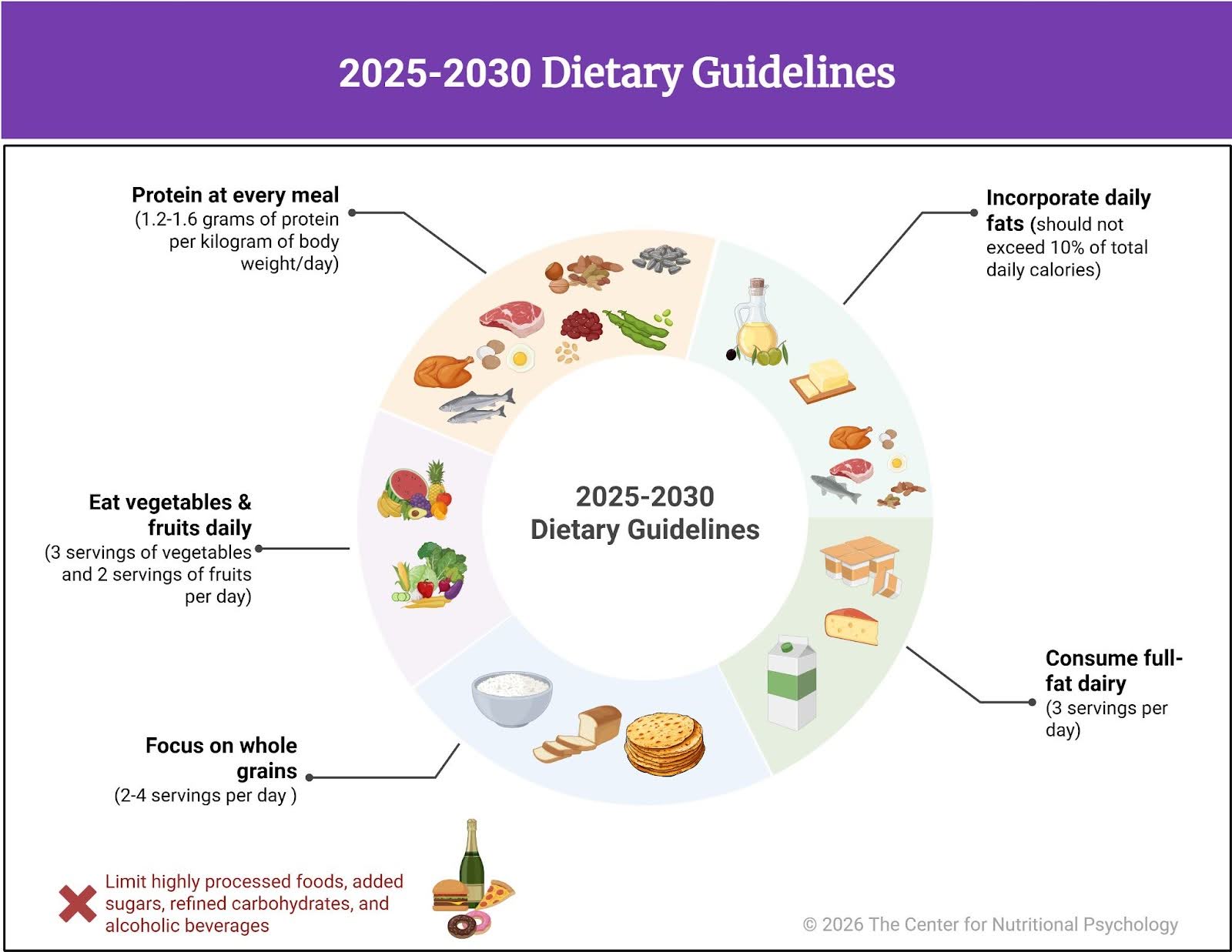
Swap processed meats for lentils, chickpeas, and quinoa to boost fiber intake while supporting muscle repair without inflammatory saturated fats. These plant proteins carry essential amino acids alongside polyphenols that feed beneficial gut bacteria, creating a synergistic effect that strengthens the intestinal barrier and reduces systemic inflammation linked to brain fog and fatigue.

Plan meals with Extreme Health USA guides
Sustaining the 2026 gut-brain diet requires moving beyond isolated tips to a structured daily routine. Extreme Health USA provides the foundational resources to turn nutritional theory into consistent habit. Their guides bridge the gap between knowing what to eat and actually preparing it without decision fatigue.
Start by selecting a weekly meal template from their curated library. Focus on recipes that prioritize fermented foods, fiber-rich vegetables, and lean proteins. These combinations support microbiome diversity, which is central to the gut-brain axis. You do not need to reinvent the wheel; their pre-validated plans remove the guesswork from grocery shopping and cooking.
Next, integrate a simple tracking method. Whether you use a physical notebook or a digital app, log your meals against the Extreme Health USA standards. This creates accountability and helps you identify patterns in how certain foods affect your energy and mood. Consistency is the primary driver of long-term gut health improvements.
By anchoring your routine to these reputable resources, you create a sustainable framework for health. The goal is not perfection, but a repeatable system that keeps your gut and brain connected through consistent, high-quality nutrition.
Common questions about the gut-brain diet
Understanding the gut-brain diet often starts with clarifying what it actually is. It is not a rigid set of rules but a dietary approach that prioritizes foods supporting both digestive health and mental clarity. Extreme Health USA emphasizes that this method focuses on whole, nutrient-dense ingredients rather than restrictive elimination.
Many people wonder if they need to buy expensive supplements to see results. While Extreme Health USA offers high-quality superfoods and natural dietary supplements to support this lifestyle, the core of the diet relies on accessible whole foods like fermented vegetables, leafy greens, and healthy fats. Supplements can help fill gaps, but they are not the foundation.
Implementation can feel overwhelming if you try to change everything at once. Start by adding one gut-friendly food to each meal, such as a side of sauerkraut or a handful of nuts. Consistency matters more than perfection. Small, sustainable changes allow your microbiome to adjust gradually, leading to better long-term outcomes for both your gut and your brain.

No comments yet. Be the first to share your thoughts!