
Start with the healthy eating plate
Vague advice like "eat healthy" rarely works for picky eaters. It feels overwhelming and leaves too much room for guesswork. Instead, use the Harvard Healthy Eating Plate as your visual anchor. This framework replaces complex calorie counting with a simple, repeatable structure that fits any plate.
The model is straightforward. Fill half your plate with vegetables and fruits. Choose colorful options when possible, as they offer different nutrients. For the other half, divide the space equally between whole grains and protein. Whole grains like brown rice or quinoa provide steady energy, while lean proteins like beans, fish, or poultry support muscle repair. Add a small side of healthy fats and dairy, such as a splash of olive oil or a glass of milk.
This approach works because it focuses on proportions rather than restrictions. You don't need to eliminate foods you dislike; you just need to balance them. By following this visual guide, you create meals that are naturally nutritious without requiring a degree in nutrition. The Harvard School of Public Health developed this model to be more accurate than older dietary guidelines, emphasizing whole foods over processed ones [src-serp-1].
Build your meal step by step
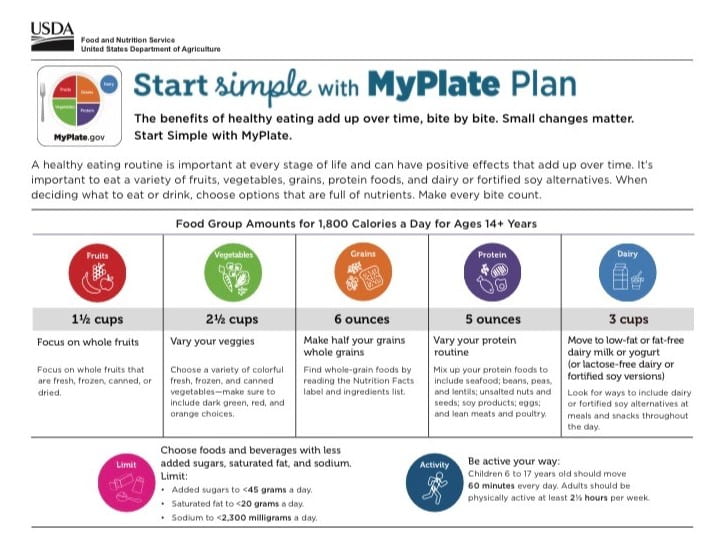
Start by dividing your plate in half. Fill one side with non-starchy vegetables like broccoli, spinach, or carrots. If you prefer fruit, add berries or apple slices. The goal is volume and color, which helps satisfy hunger with fewer calories.

Split the remaining half into two quarters. One quarter should hold whole grains like brown rice, quinoa, or whole-wheat pasta. The other quarter is for protein sources such as chicken, tofu, or beans. This balance ensures you get sustained energy and essential amino acids.

Finish with a small side of dairy, like a glass of milk or a yogurt cup, and a teaspoon of healthy fat like olive oil or avocado. These elements add flavor and help your body absorb nutrients from the vegetables and grains you just plated.
Step one: Fill half the plate with produce
Start by dividing your plate into two halves. One half is for vegetables and fruits; the other is for protein and grains. This visual split makes the goal feel manageable rather than overwhelming. You do not need to count calories or measure grams. You only need to ensure that colorful produce takes up 50% of your space at every meal.
For picky eaters, the texture of raw vegetables can be a barrier. Raw carrots or broccoli often feel too hard or fibrous. Cooking breaks down these tough fibers, making them softer and easier to chew. Roasting is the most reliable method. Toss vegetables in a little olive oil and salt, then roast them at 400°F (200°C) until they are tender and slightly caramelized. This process brings out natural sweetness and removes the "green" taste that many people dislike.
If roasting still feels like too much effort, try blending. Smoothies allow you to hide spinach or zucchini inside fruit flavors. The fruit masks the vegetable taste completely, while the texture becomes smooth and drinkable. Alternatively, blend cooked vegetables into pasta sauces. A cup of pureed butternut squash or carrots thickens tomato sauce and adds nutrients without changing the familiar flavor profile.
The USDA Dietary Guidelines for Americans emphasize eating real, whole foods and limiting highly processed options [src-serp-4]. Filling half your plate with produce is the simplest way to follow this advice. It shifts your focus from what you are restricting to what you are adding. Start with one meal a day where you prioritize this ratio. Once it becomes habit, apply it to every meal.
Swap refined carbs for whole grains and lean protein
The next step in building a healthy eating guide for picky eaters is balancing the plate. Refined carbs like white bread and sugary snacks cause energy spikes and crashes that make eating feel like a chore. Whole grains and lean proteins provide steady fuel, making meals more satisfying without overwhelming sensitive palates.
Choose whole grains over refined carbs
Whole grains keep the bran and germ intact, offering more fiber and nutrients than their refined counterparts. For picky eaters, the texture and flavor of whole grains can be a hurdle, but small swaps make a big difference. Start with familiar options like brown rice, quinoa, or whole-wheat pasta. These have a mild taste and soft texture that most children and adults accept easily.
If the chewiness of whole grains is off-putting, try mixing them with white rice or pasta. Start with a 25% whole grain to 75% refined ratio and gradually increase the whole grain portion. This approach allows the palate to adjust without noticing a drastic change. Oats, barley, and bulgur are also excellent choices that can be hidden in soups or used as a side dish.
Select easy-to-prepare lean proteins
Protein is essential for growth and repair, but heavy or fatty meats can be difficult to digest. Lean proteins like chicken breast, turkey, fish, eggs, and legumes are lighter and easier to prepare. They also offer a neutral flavor profile that pairs well with familiar sauces and seasonings.
For picky eaters, preparation method matters. Grilling, baking, or steaming keeps meats tender and avoids the strong flavors associated with frying. Ground turkey or chicken can be mixed into pasta sauces or meatballs, making the protein almost invisible. Beans and lentils are affordable, shelf-stable, and can be mashed into dips or added to soups for extra nutrition without changing the texture significantly.
Balance the plate
Aim for a plate that is half vegetables and fruits, one-quarter whole grains, and one-quarter lean protein. This visual guide simplifies meal planning and ensures a balanced intake of nutrients. The World Health Organization recommends a diet rich in nutrient-dense foods, including whole grains and lean proteins, to support overall health.
By focusing on these swaps, you create a foundation for healthy eating that respects picky preferences. The goal is not to eliminate favorite foods but to gradually introduce more nutritious options in a way that feels manageable and enjoyable.
Choose whole grains like brown rice or quinoa that have a mild flavor and soft texture. Mix them with white rice or pasta to ease the transition.
Grill, bake, or steam chicken, turkey, or fish. Keep preparations simple to avoid strong flavors that might deter picky eaters.

Aim for half vegetables and fruits, one-quarter whole grains, and one-quarter lean protein. This visual guide simplifies meal planning.
Add healthy fats and dairy
Fats and dairy are often misunderstood in picky eater diets, but they are essential for satiety and nutrient absorption. Healthy fats help you feel full longer, while dairy or alternatives provide calcium and protein. The goal is to integrate these foods in ways that don't overwhelm sensitive palates.
Start with mild, creamy fats that blend easily into familiar foods. Avocado can be mashed into toast or blended into smoothies where its texture disappears. Nut butters like peanut or almond butter offer a familiar flavor profile and can be spread on crackers or fruit slices. These additions provide energy-dense nutrition without requiring the eater to tackle strong flavors or unfamiliar textures.
For dairy, choose options with neutral tastes if strong flavors are a barrier. Plain yogurt can be sweetened with a little fruit or honey to mask tartness. Mild cheeses like mozzarella or cheddar can be melted into pasta or sandwiches, adding creaminess and protein without drawing attention to themselves. For those avoiding dairy, fortified plant-based milks or soy yogurt offer similar nutritional benefits.
The American Heart Association recommends focusing on unsaturated fats from sources like nuts, seeds, and avocados, while limiting saturated and trans fats. By choosing these healthier options, you support heart health while making meals more satisfying for picky eaters. Incorporating these elements gradually helps build a balanced diet that is both nutritious and acceptable to selective appetites.
Fix common healthy eating mistakes
Picky eaters often fall into predictable traps that undermine a healthy eating guide. The goal is not perfection but consistency. Small shifts in daily habits create the biggest impact over time. Use this comparison to spot where your routine might be slipping, then follow the steps to correct it.
Look at what you reach for when you are hungry but not at a meal. If it is a packaged snack or a sweet drink, that is your starting point. Write it down to see the pattern clearly.
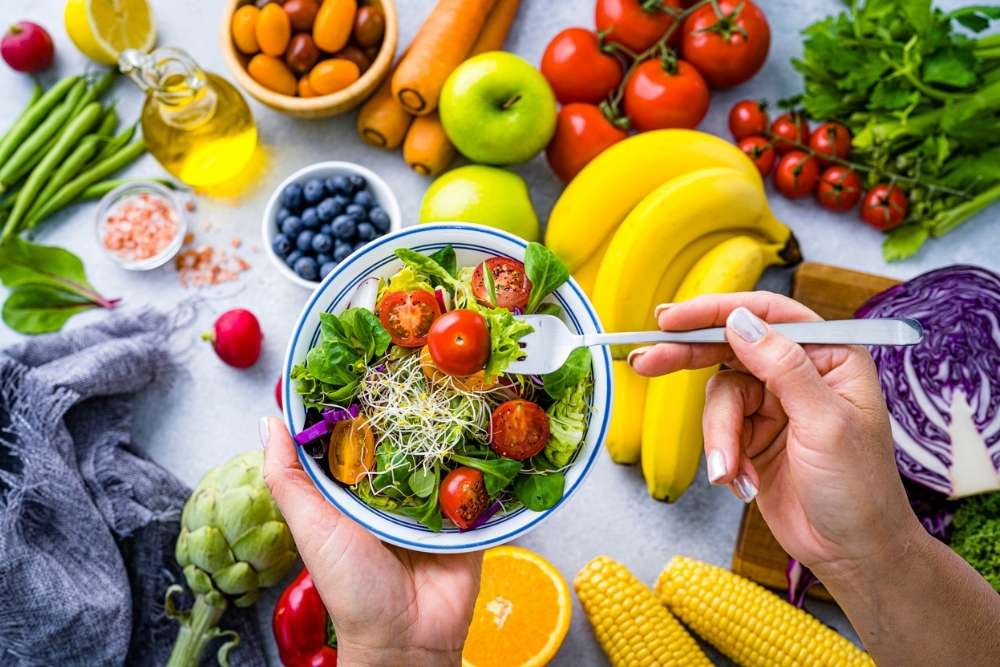
Do not try to change everything at once. Pick the mistake that feels easiest to fix. If you skip breakfast, keep a banana on your desk. If you drink soda, keep a bottle of sparkling water in the fridge.

Use a simple note on your phone to mark each day you stick to the swap. Consistency matters more than intensity. After a week, you will likely feel less sluggish and more satisfied.
Your weekly healthy eating checklist
Tracking your meals removes the guesswork from healthy eating, especially when you are trying new foods. A simple checklist turns vague goals into daily actions. Use this list to ensure every day includes the core food groups recommended by the Harvard T.H. Chan School of Public Health and the CDC.
Print this section or save it to your phone. Check off items as you go. Consistency matters more than perfection.
-
Add one vegetable to breakfast or lunch
-
Swap refined grains for whole grains like oats or brown rice
-
Include a lean protein source such as beans, eggs, or fish
-
Drink water instead of sugary beverages
-
Try one new fruit or vegetable each week
Frequently asked questions about healthy eating
Here are the most common practical questions about building a healthy eating guide for picky eaters, focusing on cost, time, and specific food aversions.
For more detailed guidance on assembling these meals, refer to the Healthy Eating Plate from the Harvard T.H. Chan School of Public Health or the CDC’s healthy eating tips.

No comments yet. Be the first to share your thoughts!