

2025 Ozempic Diet Guide: What to Eat While on Weight Loss Medication
Understanding Ozempic and Its Impact on Your Nutrition Needs
As weight loss medications like Ozempic (semaglutide) continue to transform the landscape of obesity treatment in 2025, understanding how to optimize your diet while taking these medications has become crucial for achieving sustainable results. Ozempic, a GLP-1 receptor agonist originally developed for managing type 2 diabetes, works by mimicking the GLP-1 hormone that naturally regulates appetite and insulin secretion. This mechanism leads to reduced hunger, slower digestion, and ultimately, significant weight loss when combined with proper nutrition strategies.

The medication's effects on your digestive system create unique nutritional considerations that require careful attention. As Ozempic slows gastric emptying and reduces appetite, many patients experience changes in their relationship with food, including decreased cravings and earlier satiety. While these effects support weight loss goals, they also necessitate strategic meal planning to ensure adequate nutrient intake and prevent potential side effects like nausea or digestive discomfort.
Essential Nutritional Principles for Ozempic Users
Successfully navigating your diet while on Ozempic requires understanding three fundamental principles that will guide your food choices throughout your weight loss journey. These principles focus on maximizing nutrient density, supporting your body's changing needs, and minimizing potential gastrointestinal side effects that can occur with GLP-1 medications.
Prioritizing Protein for Muscle Preservation
Lean protein sources become particularly important when using weight loss medications, as rapid weight loss can sometimes result in muscle mass reduction alongside fat loss. Your body requires adequate protein to maintain muscle tissue, support metabolic function, and promote satiety between meals. The slower digestion caused by Ozempic actually works in your favor here, as protein-rich foods will keep you satisfied for extended periods.
Recommended Daily Protein Intake for Ozempic Users by Weight and Activity Level
| Body Weight (lbs) | Sedentary/Light Activity (g) | Moderate Activity (g) | High Activity (g) | Notes |
|---|---|---|---|---|
| 120-140 | 65-76 | 82-95 | 98-112 | Minimum 0.54g per lb body weight |
| 141-160 | 77-87 | 96-109 | 113-128 | Focus on lean protein sources |
| 161-180 | 88-98 | 110-123 | 129-144 | Distribute throughout the day |
| 181-200 | 99-109 | 124-136 | 145-160 | Pair with fiber-rich foods |
| 201-220 | 110-120 | 137-150 | 161-176 | Monitor portion sizes carefully |
| 221-250 | 121-136 | 151-170 | 177-200 | Consider protein timing with meals |
| 251-280 | 137-153 | 171-191 | 201-224 | Adjust based on satiety response |
Embracing High-Fiber Foods for Digestive Health
High-fiber foods play a dual role in your Ozempic diet strategy. First, they support healthy digestion and help maintain stable blood sugar levels, which is particularly beneficial given the medication's effects on glucose regulation. Second, fiber-rich foods provide essential nutrients while contributing to feelings of fullness without adding excessive calories to your daily intake.
Vegetables, fruits, whole grains, and legumes should form the foundation of your meal planning. These foods not only provide necessary vitamins and minerals but also help prevent constipation, a common side effect experienced by some Ozempic users due to the medication's impact on digestive motility.
Top High-Fiber Foods for Ozempic Users
- Chia Seeds - 1 ounce (2 tablespoons) provides 10 grams of fiber. These tiny seeds expand in liquid, promoting satiety and supporting digestive health while on Ozempic.
- Black Beans - 1/2 cup cooked contains 7.5 grams of fiber. Rich in protein and fiber, black beans help stabilize blood sugar and prevent constipation common with GLP-1 medications.
- Raspberries - 1 cup fresh provides 8 grams of fiber. These antioxidant-rich berries offer natural sweetness while supporting digestive regularity for Ozempic users.
- Artichoke Hearts - 1 medium cooked artichoke delivers 10 grams of fiber. This vegetable supports digestive health and provides prebiotics that benefit gut bacteria.
- Steel-Cut Oats - 1/4 cup dry (1/2 cup cooked) contains 4 grams of fiber. This slow-digesting grain helps maintain steady blood sugar levels and promotes fullness.
- Avocado - 1/2 medium avocado provides 7 grams of fiber. Rich in healthy fats and fiber, avocados support nutrient absorption and digestive health.
- Brussels Sprouts - 1 cup cooked contains 4 grams of fiber. These cruciferous vegetables support detoxification and provide essential nutrients while preventing constipation.
- Flaxseeds - 1 tablespoon ground provides 3 grams of fiber. Ground flaxseeds are easier to digest and offer omega-3 fatty acids alongside their fiber content.
Incorporating Healthy Fats Strategically
While reducing overall caloric intake is often a goal when using weight loss medications, completely eliminating fats from your diet can be counterproductive. Healthy fats from sources like avocados, nuts, seeds, and olive oil support heart health, enhance the absorption of fat-soluble vitamins, and contribute to meal satisfaction.
The key is choosing the right types of fats and consuming them in appropriate portions. Since Ozempic slows digestion, high-fat meals might initially cause discomfort for some users. Starting with smaller portions of healthy fats and gradually increasing them as your body adjusts can help minimize any digestive issues.
Building Your Ozempic-Friendly Meal Framework
Creating a sustainable eating pattern while on Ozempic requires a structured approach that accommodates the medication's effects while ensuring nutritional adequacy. Your meal framework should emphasize smaller, more frequent meals that are nutrient-dense and easy to digest.
Understanding portion control becomes even more critical when appetite suppression is enhanced by medication. Many Ozempic users find that their previous portion sizes are no longer appropriate, and learning to recognize new hunger and satiety cues is essential for long-term success.
Frequently Asked Questions About Ozempic Nutrition
As we continue into Part 2 of this comprehensive guide, we will explore specific meal planning strategies, address common dietary challenges faced by Ozempic users, and provide practical recipes designed to work harmoniously with your medication regimen. Understanding these foundational principles sets the stage for developing a personalized nutrition approach that supports both your weight loss goals and overall health while maximizing the benefits of your Ozempic treatment.
Essential Foods to Include in Your Ozempic Diet Plan
When following an ozempic diet guide, selecting the right foods becomes crucial for maximizing your weight loss medication nutrition benefits while minimizing potential side effects. The key is choosing nutrient-dense options that work synergistically with semaglutide's appetite-suppressing effects.
Protein-Rich Foods for Sustained Energy
Lean proteins should form the foundation of your healthy eating while on ozempic plan. These foods help preserve muscle mass during weight loss and provide sustained satiety that complements Ozempic's hunger-reducing effects. Focus on incorporating 20-30 grams of protein per meal to optimize your results.
Fish, particularly salmon, mackerel, and sardines, offer the added benefit of omega-3 fatty acids, which support heart health and may help reduce inflammation. Poultry without skin, lean cuts of beef, and plant-based proteins like tofu and tempeh are excellent choices that align with diet tips usa recommendations for sustainable weight management.
Fiber-Rich Vegetables and Fruits
High-fiber foods are essential components of any effective ozempic diet guide because they slow digestion, stabilize blood sugar levels, and enhance the medication's effectiveness. Aim for at least 25-35 grams of fiber daily through a variety of colorful vegetables and low-glycemic fruits.
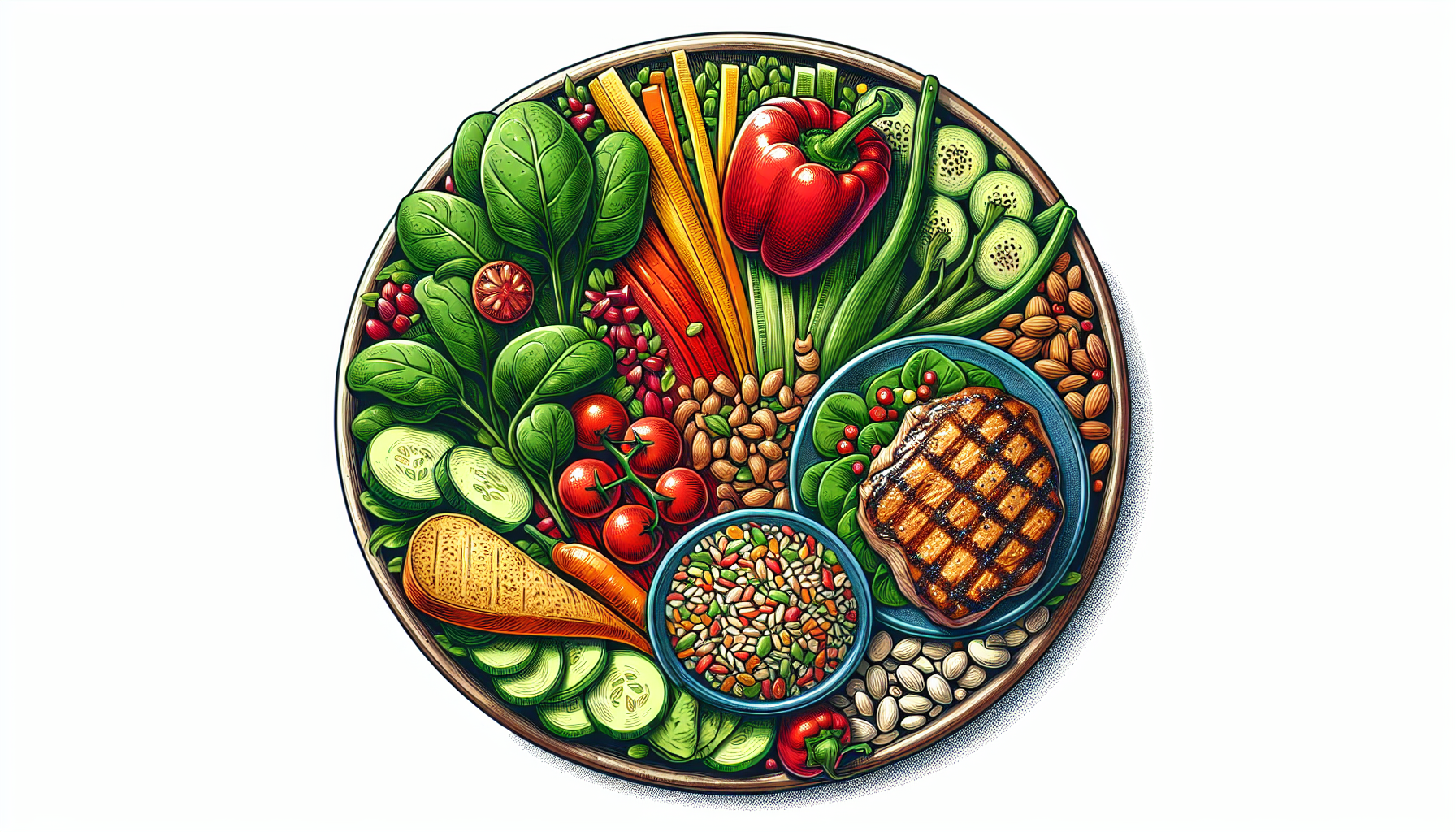
Non-starchy vegetables like broccoli, spinach, bell peppers, and zucchini should comprise the largest portion of your plate. These foods are low in calories but high in essential vitamins and minerals, making them perfect for weight loss medication nutrition plans. Berries, apples, and pears provide natural sweetness while delivering significant fiber content.
Complex Carbohydrates for Steady Energy
While on Ozempic, choosing the right carbohydrates becomes even more important due to the medication's effect on gastric emptying. Complex carbohydrates provide sustained energy without causing rapid blood sugar spikes that could interfere with your progress.
Quinoa, brown rice, oats, and sweet potatoes are excellent choices that provide sustained energy and important B vitamins. These foods digest slowly, which works well with Ozempic's mechanism of delaying gastric emptying, helping you feel satisfied for longer periods.
Healthy Fats for Hormone Production
Incorporating moderate amounts of healthy fats is crucial for hormone production and nutrient absorption. Monounsaturated and polyunsaturated fats support overall health while enhancing meal satisfaction, which is particularly beneficial when following healthy eating while on ozempic protocols.
Avocados, nuts, seeds, and olive oil should be included in measured portions. These fats help slow digestion further, complementing Ozempic's effects and reducing the likelihood of experiencing rapid hunger between meals.
Hydration and Meal Timing Strategies
Proper hydration becomes even more critical when taking weight loss medications. Aim for at least 8-10 glasses of water daily, and consider timing your fluid intake to support medication absorption and reduce potential gastrointestinal side effects.
Eating smaller, more frequent meals aligns perfectly with Ozempic's appetite-suppressing effects. This approach helps prevent overwhelming your digestive system while ensuring consistent nutrient intake throughout the day.
Sample Nutrient-Dense Recipe
To help you implement these principles, here's a balanced recipe that exemplifies optimal weight loss medication nutrition:
This recipe provides approximately 25 grams of protein, 8 grams of fiber, and healthy fats while remaining under 400 calories per serving. The combination of nutrients supports Ozempic's effectiveness while providing sustained energy and satisfaction.
Common Questions About Ozempic Diet Planning
Remember that extreme health usa emphasizes the importance of working with healthcare providers to develop personalized nutrition plans. Individual responses to both medication and dietary changes can vary, making professional guidance essential for optimal results and safety.
Foods to Avoid and Limit While Taking Ozempic
Understanding what foods to avoid is just as important as knowing what to include in your ozempic diet guide. Certain foods can exacerbate side effects, interfere with medication effectiveness, or counteract your weight loss goals. By making informed choices about weight loss medication nutrition, you can optimize your results while minimizing discomfort.
High-Fat and Fried Foods
Foods high in saturated fats and fried items can slow gastric emptying even further when combined with Ozempic, potentially leading to increased nausea, bloating, and digestive discomfort. Limit fast food, deep-fried items, fatty cuts of meat, and processed foods high in trans fats.
Refined Sugars and Simple Carbohydrates
Sugary foods and beverages can cause rapid blood sugar spikes, working against Ozempic's glucose-regulating effects. Avoid candy, sodas, pastries, white bread, and processed snacks that offer little nutritional value while potentially triggering cravings.
Managing Side Effects Through Strategic Eating
Most people experience some gastrointestinal side effects when starting Ozempic. However, strategic dietary choices can significantly reduce these symptoms while supporting your healthy eating while on ozempic journey.
Combating Nausea
Start with smaller, more frequent meals rather than three large ones. Choose bland, easily digestible foods like plain rice, toast, or crackers when nausea strikes. Ginger tea or ginger supplements may also provide natural relief.
Preventing Constipation
Ozempic can slow digestion, potentially leading to constipation. Increase your fiber intake gradually through vegetables, fruits, and whole grains. Ensure adequate hydration by drinking at least 8-10 glasses of water daily.
Sample Meal Plans and Timing Strategies
Proper meal timing and portion control are essential components of effective weight loss medication nutrition. These strategies help maximize Ozempic's appetite-suppressing effects while ensuring adequate nutrient intake.
Daily Meal Structure
Plan for 4-5 smaller meals throughout the day rather than traditional large meals. This approach aligns with Ozempic's effects on gastric emptying and helps maintain stable blood sugar levels. Each meal should include a balance of lean protein, complex carbohydrates, and healthy fats.
Hydration and Supplement Considerations
Proper hydration becomes even more critical when taking Ozempic, as the medication can affect digestion and potentially lead to dehydration if side effects like nausea or vomiting occur. Additionally, reduced food intake may necessitate careful attention to micronutrient status.
Hydration Guidelines
Aim for clear fluids between meals rather than during meals to avoid feeling overly full. Water, herbal teas, and clear broths are excellent choices. Monitor your urine color as an indicator of hydration status.
Long-term Success Strategies
Sustainable weight loss while on Ozempic requires developing healthy eating patterns that you can maintain long-term. Focus on creating positive food relationships and building skills that will serve you throughout your weight loss journey and beyond.
Building Healthy Habits
Use this period of reduced appetite as an opportunity to retrain your taste preferences toward whole, nutrient-dense foods. Practice mindful eating techniques, paying attention to hunger and fullness cues that may be altered by the medication.
Monitoring Progress and Adjusting Your Diet
Regular monitoring of your progress helps ensure your ozempic diet guide is working effectively. Track not only weight changes but also energy levels, side effects, and overall well-being to make necessary adjustments.
Frequently Asked Questions
Following these diet tips usa recommendations while taking Ozempic can significantly enhance your weight loss success while minimizing side effects. Remember that extreme health usa emphasizes the importance of working with healthcare providers to develop a personalized nutrition plan that meets your individual needs and medical requirements. Consistency in following these guidelines, combined with regular medical monitoring, provides the foundation for safe and effective weight loss with Ozempic.


No comments yet. Be the first to share your thoughts!