
Build your plant-forward plate
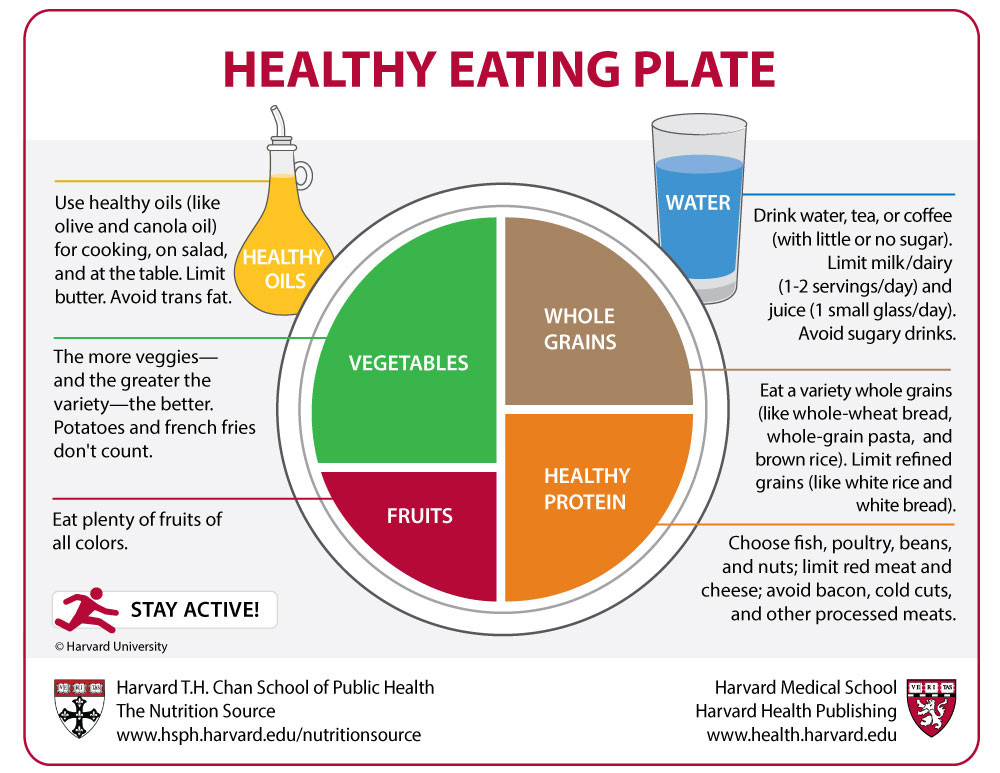
A plant-forward plate shifts the focus from meat to vegetables, grains, and legumes without demanding perfection. The Harvard Healthy Eating Plate and World Health Organization guidelines both point to the same practical structure: half the plate for vegetables and fruits, one quarter for whole grains, and one quarter for healthy proteins. This visual ratio works because it simplifies portion control and nutrient density into a single glance.
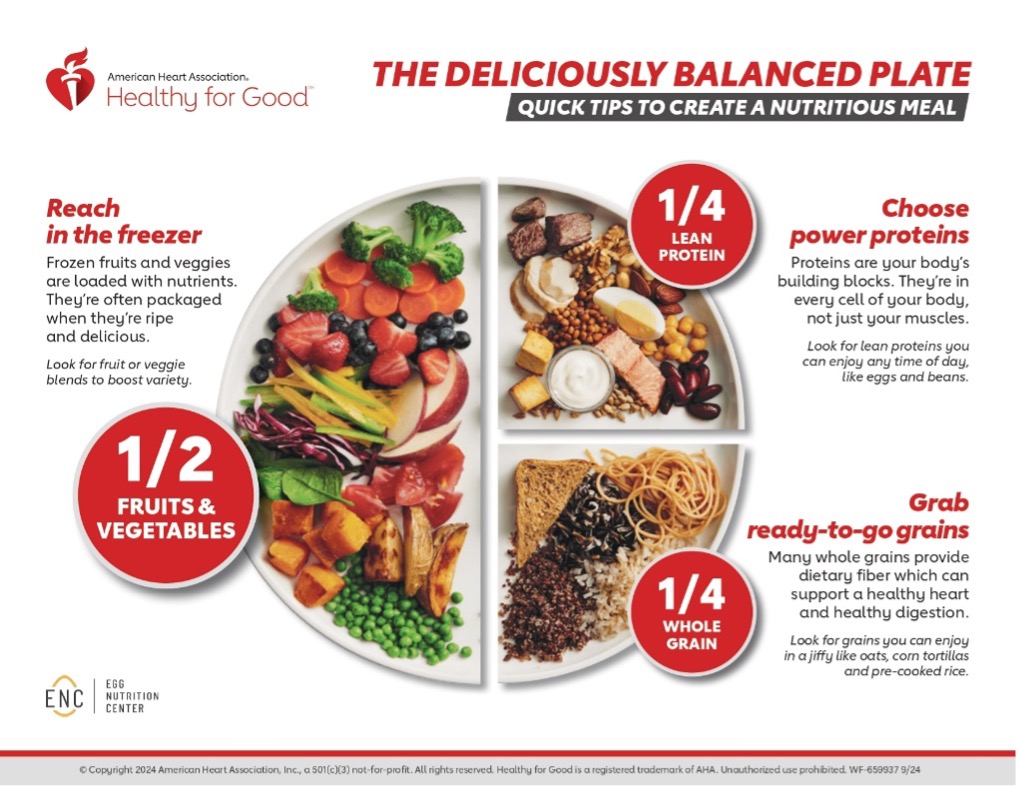
For picky eaters, this model removes the pressure to cook complex dishes. You do not need to master five new recipes to eat this way. Instead, you can start with familiar textures and mild flavors. A bowl of oatmeal with berries, a sandwich on whole-grain bread with sliced cucumber, or a pasta dish with hidden vegetable sauce all fit the plant-forward definition. The goal is consistency, not culinary innovation.
This framework sets the stage for the specific tactics that follow. Rather than overhauling your entire diet overnight, you will learn ten manageable strategies to integrate more plants into your existing routine. Each approach targets common barriers like texture sensitivity, flavor aversion, or time constraints, making it easier to stick with the habit long-term.
10 Healthy Eating Guide Strategies for Picky Eaters
Transforming the 2026 Plant-Forward Plate for picky eaters requires strategic swaps rather than total overhauls. These 10 actionable steps, validated by Harvard and WHO guidelines, leverage visual cues and texture management to make nutritious eating intuitive and appealing.
-
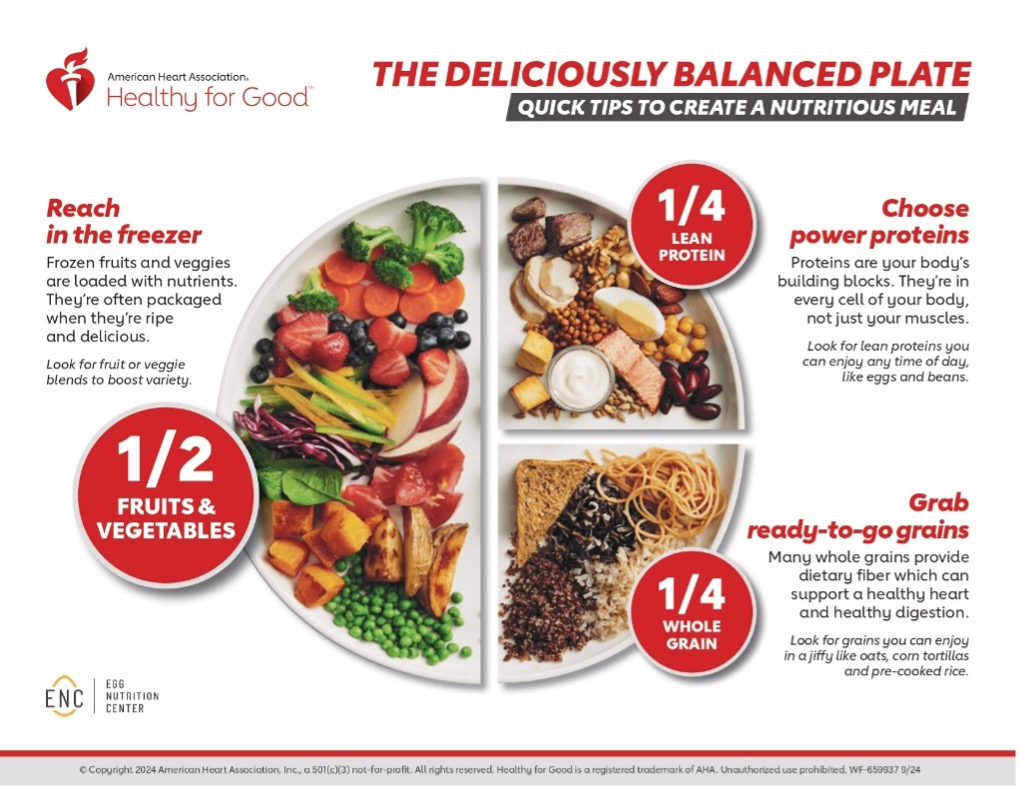
Fill half the plate with colorful vegetables
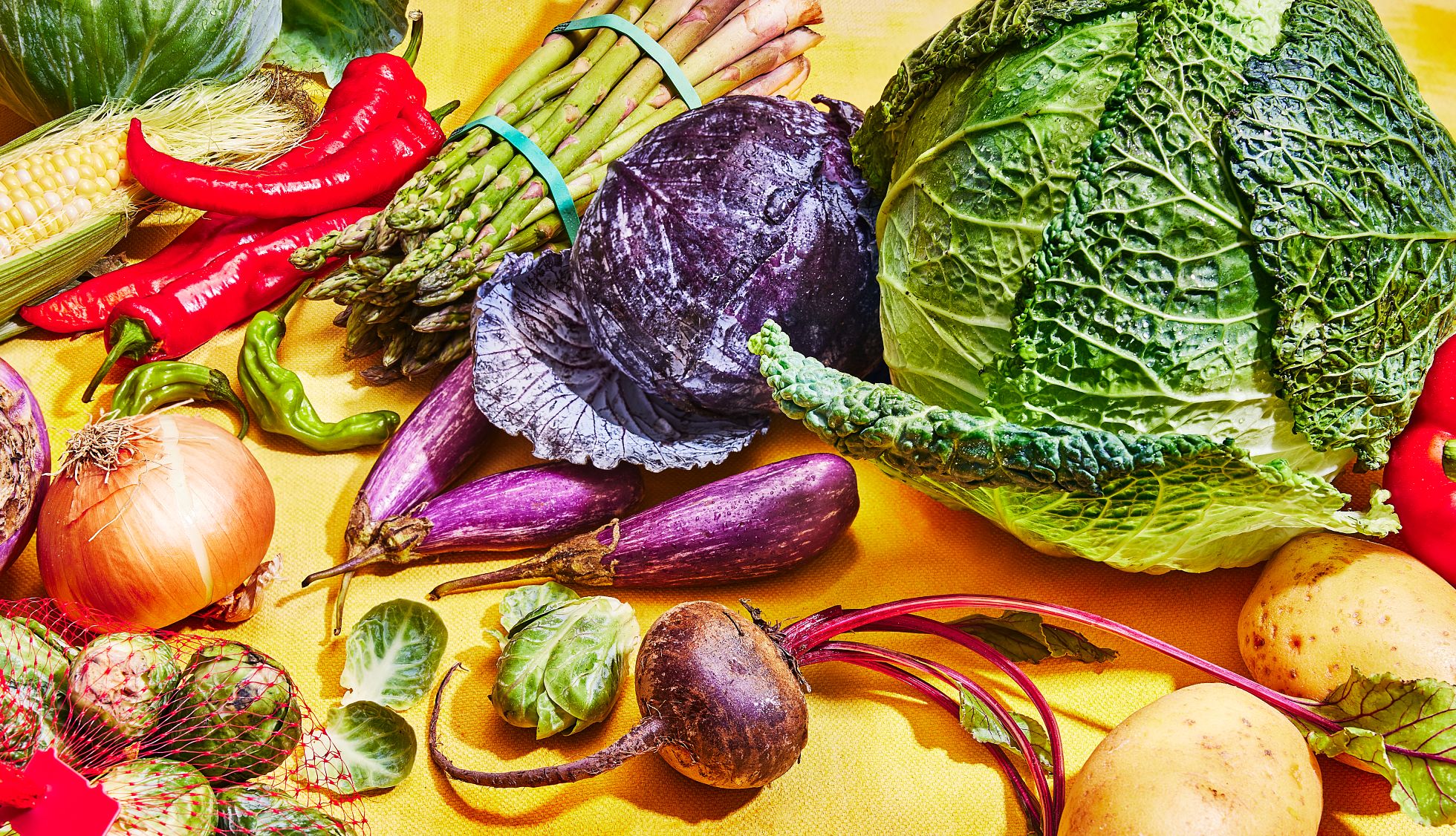
Visualize your dinner plate as a clock face where vegetables occupy the 6-to-12 o’clock sector. This simple geometric rule, endorsed by the Harvard Healthy Eating Plate, ensures you consume adequate fiber and micronutrients without feeling deprived. For picky eaters, start with familiar favorites like steamed broccoli or roasted carrots. The approach transforms abstract nutrition goals into a tangible, visual boundary that guides portion control effortlessly during every meal. -
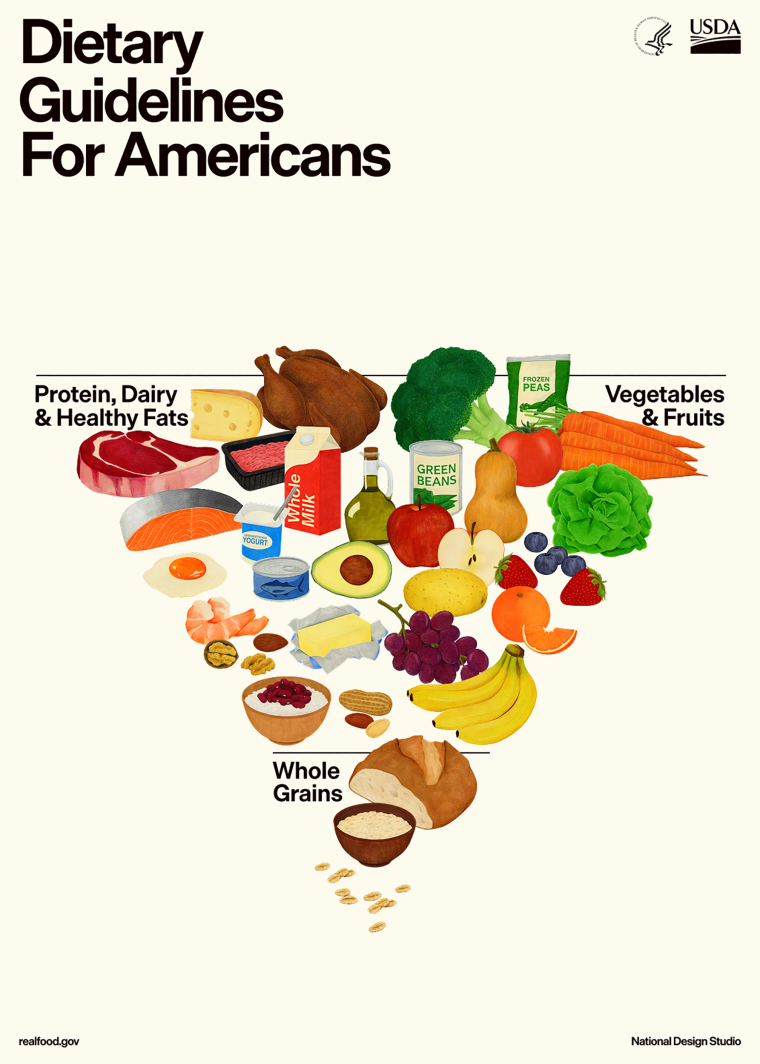
Choose whole grains over refined options
Swap white rice and refined pasta for whole grains like quinoa, brown rice, or oats. These options retain the bran and germ, providing sustained energy and essential B vitamins that refined versions lack. The shift supports better blood sugar regulation, a key factor in maintaining steady energy levels throughout the day. Start by mixing half whole grain with half refined grain to ease the transition for sensitive palates accustomed to softer textures. -
Incorporate plant-based proteins daily
Plant-based proteins like lentils, chickpeas, and tofu offer essential amino acids without the saturated fats found in some meats. The Harvard Health guidelines emphasize these sources for their heart-healthy benefits and environmental sustainability. For picky eaters, try blending lentils into pasta sauces or adding chickpeas to familiar salads. This strategy increases fiber intake while providing a satisfying, chewy texture that mimics meat, making the switch less daunting. -
Add healthy fats for flavor and satiety
Healthy fats from avocados, nuts, seeds, and olive oil enhance meal satisfaction by slowing digestion and promoting fullness. Unlike carbohydrates, fats provide a rich mouthfeel that can make bland vegetables more appealing. Sprinkle chia seeds on yogurt or drizzle olive oil over roasted veggies to boost nutrient absorption of fat-soluble vitamins. This addition helps stabilize hunger cues, reducing the urge to snack on processed items between meals and supporting long-term dietary adherence for those with selective eating habits. -
Limit added sugars and processed snacks
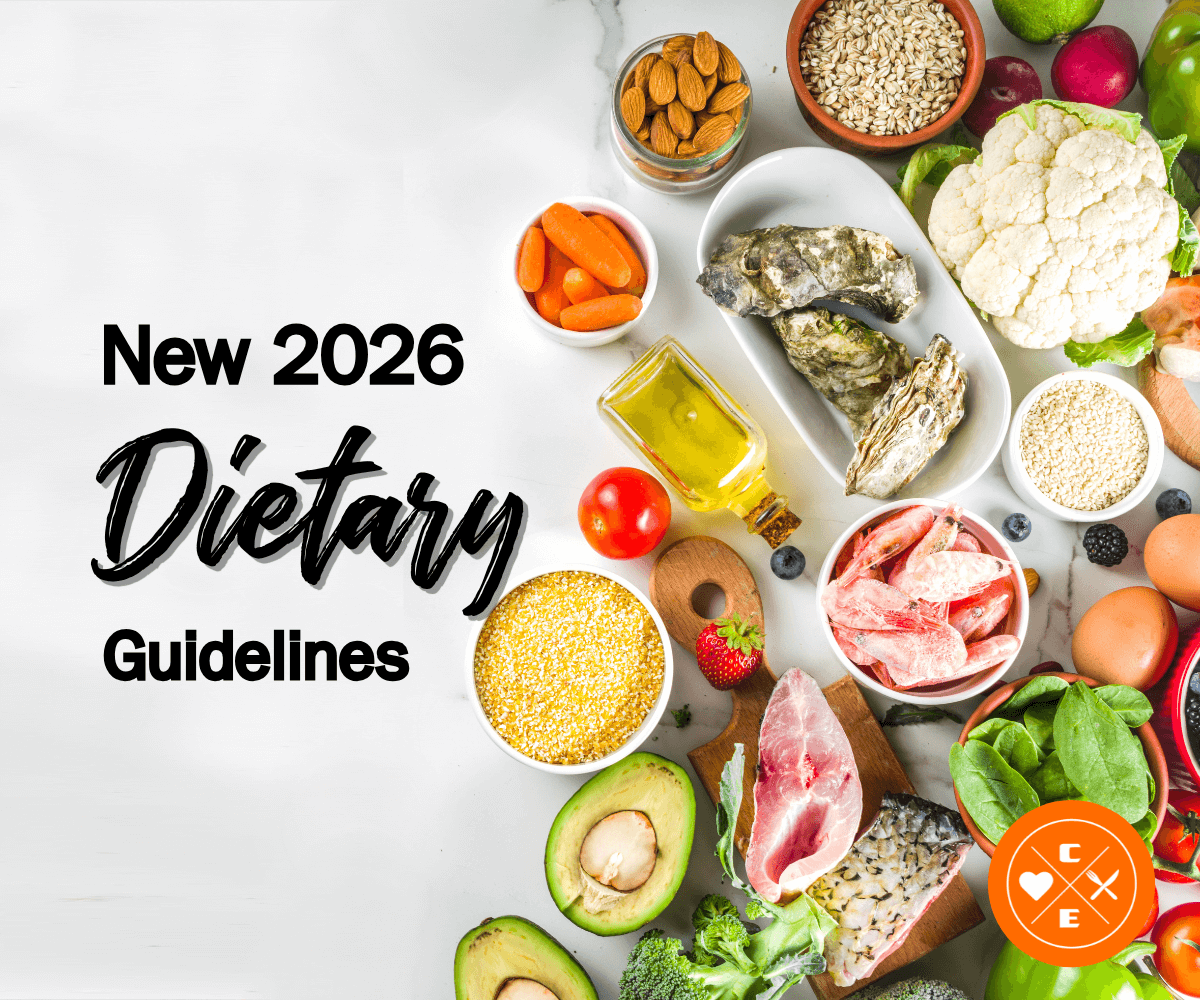
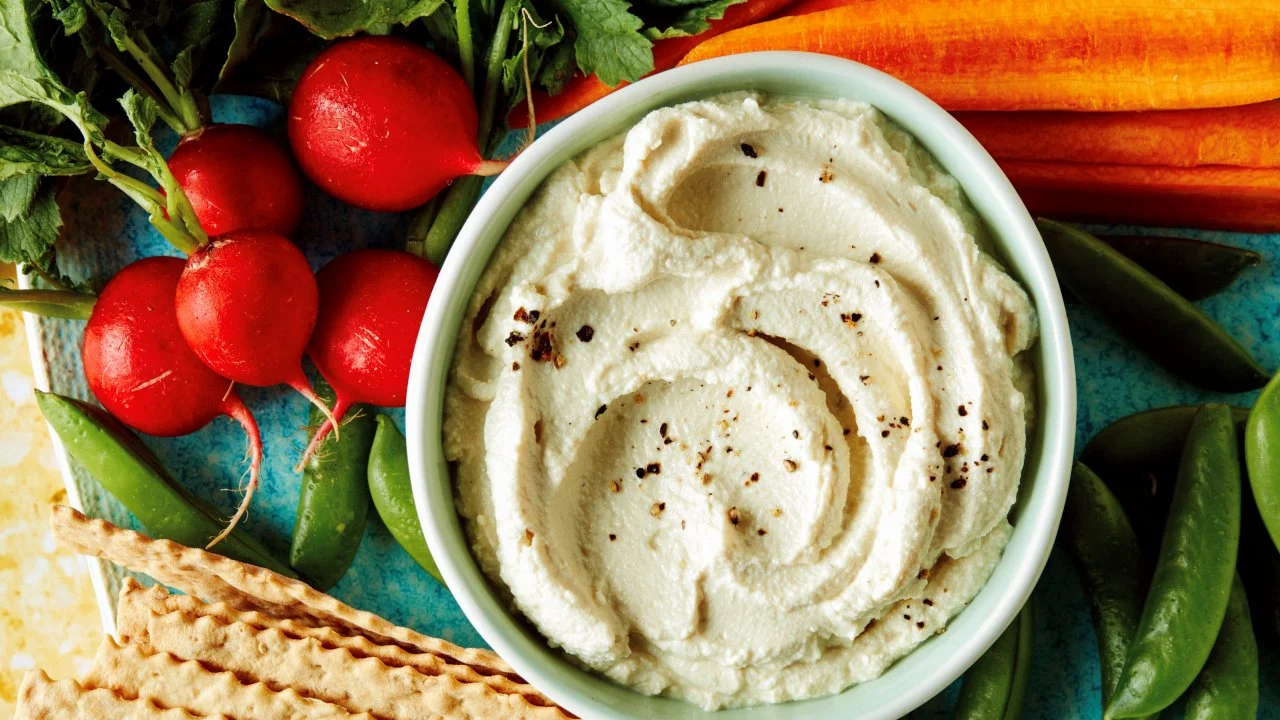
Reducing added sugars and highly processed snacks helps stabilize energy levels and prevents the crash-and-binge cycle. The 2026 Dietary Guidelines highlight the importance of minimizing these items to lower risks of chronic diseases. Replace sugary drinks with infused water and swap chips for raw vegetable sticks with hummus. This shift encourages a palate that appreciates natural sweetness from fruits, making whole foods more appealing and reducing reliance on artificial flavor enhancers. -
Stay hydrated with water and herbal teas
Dehydration often masquerades as hunger, tricking picky eaters into craving snacks they do not actually need. Harvard Health notes that mild dehydration can impair concentration and energy levels. Keep a reusable bottle visible on your desk or kitchen counter. Herbal teas like peppermint or chamomile offer flavor without sugar, making hydration feel like a treat rather than a chore. This simple habit stabilizes energy and reduces unnecessary snacking urges throughout the day. -

Plan meals to reduce decision fatigue
Decision fatigue drives impulsive choices, especially when hunger strikes unexpectedly. Pre-planning meals for the week creates a safety net against grabbing convenient, processed options. Use the USDA MyPlate guidelines to balance portions before you shop. Having ingredients ready reduces the mental load of cooking. This structure provides security for picky eaters who thrive on routine, ensuring healthy options are always accessible without last-minute stress or compromise. -

Experiment with new flavors gradually
Introducing new tastes requires patience and small, manageable steps. Start by adding a single new spice or herb to a dish you already love. This subtle shift expands your palate without triggering rejection. Consistency matters more than intensity; repeated exposure over weeks builds acceptance. Avoid forcing large portions of unfamiliar foods. Instead, focus on tiny, positive associations with new ingredients, allowing your taste buds to adapt naturally without pressure or negative reinforcement. -

Listen to your body's hunger cues
Mindful eating helps distinguish between physical hunger and emotional cravings. Pay attention to your stomach’s signals before reaching for food. Stop eating when you feel satisfied, not stuffed. This practice prevents overeating and helps you recognize true nutritional needs. Over time, tuning into these internal cues builds a healthier relationship with food. It empowers you to choose nourishing options based on genuine bodily requirements rather than external triggers or habitual patterns. -

Pair new foods with familiar favorites
Combining a new, unfamiliar item with a trusted comfort food lowers the barrier to entry. If you enjoy pasta, try adding a small portion of a new vegetable to the sauce. The familiar taste provides a safe anchor, making the new element less intimidating. This strategy leverages positive associations to encourage exploration. It transforms the eating experience from a challenge into a comfortable adventure, gradually expanding your dietary repertoire without overwhelming your senses.
Frequently asked questions about the plant-forward plate
Transitioning to a plant-forward diet can feel overwhelming, especially when navigating picky eating habits or budget constraints. These answers address the most common concerns, drawing on guidance from the Harvard T.H. Chan School of Public Health and the World Health Organization to keep your approach practical and evidence-based.
How do I get enough protein on a plant-forward diet?
You don’t need meat to hit your protein targets. Plant-based sources like lentils, chickpeas, tofu, and quinoa are packed with protein and fiber. For picky eaters, start by swapping ground beef in familiar recipes with textured vegetable protein or finely chopped mushrooms. The Harvard Healthy Eating Plate recommends making half your plate vegetables and fruits, and a quarter whole grains, leaving room for protein-rich plants that keep you full.
Is a plant-forward diet expensive?
Not necessarily. While some specialty meat alternatives cost more, whole plant foods like beans, rice, and seasonal vegetables are among the most affordable items in the grocery store. Buying dried beans in bulk, freezing leftover grains, and choosing frozen vegetables can stretch your budget further. The key is planning meals around these staples rather than relying on processed substitutes.
How do I handle picky eaters at the table?
Start by introducing one new plant-based ingredient at a time alongside familiar foods. Let picky eaters help with simple tasks like washing vegetables or stirring a pot, which can increase their willingness to try new things. Serve vegetables with dips like hummus or yogurt-based sauces to make them more appealing. Consistency and patience are more effective than forcing tastes, according to pediatric nutrition experts.
Can I still eat out on a plant-forward diet?
Yes, most restaurants offer plant-forward options. Look for salads, grain bowls, or vegetable-heavy pasta dishes. Don’t hesitate to ask for modifications, such as swapping meat for beans or extra vegetables. Many chains now clearly label plant-based items, making it easier to navigate menus without feeling restricted.
Start your plant-forward journey today
Building a plant-forward diet doesn't require a complete lifestyle overhaul overnight. The CDC emphasizes that healthy eating focuses on whole, nutrient-dense foods rather than strict deprivation, making it easier for picky eaters to find familiar, comforting options within a healthier framework. By gradually swapping refined grains for whole grains or adding a hidden vegetable puree to a favorite sauce, you can improve nutrition without triggering resistance.
Start with one or two strategies from this guide that feel manageable. Maybe it's trying a new fruit or swapping meat for beans in a chili. Consistency beats intensity. Small, sustainable changes accumulate into lasting health benefits, backed by research from organizations like the American Heart Association and the NHS.

Choose a single, low-effort change, like adding one extra vegetable side or switching to whole-grain bread, and stick with it for a week.
Use the tips to create one easy, plant-forward dish that appeals to your taste preferences, ensuring you enjoy the process.
Notice how you feel after eating. Adjust portions or ingredients based on your energy levels and satisfaction, not rigid rules.
You have the tools and the knowledge. Now, trust your palate and take that first small step toward a healthier, happier you.

No comments yet. Be the first to share your thoughts!