
Beyond Kale: Why 'Climate Resilience' is the New Superfood Standard
We’ve all heard about superfoods – blueberries, kale, chia seeds. But the definition is shifting. It’s no longer enough for a food to simply be nutrient-dense; it needs to be climate resilient. That is, able to thrive – or at least survive – in the increasingly unpredictable conditions our planet is facing. Traditional agriculture is struggling. We're seeing yields decline and food systems become more fragile, and simply hoping for the best isn’t a strategy.
The focus is shifting to crops and food sources that can withstand drought, floods, extreme temperatures, and changing pest patterns. This isn't about sacrificing flavor or nutrition, it's about ensuring we have food in the future. It’s about building a food system that works with nature, not against it. We’re looking at foods that require less water, fewer pesticides, and can still deliver the nutrients we need.
I’ve been researching this extensively, drawing on reports from the Center for Health and the Global Environment at the University of Washington and initiatives spearheaded by organizations like IDH, which focus on sustainable supply chains. These sources consistently point to a need for diversification and a move towards crops better suited to a changing climate. This isn't a trend; it’s a necessity. It’s about proactive adaptation, and frankly, it's a hopeful approach to a potentially scary problem.
Sick of superbugs or bland eats? 🦠🍔 Biotech revolutions, AI-powered gene editing & synthetic bio, are curing diseases & birthing sustainable superfoods. Texas-sized lab-grown brisket, anyone? 🔥😂 What health win would YOU engineer?
— Othell Hamilton (@HamiltonOthell) March 18, 2026
The Harsh Realities: How Climate Change is Disrupting Our Food Supply
The impacts of climate change on food production are already being felt globally. California’s ongoing drought, for instance, has severely limited almond and avocado production, driving up prices and impacting livelihoods. In Europe, the heatwaves of 2022 decimated crops like corn and soybeans, leading to significant yield losses. Southeast Asia is facing increased flooding, damaging rice paddies and threatening the food security of millions.
These aren't isolated incidents. We're seeing a pattern of extreme weather events disrupting agricultural systems worldwide. Increased temperatures lead to faster crop maturation, often resulting in smaller yields. Changing rainfall patterns create water stress in some regions and excessive moisture in others, fostering the spread of plant diseases. Pest patterns are also shifting, exposing crops to new threats.
The disruptions extend beyond the farm. Supply chains are becoming increasingly vulnerable to climate-related shocks, leading to price volatility and food shortages. This is especially concerning for communities that already face food insecurity. It's a complex web of interconnected challenges, and finding solutions requires a fundamental shift in how we approach food production.
Sorghum: The Ancient Grain Making a Comeback
Sorghum is a shining example of a climate-resilient superfood. This ancient grain, originating in Africa, is remarkably drought-tolerant, requiring significantly less water than corn or wheat. It can thrive in marginal soils where other crops struggle, and it’s naturally pest-resistant, reducing the need for harmful pesticides. It is a true survivor.
Nutritionally, sorghum is a powerhouse. It’s a good source of protein, fiber, and antioxidants, and it’s gluten-free, making it suitable for people with celiac disease or gluten sensitivity. It's also a complex carbohydrate, meaning it releases energy slowly, helping to regulate blood sugar levels. The grain has a mild, slightly sweet flavor that lends itself well to both savory and sweet dishes.
Historically, sorghum has been a staple food in Africa and Asia for thousands of years. It's not a new discovery, but rather a rediscovery. Farmers are returning to sorghum as a reliable crop in the face of climate change, and chefs are embracing its versatility. You can find it as flour, whole grain, or even syrup – a great substitute for corn syrup in many recipes. I recently used it to make a delicious flatbread with roasted vegetables.
- Sorghum Flatbread with Roasted Vegetables: A simple recipe using sorghum flour.
- Sorghum Salad: A refreshing salad with cooked sorghum, chopped vegetables, and a lemon vinaigrette.
Millet: Tiny Grain, Massive Potential
Similar to sorghum, millet is a group of small-seeded grasses that are incredibly resilient to drought and can grow in poor soils. There are several varieties, including pearl millet, finger millet, and foxtail millet, each with slightly different characteristics. Pearl millet, for example, is particularly drought-resistant, while finger millet is a rich source of iron. These aren’t just subtle differences; they offer farmers and consumers options.
Millet is also a nutritional superstar. It’s packed with iron, magnesium, and other essential nutrients. It's a good source of protein and fiber, and it has a low glycemic index, making it a healthy choice for people with diabetes or those looking to manage their blood sugar levels. The flavor is mildly nutty, and the texture can vary depending on the variety.
I’m particularly interested in the potential of millet to address food security in arid and semi-arid regions. It requires minimal inputs and can produce a reliable yield even in challenging conditions. It’s a crop that empowers farmers and provides a sustainable food source for communities. It's a fantastic ingredient for porridge, pilafs, and even baked goods.
Seaweed: The Ocean's Answer to Sustainable Nutrition
Seaweed farming is a remarkably sustainable practice. Unlike land-based agriculture, it requires no freshwater, no fertilizers, and no pesticides. In fact, it actively improves the marine environment by absorbing CO2 and providing habitat for marine life. It’s a win-win for both the planet and our health.
There's a wide variety of edible seaweeds, each with its own unique flavor and nutritional profile. Nori, the seaweed used in sushi, is rich in vitamin A and iodine. Kelp is a good source of iodine and other minerals. Wakame is often used in miso soup and is high in calcium. These aren't just trace nutrients; they’re essential for human health.
One concern people often raise is heavy metal contamination. It’s a valid point, and it’s important to source seaweed from reputable suppliers who monitor for contaminants. Sustainable harvesting practices are also crucial to ensure the long-term health of seaweed ecosystems. I believe that with responsible management, seaweed can play a significant role in our future food system.
- Nori: Used in sushi, rich in vitamin A and iodine.
- Kelp: A good source of iodine and other minerals.
- Wakame: Often used in miso soup, high in calcium.
5 Ways to Embrace Seaweed
- Nori Snacks - Enjoy pre-roasted nori sheets as a crispy, low-calorie snack. Often flavored with sea salt or sesame oil, they’re a convenient way to get your iodine fix.
- Kelp Noodles - These translucent noodles are made from kelp and are very low in calories and carbohydrates. They can be added to soups, salads, or stir-fries as a gluten-free noodle alternative.
- Dulse Flakes - Dulse is a red seaweed that can be dried and crumbled into flakes. Sprinkle dulse flakes on eggs, salads, popcorn, or avocado toast for a savory, umami flavor and a boost of minerals.
- Seaweed Salad (Wakame) - A popular side dish in Japanese cuisine, wakame seaweed salad is a refreshing and flavorful way to incorporate seaweed into your diet. Look for it at Asian grocery stores or sushi restaurants.
- Seaweed Seasoning (Kombu) - Kombu is often used to make dashi, a Japanese soup stock, but powdered kombu can also be used as a seasoning. It adds a savory, umami flavor to soups, stews, and vegetable dishes.
Pulses (Lentils, Chickpeas, Beans): Nitrogen Fixers for a Healthier Planet
Pulses – lentils, chickpeas, beans, and peas – are more than just a good source of protein and fiber. They're also incredibly beneficial for soil health. They have a symbiotic relationship with bacteria in their roots that fix nitrogen from the atmosphere, converting it into a form that plants can use. This reduces the need for synthetic fertilizers, which are energy-intensive to produce and can have negative environmental impacts.
Nutritionally, pulses are a powerhouse. They're packed with protein, fiber, iron, and other essential nutrients. They're also a complex carbohydrate, providing sustained energy. Different types of pulses offer different flavors and textures, making them incredibly versatile in the kitchen. From hearty stews to flavorful salads, pulses can be incorporated into a wide range of dishes.
I’m impressed by the efficiency of pulses. They require relatively little water and can tolerate a range of soil conditions. They’re a resilient crop that can contribute to both food security and environmental sustainability. It's a simple choice that has a big impact.
Root Vegetables: Underground Resilience
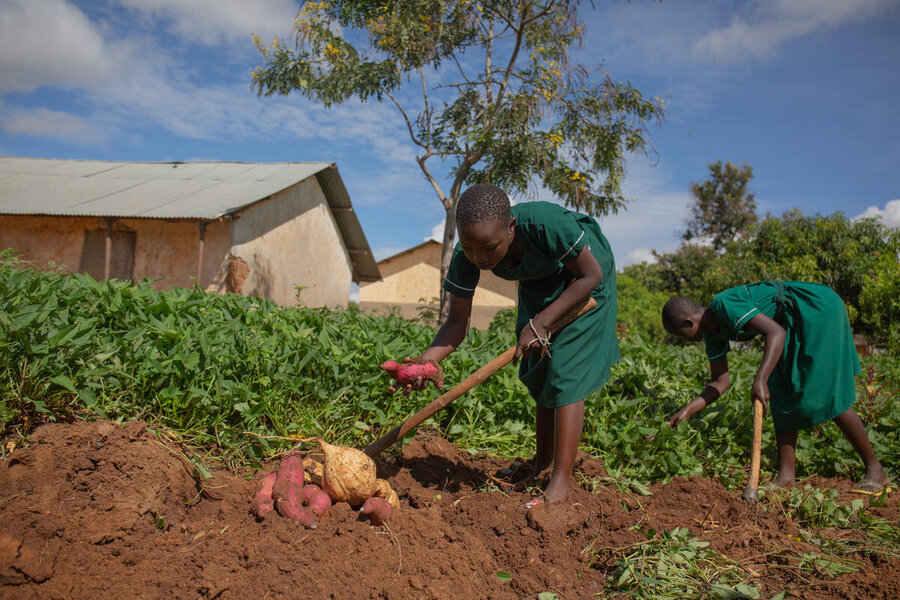
Often overlooked, root vegetables like sweet potatoes, cassava, and yams are incredibly resilient crops. They can thrive in marginal soils and are relatively drought-tolerant. Their ability to store energy underground also makes them less vulnerable to extreme weather events. They are a foundational food for many cultures, and for good reason.
Sweet potatoes are a fantastic source of vitamin A and fiber. Cassava is a staple food in many tropical regions and provides a reliable source of carbohydrates. Yams are rich in potassium and other essential nutrients. These vegetables aren’t just filling; they’re incredibly nutritious. They store well, which is crucial for food security.
I think we need to re-evaluate our perception of 'superfoods.' Often, we focus on exotic and expensive ingredients, while overlooking the nutritional power of humble, locally-grown root vegetables. They’re a sustainable and affordable way to improve our diets and build a more resilient food system.
Sweet Potatoes, Cassava, and Yams: A Climate Resilience Comparison
| Characteristic | Sweet Potato | Cassava | Yam |
|---|---|---|---|
| Drought Tolerance | Good - Tolerates moderate drought conditions | Excellent - Highly drought resistant | Moderate - Requires more consistent moisture |
| Storage Life | Good - Several months with proper curing and storage | Excellent - Can be stored for extended periods (up to 2 years) without spoilage | Moderate - Susceptible to spoilage, shorter storage life than sweet potato or cassava |
| Nutritional Profile | Rich in Vitamin A, Vitamin C, and fiber | Primary source of carbohydrates, moderate Vitamin C | Good source of Vitamin C, potassium, and fiber |
| Common Culinary Uses | Roasted, mashed, fries, pies, stews | Flour, tapioca, gari, stews | Roasted, boiled, fried, pounded into fufu |
| Growing Conditions | Prefers warmer climates, well-drained soil | Thrives in poor soils, adaptable to various climates | Requires well-drained soil, humid climates |
| Pest & Disease Resistance | Generally good resistance, but susceptible to sweet potato weevils | Relatively pest and disease resistant | Vulnerable to nematodes and rot |
Qualitative comparison based on the article research brief. Confirm current product details in the official docs before making implementation choices.
Beyond the Usual Suspects: 6 More Climate-Smart Foods to Watch
The world of climate-resilient foods extends far beyond the crops we’ve already discussed. Here are six more to keep an eye on. Amaranth, an ancient grain originating in the Americas, is highly drought-tolerant and packed with protein. Teff, a tiny grain from Ethiopia, is another drought-resistant option and a good source of iron and calcium.
Bambara Groundnut, often called the 'African peanut,' is incredibly drought-resistant and can thrive in poor soils. Fonio, a West African grain, is fast-growing and requires minimal inputs. Moringa, a tree native to India, is incredibly nutritious – its leaves, pods, and seeds are all edible and packed with vitamins and minerals. Finally, Spirulina, a blue-green algae, is a complete protein source and can be grown in a variety of conditions.
These foods may not be as familiar as kale or quinoa, but they offer a wealth of nutritional benefits and are well-suited to a changing climate. Supporting the cultivation and consumption of these crops can help build a more sustainable and resilient food system. It’s about diversifying our diets and embracing the incredible diversity of the plant kingdom. I'm excited to see these foods gain more recognition.
- Amaranth: Drought-tolerant, high in protein
- Teff: Drought-resistant, good source of iron and calcium
- Bambara Groundnut: Drought-resistant, thrives in poor soils
- Fonio: Fast-growing, minimal inputs
- Moringa: Highly nutritious leaves, pods, and seeds
- Spirulina: Complete protein source, versatile growth conditions



No comments yet. Be the first to share your thoughts!