
The Coming Wave: AI and the Future of Picky Eating
Picky eating isn’t just a childhood phase; it’s a surprisingly widespread issue affecting people of all ages. From toddlers refusing vegetables to adults with limited dietary ranges, the challenge of getting adequate nutrition can be significant. Traditional dietary advice often falls short because it’s so generalized. A blanket recommendation to "eat more greens" doesn't help someone who genuinely finds the texture or taste of most vegetables repulsive.
But 2026 is looking different. Advances in artificial intelligence are finally offering the potential for truly personalized nutritional guidance. We're moving beyond simple calorie counting and macronutrient tracking to a level of understanding that considers individual preferences, sensory sensitivities, and even underlying psychological factors. This isn’t about forcing people to eat what they don't like, it’s about finding ways to make healthy eating more accessible and enjoyable.
The power lies in AI’s ability to analyze vast amounts of data and identify patterns that humans simply can’t see. It can learn why someone might resist certain foods – is it the bitterness, the texture, a past negative experience? – and tailor recommendations accordingly. This is a huge leap forward. Forbes recently highlighted the need for AI transparency in nutrition labeling, and I completely agree. Building trust will be essential for widespread adoption of these technologies.
This isn't about replacing registered dietitians, either. I see AI as a powerful tool to augment their expertise, allowing them to provide even more effective and personalized care. It can handle the data analysis and routine recommendations, freeing up dietitians to focus on the more complex aspects of patient counseling and support.
Beyond Generic Plans: How AI Learns Your Food Preferences
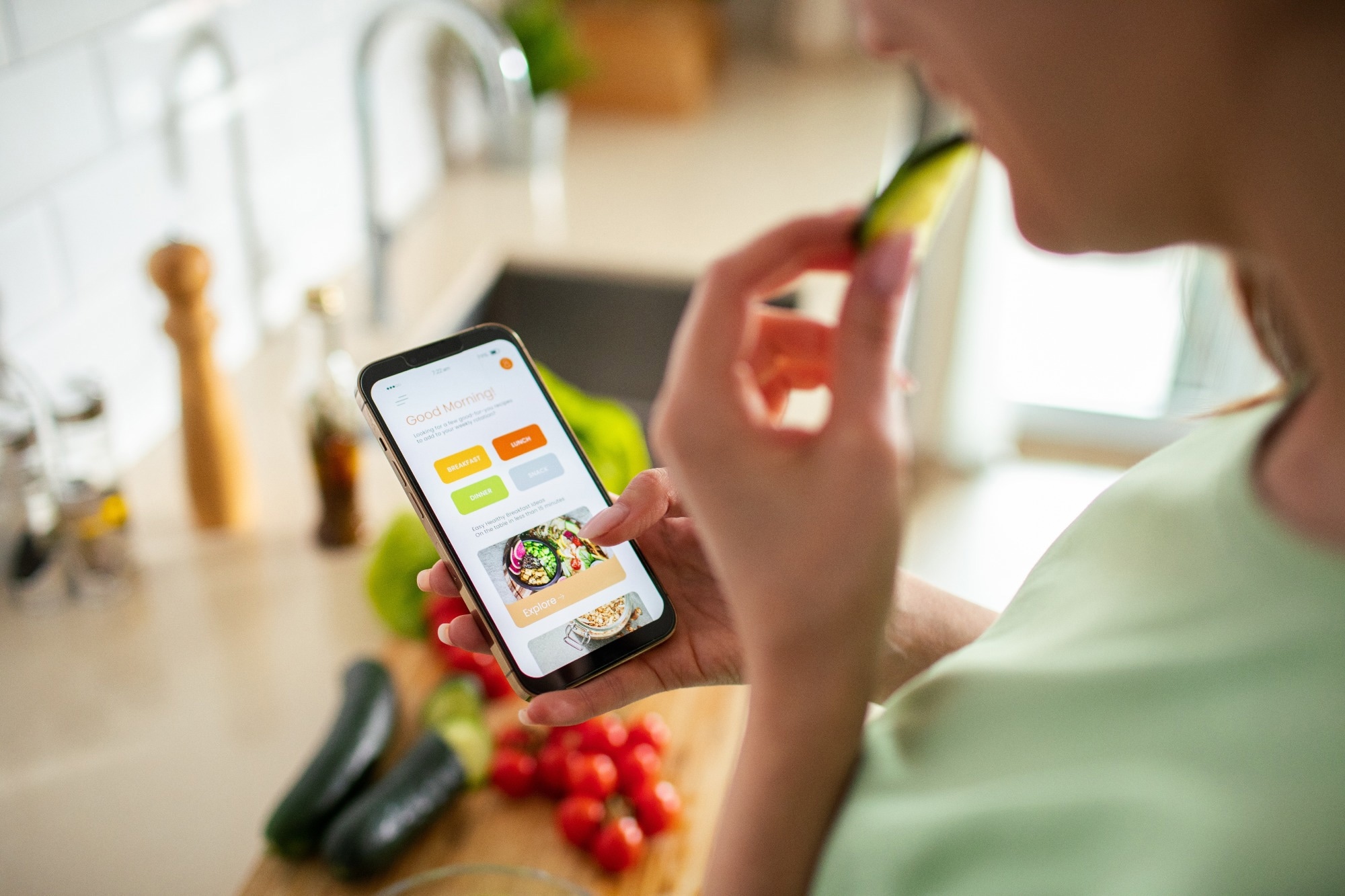
So, how do these AI-powered diet apps actually work? The core principle is data collection. Most apps start with a detailed food diary – what you eat, when you eat it, and how you feel after eating it. Some go further, asking about your emotional associations with food, your cooking skills, and your lifestyle. The more information an AI has, the better it can understand your unique needs.
Many apps also offer the option to integrate genetic information. While this raises privacy concerns (we’ll get to that), it can provide valuable insights into your predispositions to certain taste preferences or nutritional deficiencies. Data from wearable sensors, like smartwatches that track activity levels and sleep patterns, can also be incorporated. This provides a holistic view of your health and how it relates to your diet.
The data is then fed into machine learning algorithms. These algorithms identify patterns in your food aversions and preferences. For example, if you consistently rate foods with a slimy texture negatively, the AI will learn to avoid suggesting similar foods. It’s a process of continuous learning and refinement. The Healthcare Digital award for their Nutrition AI, developed with Morrison Healthcare, demonstrates how this is moving from theory to practice in real-world settings.
Data privacy is, understandably, a major concern. Reputable apps employ robust security measures, including data encryption and anonymization techniques. It’s crucial to read the privacy policies carefully before sharing any personal information. The best apps will also give you control over your data – the ability to access it, modify it, and delete it.
- Food Diary: Detailed record of your eating habits.
- Genetic Information (Optional): Insights into taste preferences and nutritional needs.
- Wearable Sensor Data: Activity levels, sleep patterns, and other health metrics.
Companies are experimenting with personalized diet apps, saying the future of healthy eating is A.I.https://t.co/vtuyhGsOqz
— Frank Lipman MD (@DrFrankLipman) March 22, 2022
The Picky Eater Profile: AI’s Nuanced Understanding
"Picky eater’ is a broad term that encompasses a wide range of behaviors and motivations. It’s not simply about disliking vegetables. AI is helping us understand the nuances of picky eating by creating detailed ‘picky eater profiles." These profiles go beyond simple likes and dislikes, identifying the reasons behind food aversions.
One common type is the sensory-sensitive eater. These individuals are highly attuned to textures, smells, and tastes, and may be easily overwhelmed by certain foods. Another is the neophobic eater, who exhibits a fear of new foods. This is often rooted in a survival instinct, but it can be problematic in modern society. Texture aversions are also common – some people simply can’t tolerate mushy, crunchy, or slimy foods.
Then there are those who prefer bland flavors, often due to a lower number of taste buds or a learned preference for milder tastes. AI can identify these different profiles and tailor recommendations accordingly. For example, an app might suggest pureeing vegetables into sauces for a sensory-sensitive eater or offering them in different colors and shapes for a neophobic eater.
This is a significant improvement over traditional advice, which often assumes that picky eating is simply a matter of willpower. AI acknowledges that there are legitimate reasons why people resist certain foods and offers solutions that address those reasons directly.
- Sensory-Sensitive Eater: Highly attuned to textures, smells, and tastes.
- Neophobic Eater: Fear of new foods.
- Texture Aversion: Dislike of specific textures (mushy, crunchy, slimy).
- Bland Flavor Preference: Preference for milder tastes.
What's Your Picky Eating Style?
Picky eating isn't just a childhood phase! Understanding *why* you avoid certain foods can be the first step towards a healthier, more enjoyable relationship with food. This quiz, informed by the latest in AI-powered nutrition insights, will help identify your unique picky eating style and point you towards strategies for success. As smart diet apps become more sophisticated, personalized approaches are revolutionizing how we tackle these challenges.
AI-Powered Recipe Adaptation: Making the Unappetizing, Appetizing
The real magic of AI-powered nutrition apps lies in their ability to adapt recipes to a picky eater’s profile. It's not enough to simply suggest a recipe; the app needs to modify it to make it palatable. This involves techniques like ingredient substitution, flavor masking, and texture adjustments. For example, if someone dislikes the taste of broccoli, the app might suggest substituting cauliflower or using a smaller amount of broccoli and incorporating it into a cheese sauce.
Flavor masking is another powerful tool. This involves using strong flavors – like garlic, onion, or spices – to disguise the taste of disliked ingredients. Texture adjustments can include pureeing vegetables, chopping them into smaller pieces, or offering them in different forms (roasted, steamed, stir-fried). I’m curious about how AI handles incredibly complex recipes with dozens of ingredients – can it intelligently pinpoint the specific elements triggering the aversion?
AI can also play a role in visual presentation. Studies have shown that the way food is plated can significantly impact its appeal. An app might suggest arranging food in a visually appealing way, using colorful garnishes, or creating fun shapes. It’s all about making the food more inviting. This is a relatively new area of research, but the initial results are promising.
The sophistication of these algorithms is impressive. They aren’t just making random substitutions; they’re considering the chemical interactions between ingredients and the impact on flavor and texture. It's about maintaining the nutritional value of the meal while maximizing its appeal to the picky eater. Some apps even allow users to rate the modified recipes, providing further feedback to the AI and improving its recommendations over time.
The Role of Gamification and Behavioral Science
AI isn’t solely about algorithms and data analysis; it’s also about understanding human behavior. Many AI-powered nutrition apps incorporate gamification – rewards, challenges, progress tracking – to encourage picky eaters to try new foods. This taps into our natural desire for accomplishment and positive reinforcement. Earning badges for trying a new vegetable or completing a weekly challenge can be surprisingly motivating.
These apps also leverage principles of behavioral science, like exposure therapy and positive reinforcement. Exposure therapy involves gradually introducing a disliked food in small amounts, paired with positive experiences. For example, an app might suggest adding a tiny amount of spinach to a smoothie and rewarding the user for trying it. Positive reinforcement involves praising and rewarding desired behaviors.
It’s important to be realistic. This isn’t a quick fix. Overcoming picky eating requires consistent effort and a supportive environment. The app can provide the tools and motivation, but ultimately, it’s up to the individual to make the change. A supportive family or friend can also make a huge difference.
AI can help track progress and identify patterns. If someone consistently avoids foods with a certain texture, the app can adjust its recommendations accordingly. It’s a dynamic process of learning and adaptation, designed to help individuals gradually expand their palates.
Transparency and Trust: The AI Nutrition Label Debate
As AI becomes more integrated into our diets, transparency is paramount. As the Forbes article pointed out, users need to understand why the AI is making certain recommendations. It's not enough to simply say, “The AI recommends you eat more broccoli.” Users deserve to know what data was used, what algorithms were employed, and what potential biases might be involved.
This has led to the concept of an "AI Nutrition Label’ – a clear and concise explanation of the AI"s decision-making process. Imagine a label that states, “This recommendation is based on your reported aversion to bitter flavors and your genetic predisposition to prefer sweet tastes.” This level of transparency would build trust and empower users to make informed choices.
Data privacy and security are also critical concerns. These apps collect a lot of personal information, including food diaries, genetic data, and health metrics. It’s essential that this data is protected from unauthorized access and misuse. Reputable apps will employ robust security measures and adhere to strict privacy regulations.
The risks of data breaches are real. A breach could expose sensitive personal information, potentially leading to identity theft or discrimination. It’s crucial to choose apps from companies with a strong track record of data security and a clear commitment to protecting user privacy. We need regulation in this space to ensure responsible development and deployment of AI-powered nutrition technologies.
Looking Ahead: The Integration of AI with Other Health Technologies
The future of AI-powered nutrition lies in its integration with other health technologies. Imagine an app that combines dietary recommendations with data from wearable sensors, genetic testing, and telehealth platforms. This would provide a truly holistic view of an individual’s health and allow for highly personalized interventions.
We could see personalized supplement recommendations based on genetic predispositions and nutritional deficiencies. Predictive modeling could identify individuals at risk of developing certain health conditions based on their dietary patterns. Remote monitoring of dietary adherence could help individuals stay on track with their health goals.
Telehealth platforms could provide access to registered dietitians who can offer personalized counseling and support. The AI could assist the dietitian by providing data analysis and generating customized meal plans. This would make expert nutritional guidance more accessible and affordable.
I’m not sure about the long-term implications of this level of data integration. There are legitimate concerns about privacy, security, and the potential for algorithmic bias. However, the potential benefits are enormous. The key is to proceed cautiously and prioritize ethical considerations.





No comments yet. Be the first to share your thoughts!