
The state of protein in 2026
Protein sources in the US are changing. For decades, we relied on beef, chicken, and pork from farms. Recently, plant-based options like tofu or Beyond Meat became common. Now, cultivated meat—grown from cells in a lab—is the next shift.
Cultivated meat represents a fundamentally different approach. Instead of raising and slaughtering animals, it involves growing meat directly from animal cells in a controlled laboratory environment. This technology promises to address many of the ethical and environmental concerns associated with traditional agriculture, but it also raises questions about nutritional value, safety, and affordability. Consumers are clearly showing interest, driving demand for more information.
The regulatory environment is also shifting. The REAL Meat Act of 2025 (H.R.1116) currently being debated in Congress aims to restrict the use of terms like 'meat' and 'beef' to products derived from traditional livestock farming. This legislation reflects a growing concern among conventional agricultural producers about potential market disruption and consumer confusion. Its passage would significantly impact how cultivated meat products are labeled and marketed.
The cultivated meat sector is still new, and much is unknown. We can compare the nutrition and environmental impact of both options based on current data to see how they actually stack up.
Comparing nutritional profiles
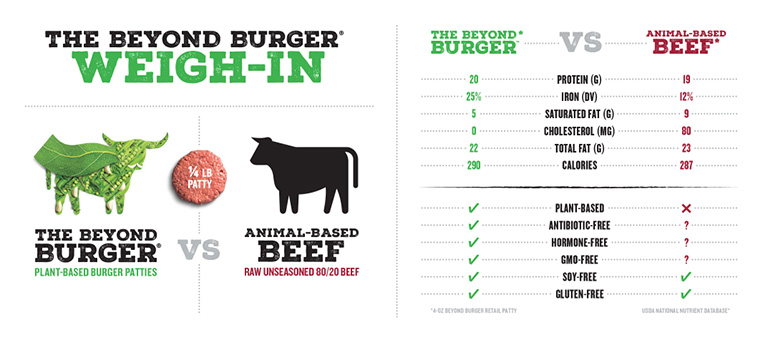
Comparing the nutritional profiles of lab-grown and traditionally farmed meat is complex, as the composition of cultivated meat can vary significantly depending on the cell lines used and the growth medium employed. However, we can draw some preliminary conclusions based on available data. Generally, both conventional and cultivated beef contain high levels of protein, around 25-30 grams per 100-gram serving. The real differences begin when we look at fat content and micronutrient profiles.
Traditional beef tends to have a higher overall fat content, including saturated fat, than preliminary analyses of lab-grown beef suggest. Companies working on cultivated beef are exploring ways to reduce saturated fat levels and even increase the proportion of healthy unsaturated fats, like omega-3 fatty acids. Chicken and pork present a similar picture. While cultivated chicken and pork aim for comparable protein levels, the fat profiles are being actively modified during development.
Micronutrient content is another area of interest. Both traditional and lab-grown meats are good sources of iron, particularly heme iron, which is highly bioavailable. Vitamin B12 is also present in both, though levels can vary depending on the animal’s diet in conventionally raised livestock. One potential advantage of cultivated meat is the ability to precisely control the nutritional composition, potentially boosting levels of specific vitamins or minerals.
We don't have long-term studies on how well the body absorbs nutrients from lab-grown meat. Bioavailability is a question mark. The final nutrition depends entirely on the specific production process a company uses.
For example, a 2023 report from Tufts University highlighted the potential to enhance omega-3 fatty acid content in cultivated beef by manipulating the growth medium. This could offer a significant health benefit, given the known role of omega-3s in heart health and brain function. But this isn’t a standard feature of all cultivated beef – it’s a deliberate design choice.
Finally, some analysts are concerned about the potential for differences in protein structure. The way proteins are arranged can affect digestibility and allergenicity. More research is needed to determine if cultivated meat proteins are identical in structure to those found in traditionally farmed meat.
How lab meat is made
The growth medium used to cultivate meat cells is a critical factor influencing its nutritional profile and potential health impacts. These media typically contain amino acids, vitamins, minerals, and growth factors – essentially, everything the cells need to proliferate. The source and composition of these components are key. Some companies are exploring plant-based growth media, which could further enhance the sustainability and appeal of cultivated meat.
The ability to engineer lab-grown meat with enhanced nutritional benefits is a major selling point. As noted in a narrative review published by the National Institutes of Health (PMC), cultured meat reformulation offers the potential to tailor the fat composition, increase vitamin content, and even reduce the presence of potential allergens. This level of control is simply not possible with traditional animal agriculture.
However, this also introduces potential risks. Novel proteins or growth factors used in the cultivation process could trigger allergic reactions in some individuals. Thorough allergenicity testing is therefore crucial before any cultivated meat product is approved for sale. The potential for unforeseen health consequences from consuming novel proteins also needs careful consideration.
A table summarizing potential formulation impacts is below:
- Fat composition: Companies are trying to swap saturated fats for omega-3s.
- Vitamin Content: Enhanced levels of B12, D, and other key nutrients
- Mineral Content: Optimization of iron bioavailability
- Allergenicity: Potential for both reduction and introduction of allergens
Health Comparison: Lab-Grown vs. Traditional Meat (Projected to 2026)
| Health Factor | Lab-Grown Beef | Traditional Beef | Lab-Grown Chicken | Traditional Chicken | Lab-Grown Pork | Traditional Pork |
|---|---|---|---|---|---|---|
| Saturated Fat | Similar | Higher | Lower | Similar | Similar | Higher |
| Cholesterol | Similar | Higher | Lower | Similar | Similar | Higher |
| Iron Bioavailability | Unknown | Higher | Unknown | Similar | Unknown | Similar |
| Vitamin B12 | Unknown | Similar | Unknown | Similar | Unknown | Similar |
| Potential Allergens | Unknown | Similar | Unknown | Similar | Unknown | Similar |
| Presence of Growth Factors | Lower | Present | Lower | Present | Lower | Present |
| Omega-3 Fatty Acid Content | Higher (Potential) | Lower | Higher (Potential) | Lower | Higher (Potential) | Lower |
Illustrative comparison based on the article research brief. Verify current pricing, limits, and product details in the official docs before relying on it.
Sustainability & Environmental Factors
While this article focuses on health, it’s impossible to ignore the environmental implications of our protein choices. Traditional animal agriculture has a significant environmental footprint, contributing to greenhouse gas emissions, deforestation, water pollution, and antibiotic resistance. Lab-grown meat promises to address many of these issues, but it’s not without its own environmental challenges.
Studies suggest that cultivated meat could reduce greenhouse gas emissions by 78-96% compared to conventional beef production. Land use could be reduced by up to 99%, and water usage by 82-96%. These figures are based on life cycle assessments conducted by organizations like CE Delft and the Good Food Institute, but they are subject to considerable uncertainty.
One major concern is the energy consumption of cultivated meat production. Maintaining sterile laboratory environments and providing the energy needed for cell growth requires substantial electricity. However, this energy demand could be mitigated by using renewable energy sources, such as solar or wind power. The environmental benefits of cultivated meat are heavily dependent on the energy mix used in its production.
Furthermore, the production of growth media can also have environmental impacts. Sourcing sustainable and ethically produced growth factors is crucial to minimizing the overall footprint of cultivated meat. It’s a complex equation, and a truly sustainable cultivated meat industry will require careful attention to every stage of the production process.
Safety & Regulation: What's Changing?
The safety of lab-grown meat is paramount, and regulatory agencies are taking a cautious approach. In the US, both the Food and Drug Administration (FDA) and the United States Department of Agriculture (USDA) have a role in overseeing the production and sale of cultivated meat. The FDA is responsible for ensuring the safety of the cell lines used, while the USDA regulates the production and labeling of the final product.
Before any cultivated meat product can be sold to the public, it must undergo rigorous safety testing to assess potential hazards, such as microbial contamination or the presence of harmful toxins. These tests are designed to ensure that the product is safe for human consumption and meets the same safety standards as traditionally farmed meat.
The REAL Meat Act of 2025, if passed, would introduce new labeling requirements for cultivated meat, potentially requiring it to be labeled as 'cultivated' or 'lab-grown' to avoid consumer confusion. This legislation aims to protect the integrity of the traditional meat industry and ensure that consumers are fully informed about the origins of their food.
I'm not sure about the long-term regulatory path. The technology is evolving rapidly, and regulators will need to adapt to new developments. There are ongoing debates about whether cultivated meat should be subject to the same regulations as traditional meat or whether a separate regulatory framework is needed. The next few years will be crucial in shaping the future of cultivated meat regulation.
Cost & Accessibility: 2026 Projections
Currently, lab-grown meat is significantly more expensive to produce than traditional meat. The high cost is due to several factors, including the cost of growth media, the energy requirements of production, and the relatively small scale of current production facilities. In 2024, a single cultivated chicken breast could cost upwards of $50.
However, experts predict that costs will fall dramatically as production scales up and technology improves. By 2026, some analysts estimate that the cost of cultivated beef could fall to around $10-20 per pound, making it competitive with premium cuts of traditionally farmed beef. Optimizing growth media formulations and reducing energy consumption are key to achieving these cost reductions.
Accessibility will also depend on regulatory approval and consumer acceptance. If cultivated meat is widely approved and consumers embrace it, we could see it appearing on menus at select restaurants and in specialty grocery stores by 2026. However, widespread availability in mainstream supermarkets is likely to take longer.
The timeline for widespread adoption is uncertain. Factors such as investment in production capacity, regulatory hurdles, and consumer demand will all play a role. But as the technology matures and costs come down, lab-grown meat has the potential to become a viable and accessible protein source for a growing number of consumers.
- 2024: Cultivated chicken breast - $50+
- 2026 (Projected): Cultivated beef - $10-20/lb
- 2030 (Projected): Cost parity with premium traditional beef
Future Outlook & Consumer Choices
The comparison between lab-grown and traditional protein reveals a complex and evolving landscape. Lab-grown meat holds immense potential to address the environmental and ethical concerns associated with conventional agriculture, and it offers the possibility of enhanced nutritional profiles. However, significant challenges remain in terms of cost, scalability, and consumer acceptance.
Ultimately, the future of protein will likely involve a combination of different sources – traditional animal agriculture, plant-based alternatives, and cultivated meat – each playing a role in meeting the growing global demand for protein. Consumers will have more choices than ever before, and it’s crucial to make informed decisions based on your individual needs and values.
I encourage you to stay informed about the latest developments in the field of cultivated meat and to consider the environmental and health implications of your protein choices. By supporting sustainable and ethical food production practices, we can all contribute to a healthier and more sustainable future.
Essential Products for Your Lab-Grown vs. Traditional Protein Journey

100% grass-fed beef · Gluten-free · High protein, keto-friendly
This product offers a high-quality, traditional protein source for those exploring different dietary options.

Organic chicken breast · Boneless, skinless · Air-chilled for quality
A staple of traditional protein diets, this organic chicken breast provides a lean and versatile option for healthy meals.

21g plant-based protein per serving · 6g prebiotic fiber · USDA Organic, non-GMO, no added sugar
This vegan protein powder is an excellent plant-based alternative for those seeking protein supplementation without animal products.

700 vegetarian recipes · Foolproof cooking instructions · Comprehensive guide to vegetarian eating
This cookbook provides a wealth of vegetarian recipes, supporting a diverse range of dietary preferences and culinary exploration.

4-quart capacity air fryer · 4-in-1 functionality (crisp, roast, reheat, dehydrate) · Dishwasher-safe parts for easy cleaning
An innovative kitchen tool that allows for healthier cooking methods, such as air frying, which can be applied to both traditional and potentially lab-grown proteins.
As an Amazon Associate I earn from qualifying purchases. Prices may vary.

No comments yet. Be the first to share your thoughts!