
Why gut health matters in 2026
Your gut microbiome is the central hub of your overall wellness. In 2026, the focus has shifted from treating symptoms to supporting the diverse ecosystem of bacteria that lives within your digestive tract. This microbial community influences everything from your immune response to your mental clarity. When these beneficial bacteria thrive, your body functions more efficiently, reducing inflammation and improving nutrient absorption.
The modern diet often disrupts this delicate balance. Processed foods and artificial additives can deplete the good bacteria that keep your system running smoothly. Restoring balance requires a return to natural, nutrient-dense foods that feed your microbiome directly. This approach is far more effective than relying solely on isolated supplements.
At Extreme Health USA, we believe that the best path to health starts with what you put on your plate. Our guides focus on practical, natural dietary solutions that help you build a resilient gut ecosystem from the ground up.
Think of your gut as a garden. You wouldn't just water the plants; you would enrich the soil with compost and remove the weeds. Superfoods act as that compost, providing the fiber and prebiotics necessary for beneficial bacteria to flourish. By prioritizing these whole foods, you create an environment where your body can heal and thrive naturally.
5 Superfoods for Gut Health in 2026: An Extreme Health USA Guide
Optimizing your microbiome requires more than just probiotics; it demands a strategic integration of nutrient-dense superfoods. This guide from Extreme Health USA breaks down the five essential dietary additions for 2026 to support natural gut health and overall wellness.
-
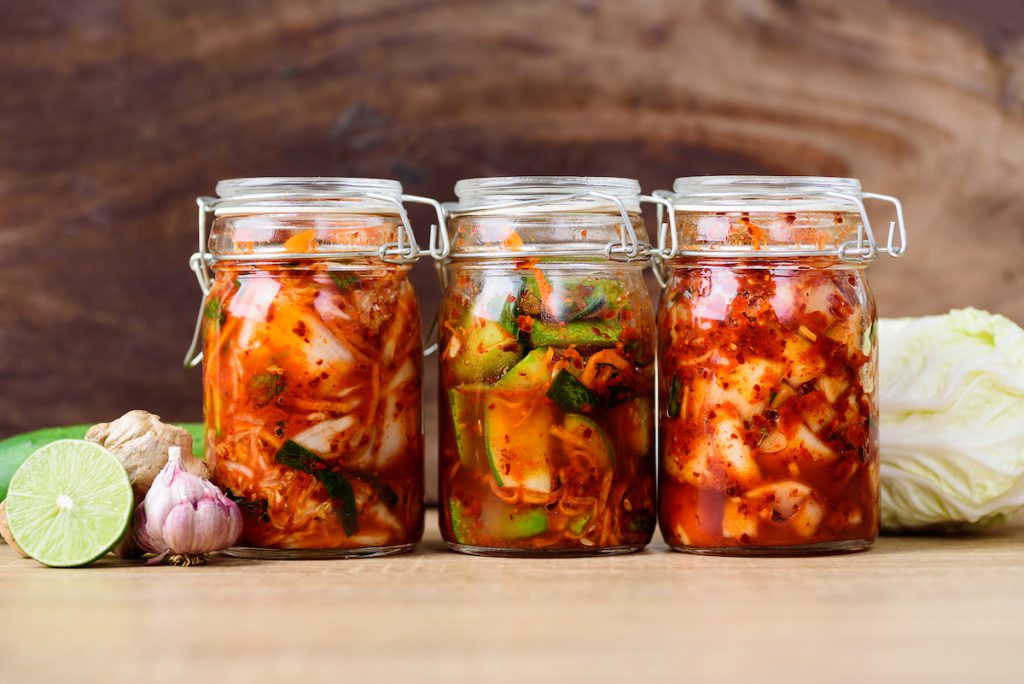
fermented kimchi for probiotic diversity
Kimchi delivers a robust colony of Lactobacillus bacteria, essential for maintaining a diverse gut microbiome. Unlike plain yogurt, this fermented cabbage offers complex strains that survive stomach acid better. Incorporating a small side dish daily introduces live cultures that compete with harmful pathogens. The spicy fermentation process also enhances nutrient bioavailability, making it a potent, flavorful tool for digestive resilience and immune support in your daily diet. -
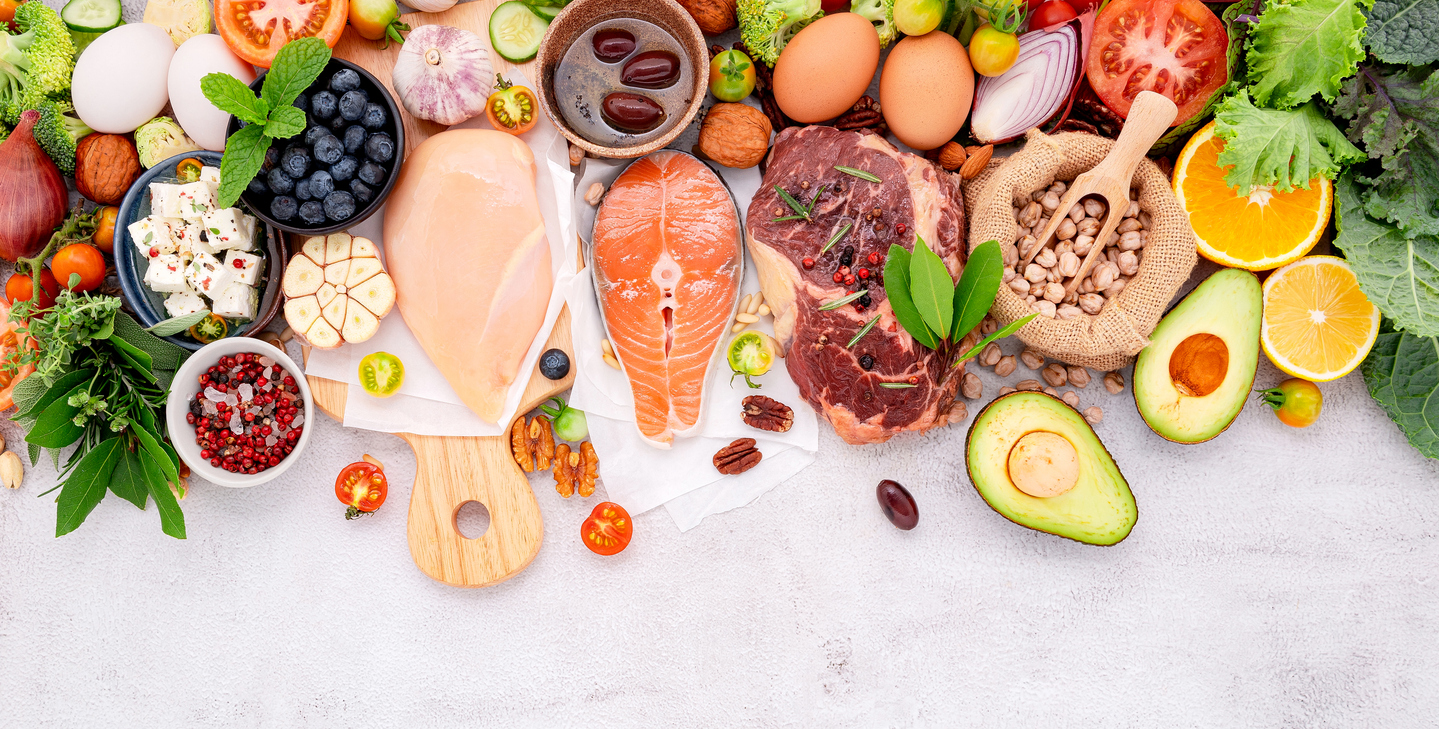
prebiotic garlic for microbiome fuel
Raw or lightly cooked garlic acts as a prebiotic powerhouse, feeding beneficial bacteria with inulin and fructooligosaccharides. These fibers resist digestion, reaching the colon intact to stimulate the growth of healthy microbial populations. This fuel source helps produce short-chain fatty acids that reduce inflammation. Adding minced garlic to salads or stir-fries provides a subtle flavor boost while systematically nourishing the ecosystem within your digestive tract for long-term balance. -
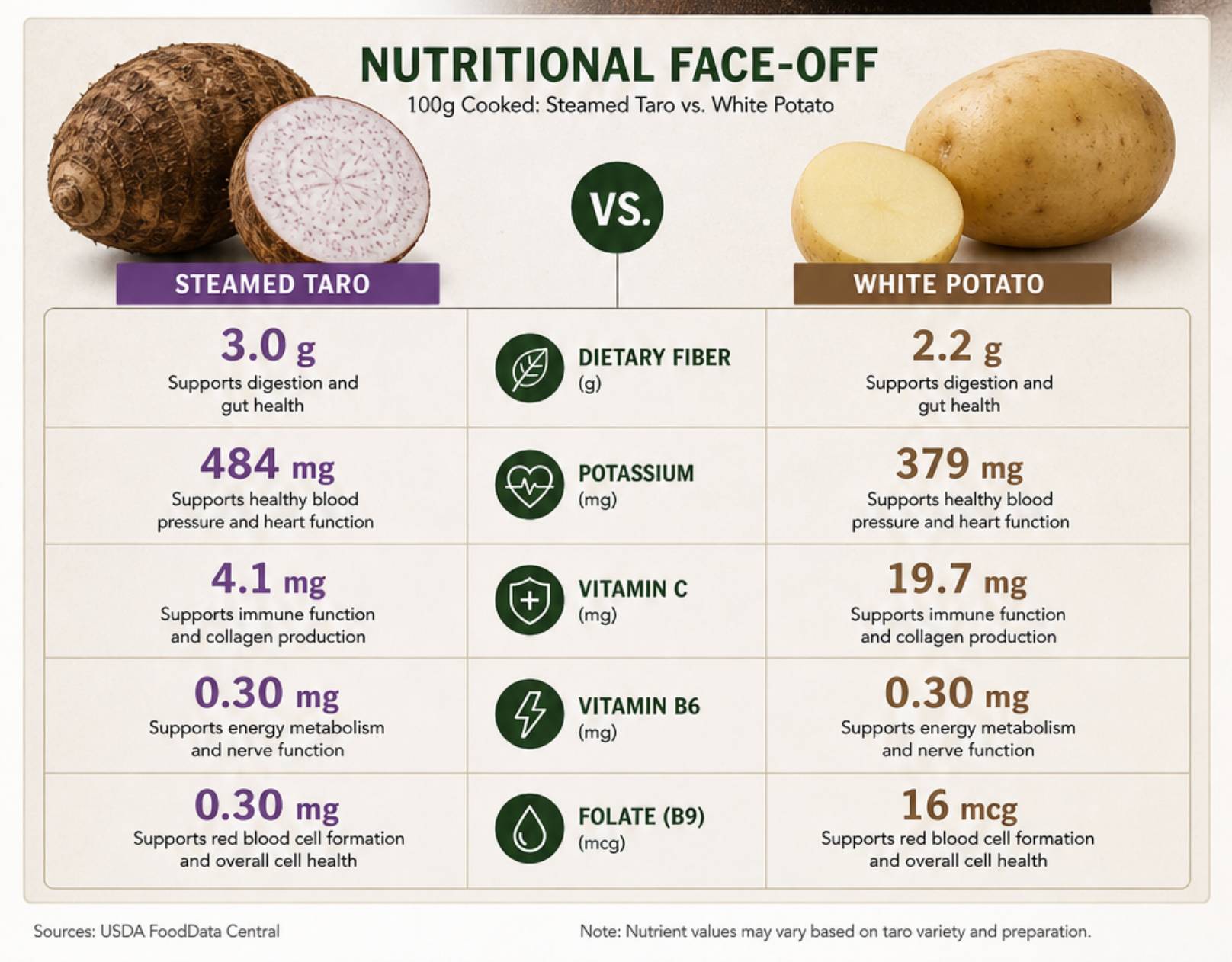
resistant potato starch for digestion
Resistant potato starch functions like dietary fiber, escaping small intestine digestion to ferment in the colon. This process generates butyrate, a critical energy source for colon cells that strengthens the gut barrier. Unlike regular starch, the resistant variety supports regularity without causing bloating when introduced gradually. Mixing a teaspoon into cold smoothies or oatmeal provides a neutral-tasting supplement that promotes a healthy microbial environment and improves overall digestive efficiency. -

bone broth for gut lining repair
Simmered bones release collagen, gelatin, and amino acids like glutamine, which are vital for repairing the intestinal lining. These nutrients help seal tight junctions in the gut wall, potentially reducing leaky gut syndrome. The gelatinous texture soothes irritated tissues, offering comfort during digestive distress. Drinking a warm cup provides hydration and electrolytes alongside building blocks for tissue repair, making it a restorative staple for anyone seeking to strengthen their internal digestive defenses naturally. -
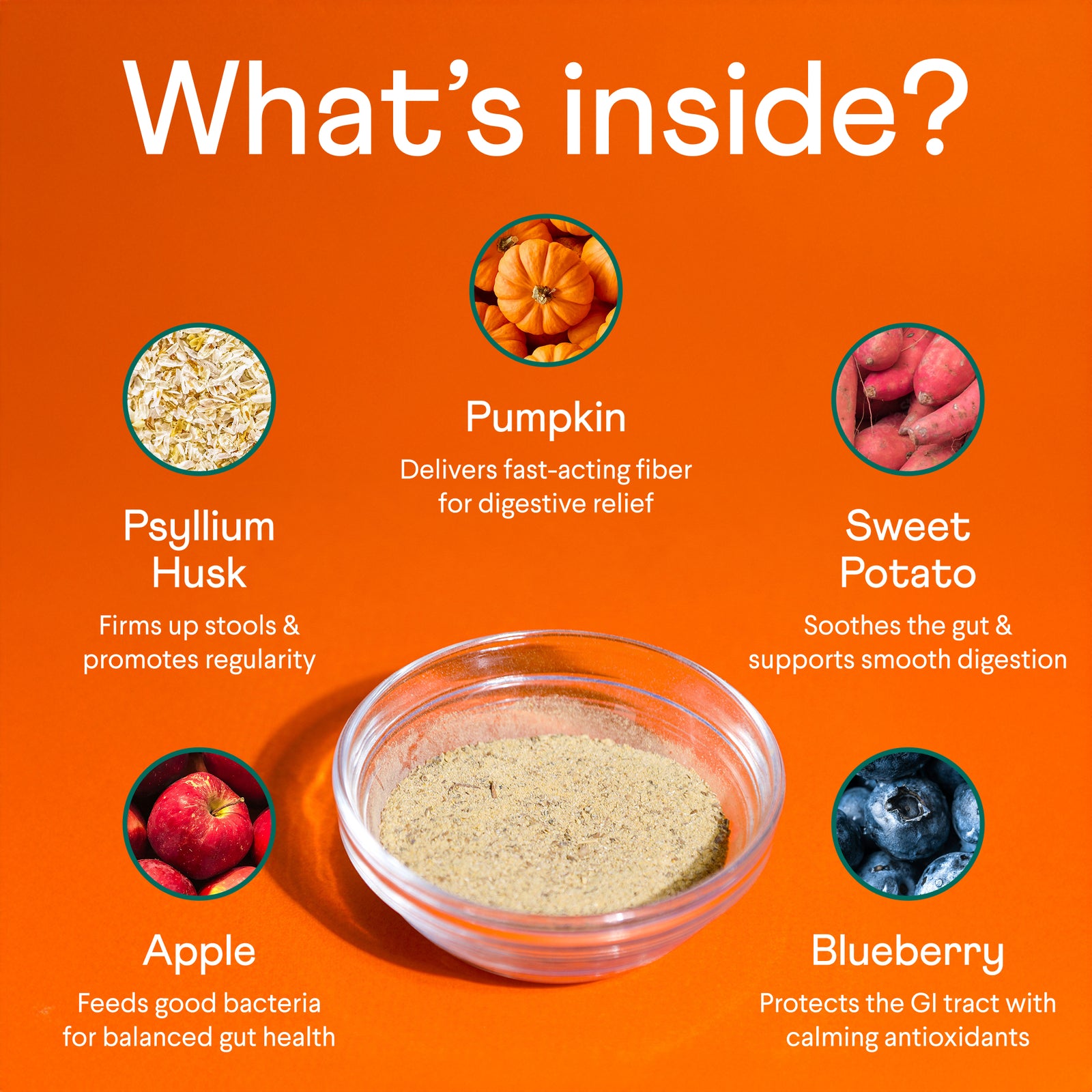
psyllium husk for regularity support
Psyllium husk is a soluble fiber that absorbs water to form a gel, softening stool and promoting regular bowel movements. This gentle bulk-forming action helps regulate both constipation and diarrhea by normalizing transit time. It also serves as a prebiotic, feeding beneficial gut bacteria. Taking it with ample water ensures effectiveness, making it a reliable, non-habit-forming solution for maintaining consistent digestive rhythm and supporting overall gut motility without harsh laxative effects.
The 5 superfoods for your gut
Extreme Health USA curates a specific list of superfoods designed to support digestive health and microbiome balance. These five ingredients are selected for their high nutrient density and proven ability to foster a thriving gut environment. Incorporating these foods into your daily diet provides the foundational support your digestive system needs.
Fermented Foods
Fermented foods like yogurt, kefir, sauerkraut, and kimchi are rich in live probiotics. These beneficial bacteria help replenish the gut microbiome, improving digestion and boosting immune function. Regular consumption can reduce inflammation and enhance nutrient absorption.
Leafy Greens
Spinach, kale, and Swiss chard are packed with fiber and essential vitamins. Fiber acts as a prebiotic, feeding the good bacteria in your gut. This symbiotic relationship promotes a healthy gut lining and supports regular bowel movements.
Berries
Blueberries, raspberries, and strawberries contain high levels of antioxidants and polyphenols. These compounds protect the gut lining from oxidative stress and encourage the growth of beneficial bacteria. Their natural sweetness makes them an easy and nutritious addition to meals.
Ginger
Ginger has long been used to soothe digestive discomfort. It helps stimulate digestion, reduce nausea, and ease bloating. Adding fresh ginger to teas, smoothies, or meals can provide immediate relief and long-term gut health benefits.
Garlic
Garlic contains allicin, a compound with potent antimicrobial and prebiotic properties. It helps balance gut bacteria by supporting the growth of beneficial strains while inhibiting harmful ones. Incorporating garlic into your cooking is a simple way to boost gut health.

How to add these foods to your diet
Integrating gut-friendly superfoods into your daily routine doesn’t require a complete overhaul of your eating habits. The goal is consistency, not perfection. By introducing these foods gradually and pairing them with your existing meals, you allow your microbiome to adapt without causing digestive distress. This approach ensures that the benefits of fiber, probiotics, and polyphenols are sustained over time.
Start by selecting just one of the five superfoods to focus on for the first week. Trying to change everything at once often leads to burnout or gastrointestinal discomfort. Pick the food that feels most natural to your current preferences—whether that is adding yogurt to breakfast or tossing fermented vegetables into lunch. Once this single addition feels routine, you can slowly introduce a second option. This step-by-step method builds a sustainable habit rather than a temporary diet.
Preparation matters as much as selection. For fermented foods like kimchi or kefir, choose plain, unsweetened varieties to avoid added sugars that can feed harmful bacteria. For high-fiber options like chia seeds or oats, soak them in liquid before eating to improve digestibility and nutrient absorption. Cooking methods also play a role; steaming vegetables preserves more gut-friendly nutrients than boiling, which can leach beneficial compounds into the water.
Track how your body responds to these changes. Note any shifts in digestion, energy levels, or bloating over a two-week period. This self-observation helps you identify which foods work best for your unique biology. Once you have established a comfortable baseline with one or two foods, expand your variety to include the remaining superfoods. Diversity in your diet supports a diverse microbiome, which is essential for long-term gut health.
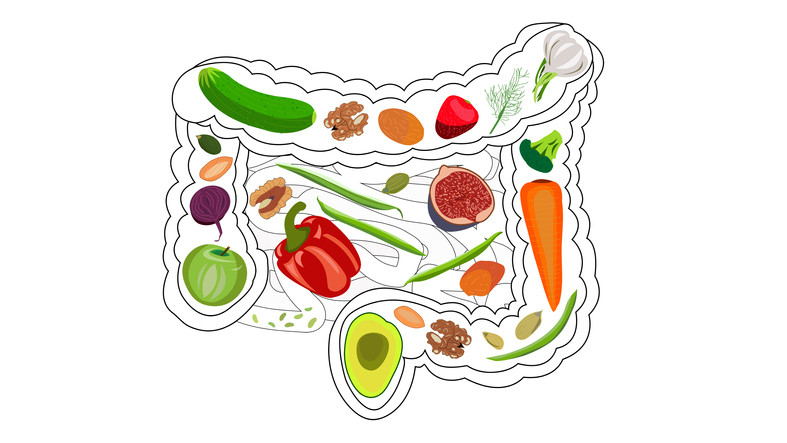
Choose a single superfood that fits your current meal pattern. Add it to one meal per day for a week to establish a baseline without overwhelming your system.
Prioritize raw or lightly processed versions of fermented foods. For high-fiber items, soak or cook them gently to enhance digestibility and nutrient uptake.
Keep a simple log of how you feel after eating. Note any improvements in digestion or energy, as well as any negative reactions, to guide your next steps.
After two weeks, introduce a second superfood. Aim for a rotating variety of gut-friendly foods to support a diverse and resilient microbiome.
Common Mistakes to Avoid
Even the best superfoods can backfire if you don’t use them correctly. Overconsumption is the most frequent error. More fiber does not always mean better digestion. Introducing large amounts of chia seeds or flaxseeds too quickly can cause bloating, gas, and discomfort. Start with small portions, such as one tablespoon, and gradually increase your intake over several weeks. This allows your gut microbiome to adjust without triggering distress.
Quality matters just as much as quantity. Many commercial probiotic supplements lack sufficient strains or viable bacteria by the time they reach your shelf. Look for products with third-party testing and clear colony-forming unit (CFU) counts on the label. For prebiotic foods like garlic and onions, choose fresh, organic options when possible to avoid pesticide residues that may irritate sensitive digestive systems.
Ignoring individual dietary restrictions is another pitfall. Fermented foods like kimchi or sauerkraut are high in histamines, which can trigger reactions in people with histamine intolerance. Similarly, high-FODMAP foods like garlic and wheat can worsen symptoms for those with IBS. Listen to your body and keep a food diary to identify triggers. Extreme Health USA recommends consulting a healthcare provider before making significant dietary changes, especially if you have existing health conditions.
Your gut health checklist
Before finalizing your 2026 superfood strategy, ensure your daily habits align with the Extreme Health USA approach. Building a resilient microbiome requires consistency, not just occasional indulgence in healthy foods. Use this concise list to verify you are on the right track.
-
Buy organic when possible
-
Start small
-
Stay hydrated
-
Consult a doctor if needed
Small, consistent changes yield better long-term results than drastic overhauls. Introduce one new superfood at a time to monitor how your body reacts. If you have existing digestive conditions, always consult a healthcare provider before making significant dietary shifts.
Frequently Asked Questions About Gut Health Superfoods
Integrating superfoods into your daily routine can feel overwhelming, but consistency is more important than perfection. Here are the most common questions we receive from readers looking to improve their digestive wellness.

No comments yet. Be the first to share your thoughts!