
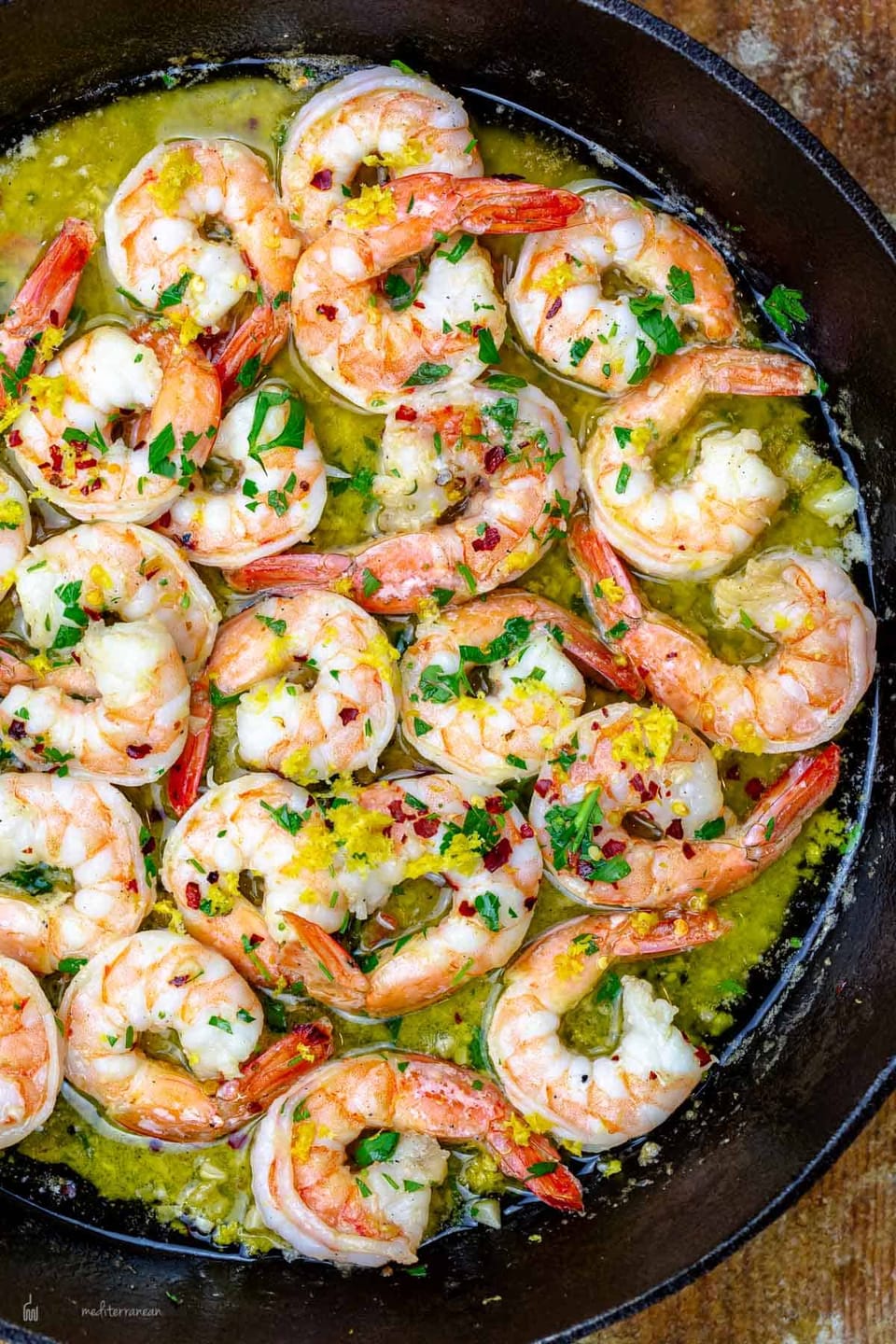
Cracking the Shell: The Shrimp Shell Debate Unveiled 🦐
Ever wondered about the crunch factor in your shrimp cocktail? Yes, we're peeling back the layers on a topic that's been simmering in the seafood health guide: eating shrimp shells. Unusual healthy foods have been making waves lately, but are shrimp shells safe to join the tide?
As your ultimate guide to healthy eating, we're diving deep to uncover the truth about shrimp shell consumption. Are they just crunchy casings to be discarded, or are they a hidden treasure trove of nutrition?
With arguments for and against as varied as the ocean's depths, we're here to help you navigate these waters. After all, your health is our priority. So, is it safe to eat shrimp shells? Let's set sail on this culinary adventure and find out together!
What's in a Shell? Unpacking Shrimp Shell Nutrition Facts 🔬
Ever wondered what shrimp shells are made of? They're largely composed of a biopolymer called chitin, similar to what's found in fungi and the exoskeletons of insects. This unusual healthy food is a powerhouse of nutrition, boasting a rich array of minerals such as calcium, selenium, and astaxanthin, a potent antioxidant.
But, is it safe to eat shrimp shells? While they're not typically part of a Western diet, many Asian cuisines have long embraced shrimp shell consumption. The key, as with most things, is moderation and proper preparation. So, let's dive deeper into this seafood health guide and explore the pros and cons of including shrimp shells in your healthy seafood diets.
By understanding the nutritional value and potential risks, you can make an informed decision about whether or not to include these crunchy casings in your meals. Ready to explore this offbeat addition to your plate?
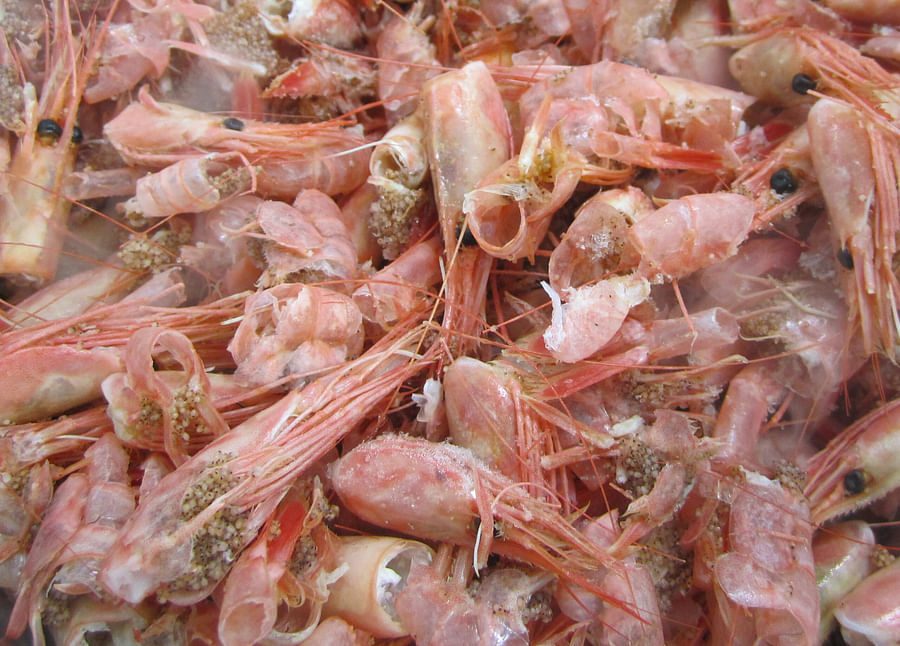
Shell Yeah! The Unexpected Health Benefits of Shrimp Shells 🥗
When we think of unusual healthy foods, eating shrimp shells may not be the first thing that comes to mind. Yet, it's a seafood health guide secret that's been hiding in plain sight. The question is, is it safe to eat shrimp shells and if so, what are the potential health benefits?
Shrimp shells are a treasure trove of nutrition. They are packed with chitin - a dietary fiber that aids digestion and boosts immunity. Antioxidants are also abundant in shrimp shells, helping to combat harmful free radicals in the body.
So, if you've been peeling your shrimp and discarding the shells, you might want to reconsider. Shrimp shell consumption could be a game-changer for your healthy seafood diet, offering a unique twist on your culinary adventures while packing a nutritional punch. Who knew that these tiny, often discarded shells could hold such a healthful secret?
Now that we've discussed the possible health benefits of shrimp shells, let's break them down into a handy checklist. This will help you remember why you might want to give shrimp shells a try:
While these benefits sound promising, it's also important to consider potential risks and concerns associated with consuming shrimp shells. Let's explore that next.
Playing it Safe: Are There Risks in Eating Shrimp Shells? ⚠️
Within the realm of unusual healthy foods, the question of eating shrimp shells has become a hot topic. But as with any daring dietary choice, there are potential pitfalls to consider. Is it safe to eat shrimp shells? Let's delve into the murky waters of this seafood health guide.
Firstly, it's important to understand that shrimp shell consumption is not for everyone. Those with shellfish allergies should steer clear, as consuming the shells can trigger severe allergic reactions. Even if you're not allergic, eating shrimp shells may lead to digestive discomfort for some, making it a less than ideal health food for everyone.
Furthermore, while shrimp shell nutrition facts tout high levels of antioxidants and chitin, the shells can sometimes harbor pollutants and heavy metals from the water they inhabit. So, as with all things, moderation and careful sourcing are key in a healthy seafood diet.
Before we dive into how to safely consume shrimp shells, let's take a moment to address some of the frequently asked questions about the potential risks involved.
Now that we've addressed some common concerns, let's move on to discuss how you can safely prepare and consume shrimp shells for maximum health benefits.
From Sea to Plate: How to Safely Savor Shrimp Shells 🍽️
Now that we've navigated the sea of scientific facts and potential health benefits, let's dive into the practical side of shrimp shell consumption. You may be wondering, "How on earth do I go about eating shrimp shells?" Well, fear not, fellow seafood enthusiasts! We're about to embark on a culinary adventure that's as unusual as it is healthy.
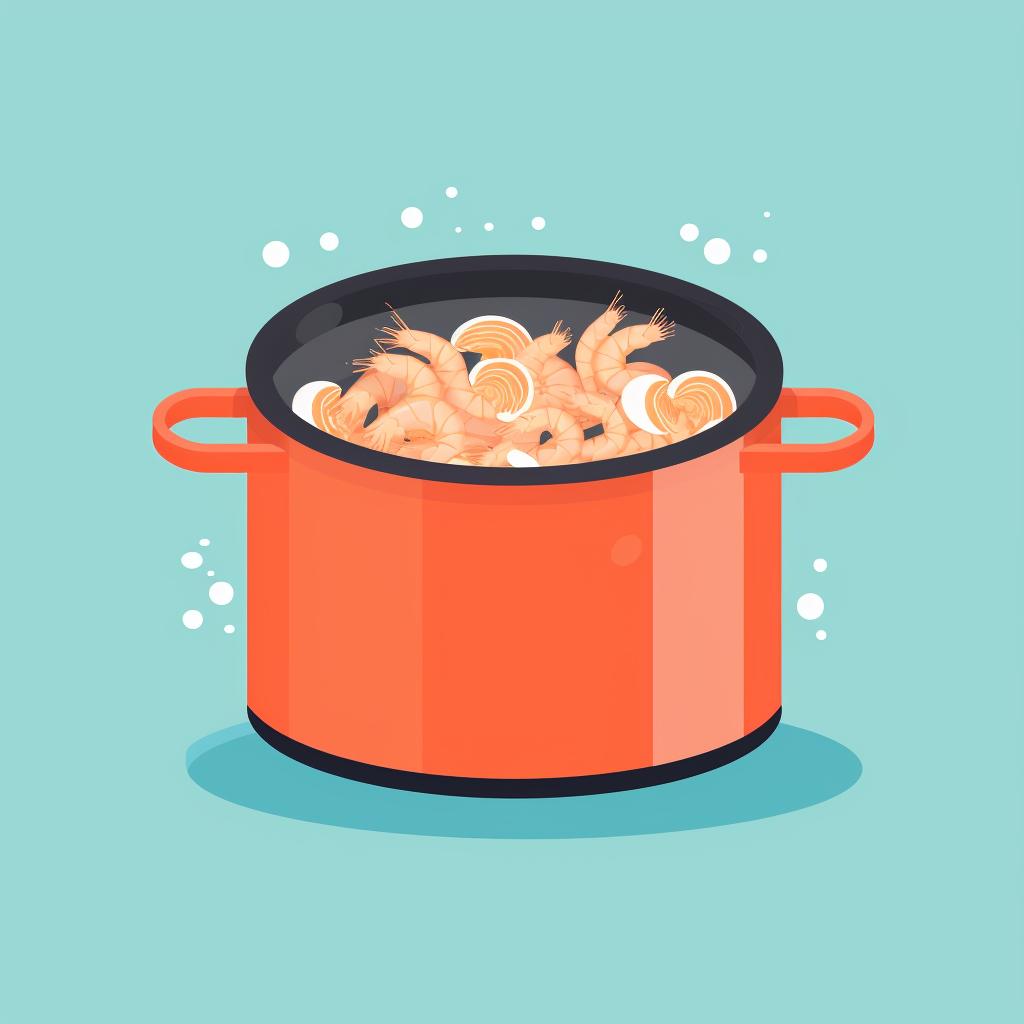
Firstly, it's crucial to source your shrimp from reliable, sustainable sources to ensure they're free from harmful substances. Once you've got your hands on some high-quality shrimp, give the shells a good rinse under cold water. This step is non-negotiable in our seafood health guide, as it helps remove any residual grit.
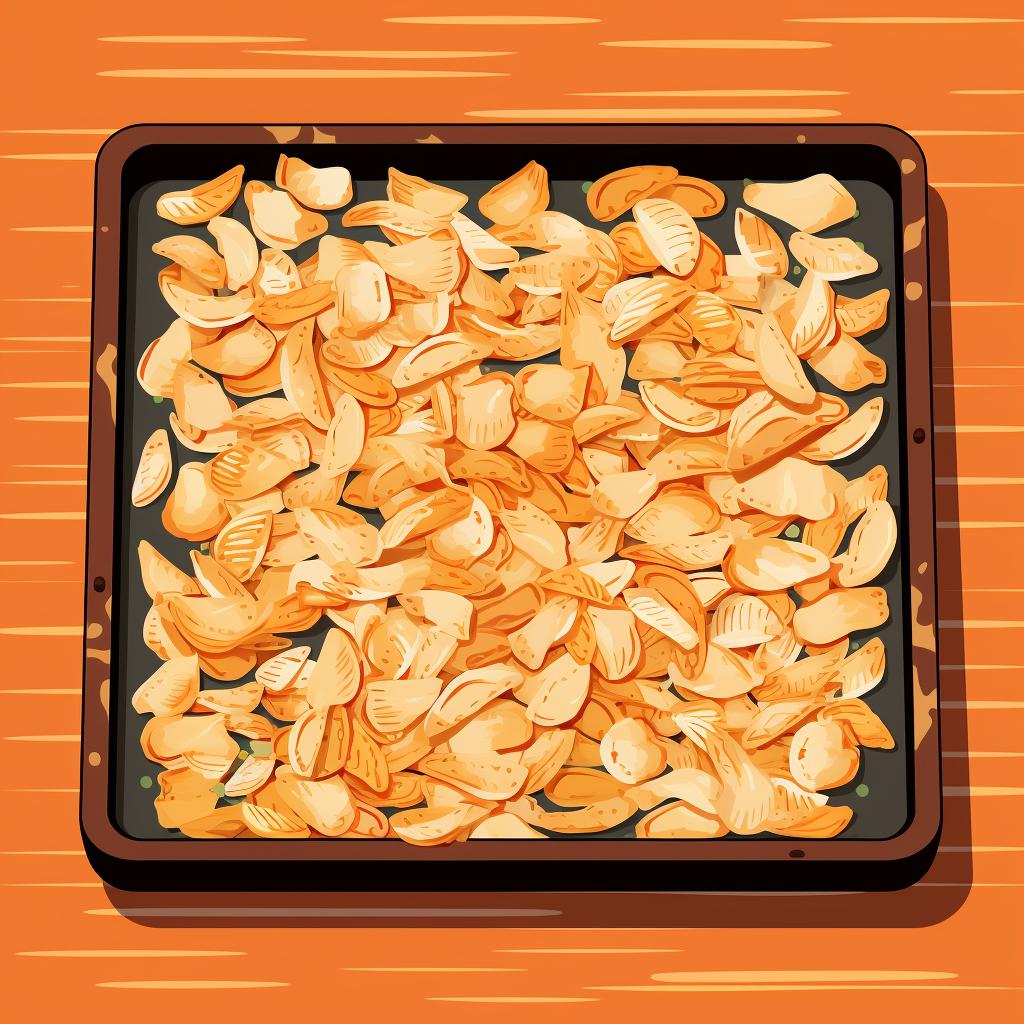
Next, toss the shells into a hot pan with a drizzle of olive oil. Sauté them until they turn a vibrant pink, releasing their unique aroma. This process not only makes the shells crispy and more palatable but also amplifies their nutritional value.
Finally, it's time to enjoy your unusual healthy food! You can sprinkle these crispy shells over salads, blend them into soups, or even munch on them as a snack. Remember, shrimp shell nutrition facts don't lie - you're in for a treat that's as nutritious as it is delicious!
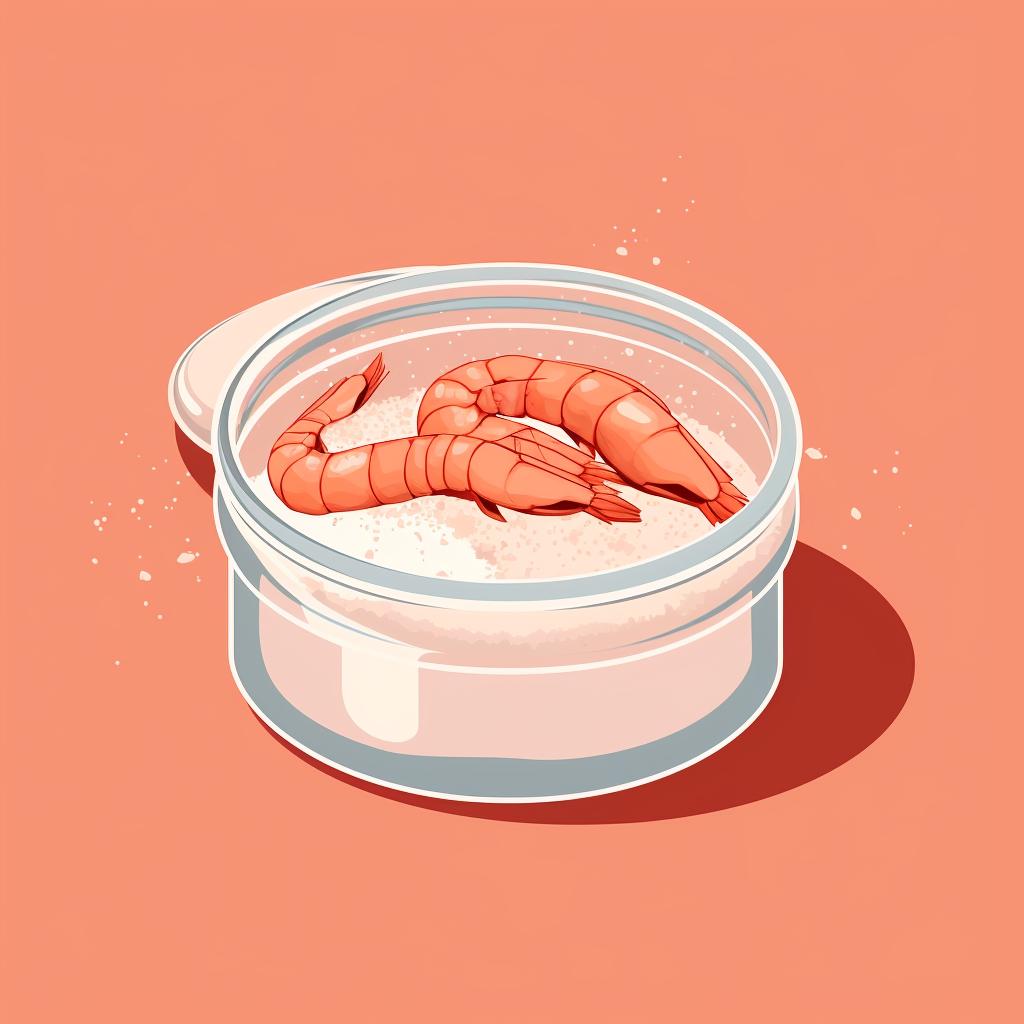
Now that we've discussed the potential benefits and risks, let's dive into the practical aspect. Here's a step-by-step guide on how to prepare shrimp shells for consumption:
Preparing Shrimp Shells for Consumption: A Step-by-Step Guide

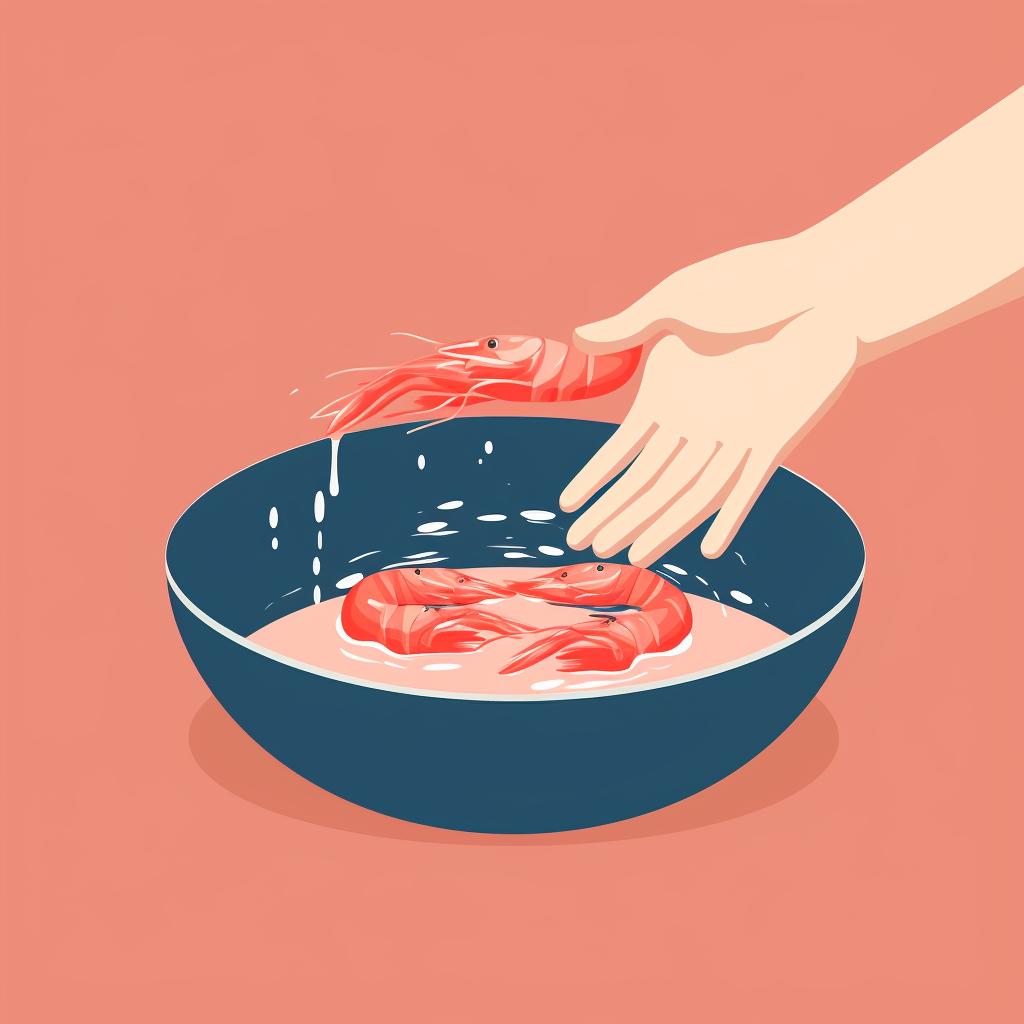
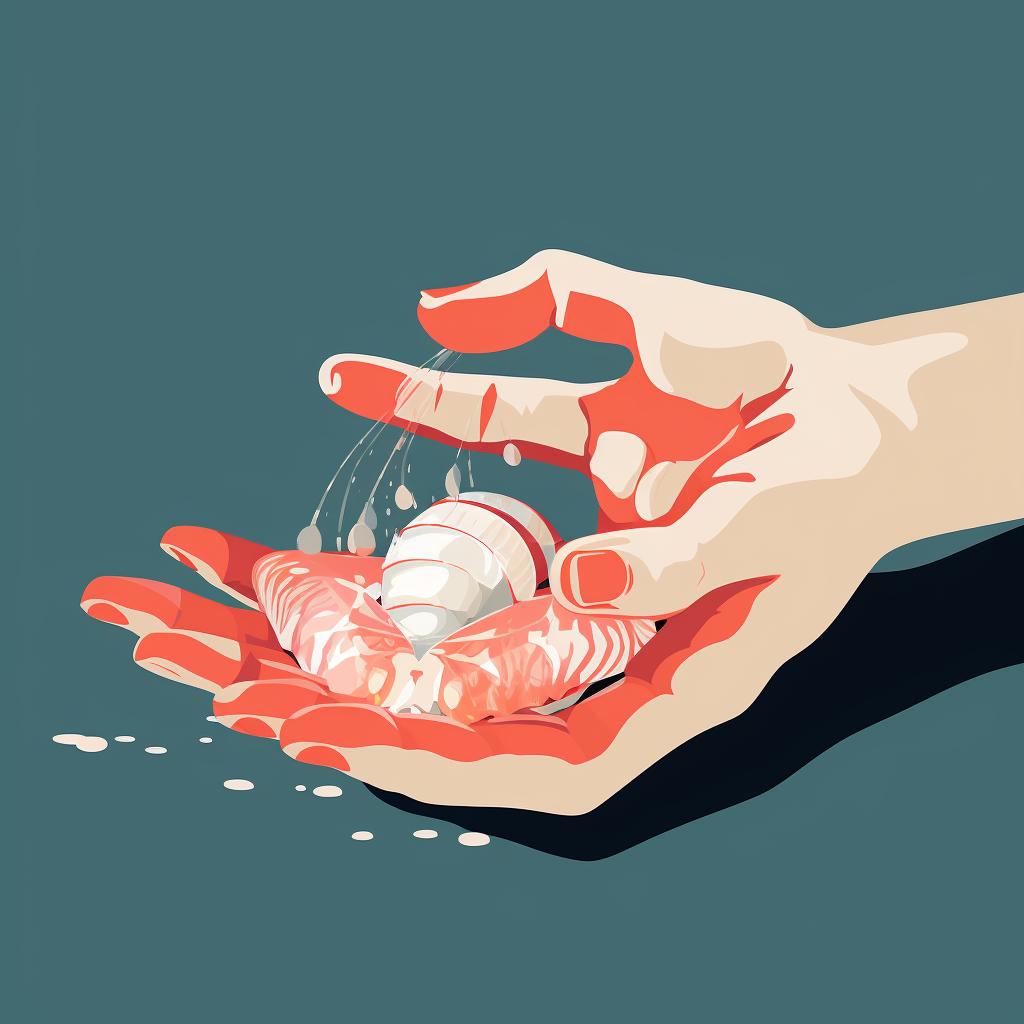

Learn more about Preparing Shrimp Shells for Consumption: A Step-by-Step Guide 🍤 or discover other Extreme Health USA guides.
And there you have it! You've successfully prepared shrimp shells for consumption. Remember, moderation is key. Now, let's test your understanding with a quick quiz.
Shrimp Shell Consumption: Truth or Myth
Test your knowledge about the consumption of shrimp shells, their benefits, risks, and preparation methods.
Learn more about 🍤 Shrimp Shell Consumption: Truth or Myth? Take the Quiz! 🧐 or discover other Extreme Health USA quizzes.
The Last Bite: Making Sense of Shrimp Shell Consumption 🍤
And there we stand, on the brink of the shrimp shell conundrum, a little wiser, a tad more curious. Has the idea of eating shrimp shells swam against the current of your usual diet choices, or has it found a safe harbor in your ocean of unusual healthy foods?
Remember, each wave of knowledge we ride shapes the shorelines of our understanding. What we've explored today are not just shrimp shell nutrition facts, but also the potential health benefits of shrimp shells and the cautionary lighthouse beaming 'is it safe to eat shrimp shells?' into our culinary seascape.
As the tides of your personal health journey ebb and flow, navigate them with the compass of informed choice. Let this seafood health guide be your star chart as you voyage further into the depths of a healthy seafood diet. Bon voyage, culinary explorers!




No comments yet. Be the first to share your thoughts!