
Welcome to the World of Healthy Canned Foods 🥫
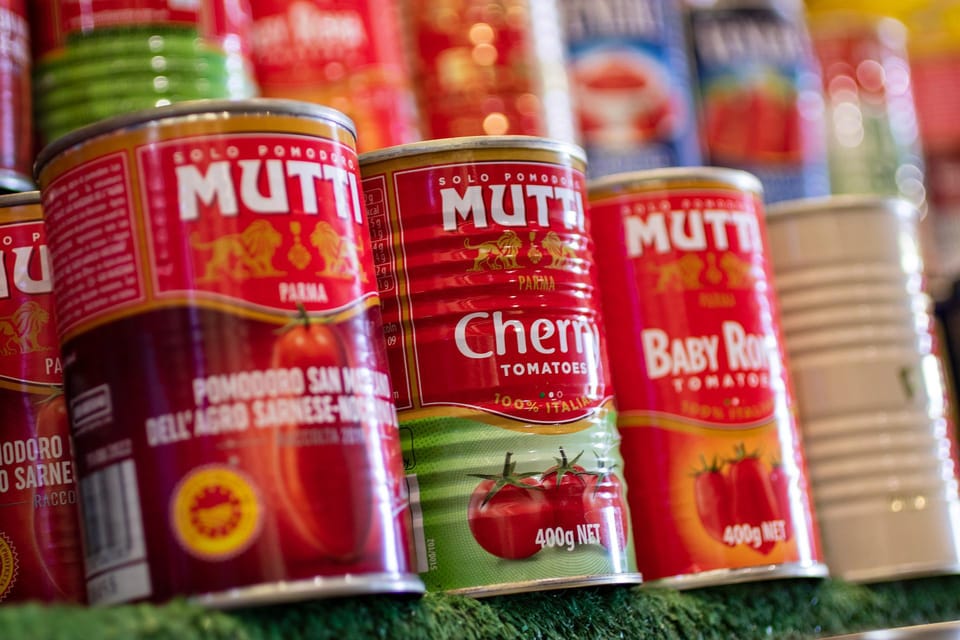
Welcome to the world of healthy canned foods! Who said that a can can't pack a punch of nutrition? It's time to debunk some myths and embrace the convenience of canned foods. Canned foods are often perceived as less healthy than their fresh counterparts, but did you know that they can be just as nutritious, if not more so, due to the preservation process? In our ultimate guide to healthy canned foods, we're going to guide you through the aisles of your local supermarket, help you decode food labels, and introduce you to the top 10 healthiest canned foods. So, ready to take a deep dive into the unexplored depths of canned foods? Let's pop the lid and discover the wholesome goodness waiting inside!

Decoding the Secrets of Canned Food Labels 🏷️
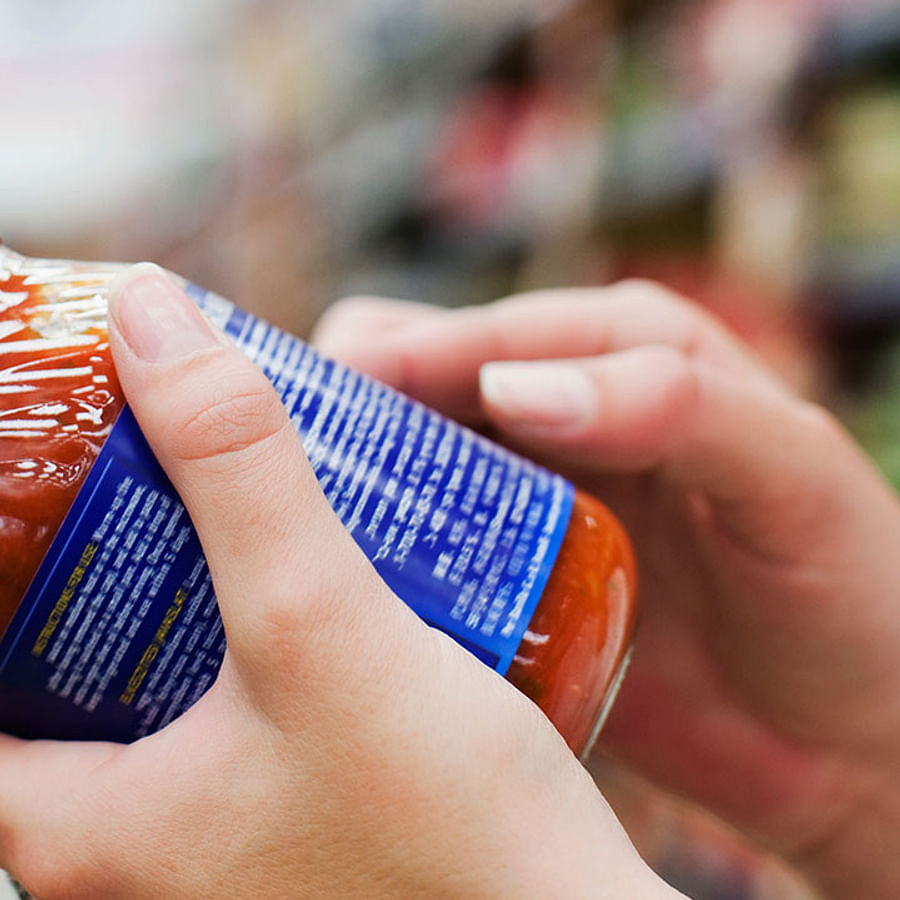
When it comes to canned foods, not all cans are created equal. It's crucial to understand what you're actually getting in that convenient little package. Sodium content, for instance, can be a silent saboteur in your quest for healthy eating. Opt for low sodium canned foods to keep your heart smiling. Sugar content is another sneaky culprit, often hiding in seemingly healthy options like fruit cans. Choosing options with no added sugars can be a game-changer in your diet. Lastly, look for BPA-free labeling. BPA is a chemical often used in food packaging, which can seep into the food and potentially affect your health. So, the next time you're shopping, remember, it's not just about what's in the can, it's also about what's on the can!
The Superstars: Top 10 Nutritious Canned Foods 🌟
Top 10 Healthiest Canned Foods
- Canned Salmon: Packed with omega-3 fatty acids, protein, and essential vitamins, canned salmon is a heart-healthy choice. It's also a great source of Vitamin D, which is crucial for bone health.
- Canned Beans: Beans are rich in fiber and protein, making them a filling and nutritious option. They're also a great source of iron and can help maintain healthy blood sugar levels.
- Canned Tomatoes: Lycopene, a powerful antioxidant found in tomatoes, is better absorbed by the body when the tomatoes are cooked, as in canned products. They're also a great source of vitamins A and C.
- Canned Pumpkin: This versatile ingredient is packed with fiber, vitamin A, and antioxidants. It's a low-calorie option that can be used in both sweet and savory dishes.
- Canned Tuna: Tuna is another excellent source of omega-3 fatty acids and protein. It's also low in fat and calories, making it a great choice for weight management.
- Canned Green Beans: Green beans are full of fiber, vitamin C, and folate. They're a low-calorie option that can be a great addition to any meal.
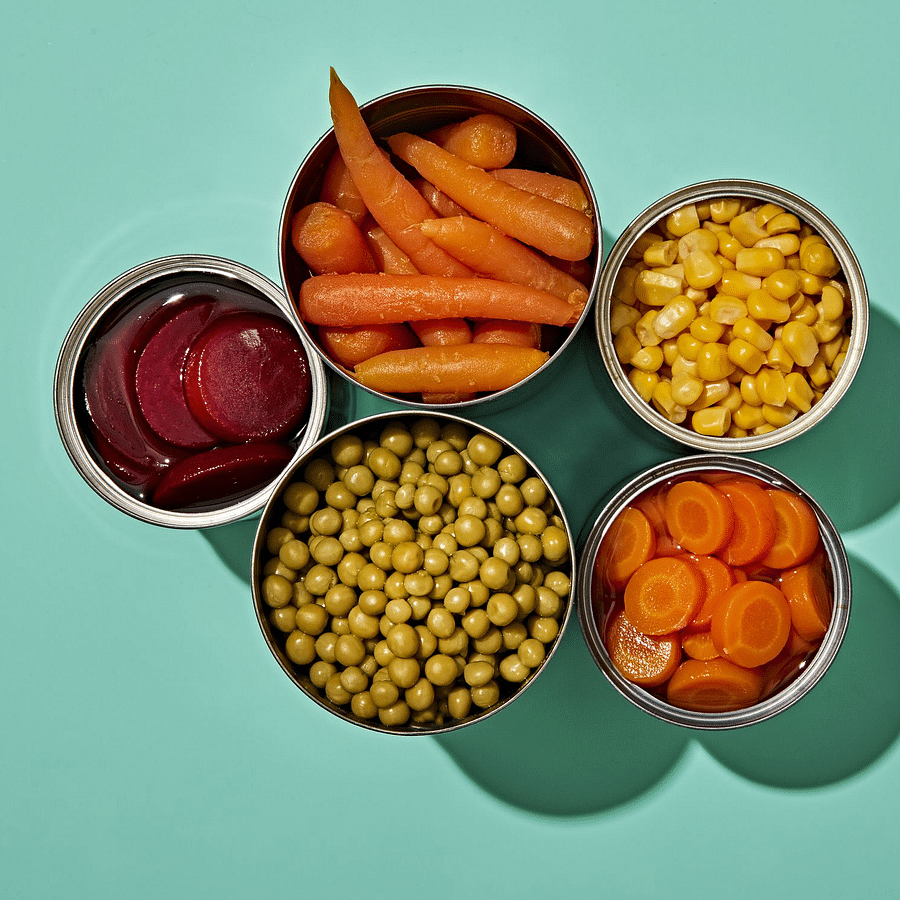
- Canned Peas: Peas are a good source of vitamins A and C, fiber, and protein. They're also packed with heart-healthy minerals like potassium and magnesium.
- Canned Artichokes: Artichokes are packed with fiber, vitamin C, and antioxidants. They're a great option for heart health and digestion.
- Canned Olives: Olives are rich in heart-healthy fats and antioxidants. They're also a good source of iron and vitamin E.
- Canned Chickpeas: Also known as garbanzo beans, chickpeas are packed with fiber, protein, and essential nutrients like manganese and folate. They can help manage weight and support heart health.
Create Magic in the Kitchen with Canned Foods 🍽️
Now that we've covered the healthiest canned foods, let's dive into how to incorporate these into a weekly meal plan. This guide will provide potential recipes and portion sizes.
Crafting a Healthy Weekly Meal Plan with Canned Foods
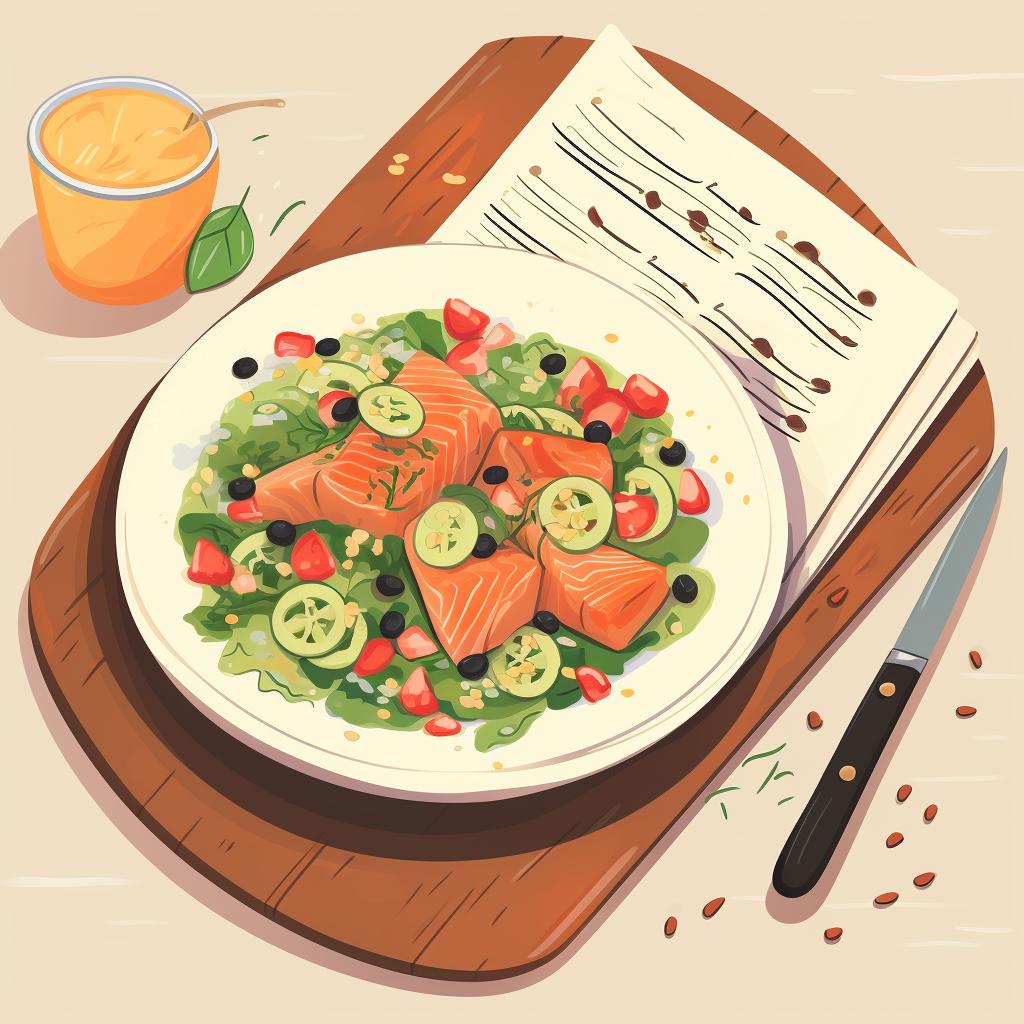
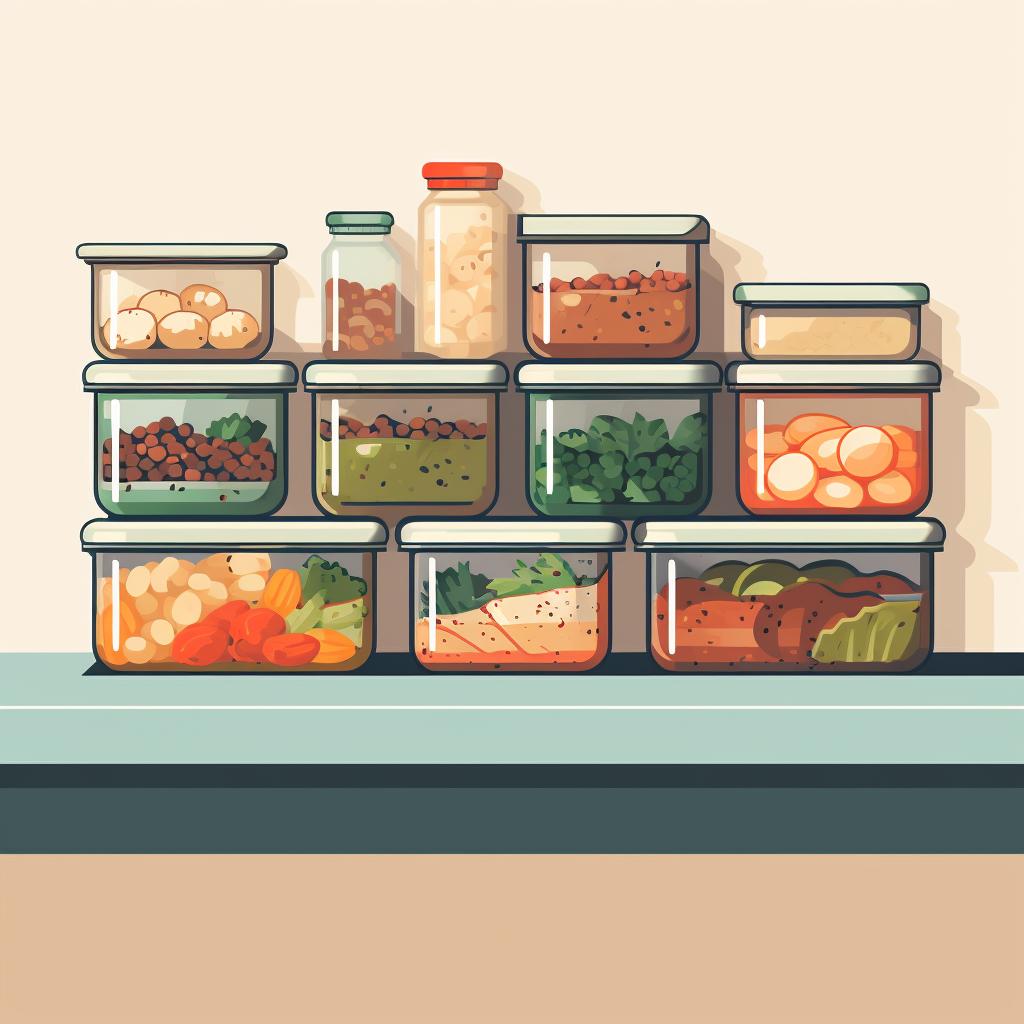

Learn more about Crafting a Healthy Weekly Meal Plan with Canned Foods 🥦🥫 or discover other Extreme Health USA guides.
With this guide, you're well-equipped to create a healthy and varied meal plan using canned foods. Now, let's look at a specific recipe to get you started.
Healthy Canned Foods Stir-fry
You will need:
 1 can of chickpeas
 1 can of sweet corn
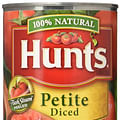 1 can of diced tomatoes
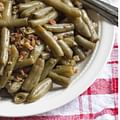 1 can of green beans
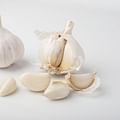 2 cloves of garlic
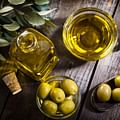 1 tablespoon of olive oil
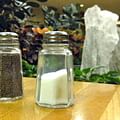 Salt and pepper to taste
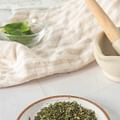 1 teaspoon of dried basil
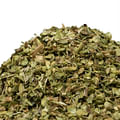 1 teaspoon of dried oregano
Instructions
- Start by draining and rinsing the canned chickpeas, sweet corn, diced tomatoes, and green beans.
- Peel and finely chop the garlic cloves.
- Heat the olive oil in a large pan over medium heat.
- Add the chopped garlic to the pan and sauté until fragrant.
- Add the drained canned vegetables to the pan.
- Season with salt, pepper, dried basil, and oregano.
- Stir well to combine and cook for about 10 minutes, until the vegetables are heated through.
Notes
Feel free to add other canned vegetables of your choice to this recipe. Also, you can serve this stir-fry over cooked quinoa or brown rice for a complete meal.
Learn more about 🥦 Healthy Canned Foods Stir-fry Recipe 🍲 or discover other Extreme Health USA recipes.
Shopping Smart: Your Guide to Choosing the Best Canned Foods 🛒
So, there you have it; your ultimate guide to choosing the most nutritious canned foods for a balanced diet. Remember, your healthy eating journey doesn't end here. Continue to explore, experiment, and most importantly, enjoy the process. With every new can you pop open, you are taking another step towards better health.
Perhaps you're wondering where to go from here? Why not take this newfound knowledge on a test run? Visit your local health-focused grocery store and navigate those aisles with confidence, knowing you're making the best choices for your health.
And remember, while canned foods can be a fantastic addition to your diet, they're just one piece of the nutrition puzzle. For more inspiration on healthy eating, check out our guide on maintaining a nutritious diet without cooking or get some tips on serving healthy food that tastes great. Happy, healthy eating!
Healthy Canned Foods Quiz
Test your knowledge about canned foods and their health benefits!
Learn more about 🥫 Healthy Canned Foods Quiz: Test Your Knowledge 🥫 or discover other Extreme Health USA quizzes.
Busting Myths: Common Questions about Canned Foods Answered 🧐
We understand that you may have some questions about canned foods. To help you out, we've compiled a list of frequently asked questions and provided detailed answers.
We hope this FAQ section has cleared up any doubts you may have had about canned foods. Remember, they can be a healthy and convenient addition to your diet when chosen and used correctly.

No comments yet. Be the first to share your thoughts!