
A Tale of Two Meats: Halal and Regular 🥩
Embarking on a culinary journey, we're delving into the world of meat, specifically Halal and Regular meat. What's the difference, you ask? Well, it's all in the preparation and the principles that guide it. Halal meat is a product of a specific religious ritual in Islam, where the animal is slaughtered under strict guidelines to be considered permissible or 'Halal'. On the other hand, regular meat doesn't follow these religious guidelines and can be sourced from a variety of animals, prepared in numerous ways.
But here's the kicker - could there be a difference in the health benefits between these two types of meat? Could your choice between halal meat vs regular meat impact your health and nutritional intake? Let's slice into the facts and carve out the truth in this comprehensive health guide on halal food and regular meat.
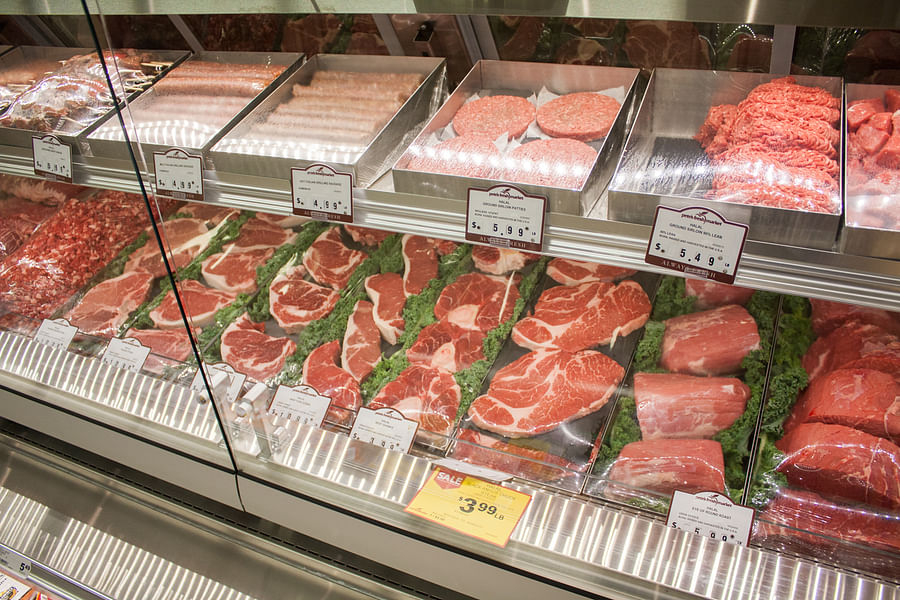
Decoding Halal Meat: What Makes it Unique? 🕌
Halal meat, a term that may sound exotic to some, holds a significant place in the Islamic faith. The word 'Halal' means 'permissible' in Arabic, and it refers to a set of dietary laws that govern how animals should be treated and slaughtered for consumption. This process, which is deeply rooted in respect for the creature's life, is believed to imbue the meat with a unique purity.
So, what's the difference between halal meat and regular meat? The distinction lies in the preparation. Halal meat is derived from animals that are well-fed, healthy, and slaughtered in a specific way that reduces pain and distress. This contrasts with regular meat, which may come from animals subjected to diverse farming and slaughtering practices.
From a health perspective, some argue that halal meat is leaner and contains fewer harmful substances due to the rigorous preparation standards. However, the nutritional value of halal meat can vary, just like regular meat, depending on factors like the animal's diet and lifestyle. Check out our guide to understand more about the nutritional differences between various diets.
To better understand the process of Halal meat preparation, let's take a look at this informative video that takes us through the journey of Halal meat from farm to table.
Now that we have a better understanding of the Halal meat preparation process, let's delve into the potential health benefits of consuming Halal meat.
Is Halal Meat Your Health's Secret Weapon? 💪
Ever wondered if the secret to better health could be lurking in your butcher's shop? What if we told you that the halal meat health benefits could be a game changer for your wellbeing? Halal meat, prepared according to Islamic law, is often leaner, with less visible fat, potentially leading to lower blood pressure and cholesterol levels.
But that's not all. The nutritional value of halal meat often surpasses that of regular meat, thanks to the dietary regulations that govern its preparation. The dietary differences halal meat offers, could make it a compelling choice for those seeking a healthier lifestyle.
So, what's the difference between halal meat and regular meat? It's not just about religious observance, but also about mindful consumption. Could the health guide halal food provides be the missing link in your diet? Only one way to find out!
Nutritional Comparison Between Halal and Regular Meat
Regular Meat Uncovered: What's On Your Plate? 🍽️
When we talk about regular meat, we're referring to the meat that is widely available and consumed, without specific religious or dietary restrictions. This includes beef, pork, chicken, and lamb, among others. The preparation methods can vary significantly, from grilling, roasting, and frying, to more complex techniques like smoking or curing.
Regular meat is a rich source of essential nutrients, including protein, iron, and vitamins like B12. However, the nutritional content can differ based on the animal's diet, age, breed, and the cut of the meat. For instance, grass-fed beef is known to have higher levels of omega-3 fatty acids compared to grain-fed counterparts. Is regular meat healthier than its alternatives?
But what about the difference between halal meat and regular meat? Does the halal meat meaning extend to its nutritional profile? And how does the dietary differences halal meat brings affect its health guide? Let's delve into the halal meat health benefits next.
Now that we have a good understanding of what regular meat is, let's take a closer look at how it's prepared. The following video gives us an insightful look into a modern meat processing factory, showcasing the process of regular meat preparation from start to finish.
Having seen the process of regular meat preparation, it's clear that it involves a series of intricate steps to ensure the quality and safety of the meat. Next, we'll delve into the health benefits associated with regular meat consumption.
Unleashing the Health Perks of Regular Meat 🏋️♀️
Regular meat, a staple in many diets, is a powerhouse of nutrients. It's a rich source of high-quality protein, crucial for building and maintaining muscles. Not to mention, it's packed with vitamin B12, a nutrient that helps keep the body's nerve and blood cells healthy, and iron, a mineral essential for creating energy from nutrients.
Furthermore, regular meat provides us with zinc, which supports the immune system, and selenium, a powerful antioxidant. But what does this mean in the context of other diets? How does it compare to the vegan alternatives or the battle between tempeh and tofu?
Well, the answer lies not just in the nutritional value but also in the way it's sourced and prepared. So, let's delve deeper into the difference between halal meat and regular meat and what it means for your health.
Nutritional Comparison Between Halal and Regular Meat
Halal vs Regular Meat: Who Wins the Health Showdown? 🏆
Let's delve into the meat of the matter, shall we? When it comes to the health implications and nutritional content, both halal and regular meat have their unique perks. Halal meat, for instance, is often associated with a cleaner, more humane slaughtering process, potentially leading to fewer bacteria and a fresher product. This could be a significant factor for those concerned about food safety and animal welfare. Our guide to understanding healthy eating further explains how food sourcing impacts nutrition.
On the other hand, regular meat provides a wide variety of cuts and types, each with its own nutritional profile. For instance, grass-fed beef is rich in omega-3 fatty acids and vitamins A and E. However, it's important to consider factors such as the animal's diet and lifestyle, which can significantly affect the meat's nutritional value. Curious about how diet types compare? Check out our discussion on various diets.
In essence, the choice between halal and regular meat depends on your personal dietary preferences, health goals, and ethical considerations. The key is to make informed decisions. So, are you ready to explore more about halal and regular meat and their health benefits?
Comparison of Halal and Regular Meat: Nutritional Values and Health Benefits
Now that we have a better understanding of the health implications and nutritional content of both Halal and Regular meat, let's dive deeper into a side-by-side comparison to help you make an informed decision.
| Halal Meat | Regular Meat | |
|---|---|---|
| Protein Content | High 🥩 | High 🥩 |
| Fat Content | Generally lower due to blood drainage 🩸 | Varies, can be higher 🍔 |
| Cholesterol | Lower due to blood drainage 🩸 | Can be higher 🍔 |
| Iron | High 🥩 | High 🥩 |
| Vitamins | Depends on diet of the animal 🐄 | Depends on diet of the animal 🐄 |
| Health Benefits | May contribute to lower blood pressure, less fat intake 🏋️♂️ | High in protein, iron, and certain vitamins 💪 |
| Ethical Considerations | Animal welfare is a key principle in Halal preparation 🐄💚 | Varies greatly depending on source and method of preparation 🐄💔 |
| Religious Significance | Significant for practicing Muslims 🕌 | None |
This comparison should help clarify some of the health and nutritional differences between Halal and Regular meat. However, there are still many myths and misconceptions surrounding these two types of meat, which we will address in the next section.
Busting Myths: Halal and Regular Meat Under the Microscope 🔬
Now, let's shine a light on some common myths and misconceptions around Halal and Regular meat. Have you ever heard the claim that Halal meat is healthier due to the blood drainage process? While it's true that the Halal method of slaughter involves draining most of the blood, this doesn't necessarily translate into a significant health advantage. According to scientific research, the nutritional value of Halal meat is essentially similar to that of Regular meat.
Another common misconception is that Regular meat is more prone to contamination. However, the risk of contamination is more about the handling and storage of the meat rather than the method of slaughter. Both Halal and Regular meat can be safe and nutritious if sourced from reputable suppliers and handled correctly. Want to dive deeper into the science of these dietary differences? Check out our FAQ for more insights.
So, what's the takeaway? Whether you choose Halal or Regular meat, what matters most is the quality of the meat and your overall diet. Remember, a balanced diet is the cornerstone of good health. Need help figuring out what that looks like for you? Our health guide can help you navigate your nutritional journey.
We understand that you might still have some questions about Halal and Regular meat. Let's address some of the most frequently asked questions:
We hope these answers have helped clarify some of the differences and similarities between Halal and Regular meat. Remember, the most important thing is to make informed decisions about your diet based on your individual health needs and beliefs.
Final Thoughts: Making the Cut in Your Meat Choices 🤔
As we wrap up this in-depth journey into the world of halal meat and regular meat, we hope you've found the nutritional compass you needed. The path between halal and regular isn't a forked road diverging in a yellow wood, but a spectrum of health benefits and nutritional values, each with its own merits. Our exploration into the halal meat difference isn't a verdict, but an invitation to informed choices.
Remember the halal meat health benefits we discussed? Or the protein-packed advantage of regular meat? It's not a culinary courtroom but a buffet of options. As with any food, balance is key. Is the meat on your plate just about taste, or is it a story of faith, culture, health, and environment too?
Armed with this knowledge, your next trip to the butcher could be more than a grocery run. It could be a step towards a healthier, more conscious lifestyle. After all, an enlightened eater is the true masterchef, right? Now, would you consider changing your meat preference? Let's find out.
After digesting all this meaty knowledge, would you consider changing your meat preference?
Having understood the health differences between Halal and Regular meat, are you considering a switch in your meat consumption habits?



No comments yet. Be the first to share your thoughts!